Natural Hydration: How Cold Infusions Care for Your Body in Summer
Almate
June 17th, 2026
No Comments
6 mins read
Share this article
From Antiquity to the Fridge: Why Infusions Hydrate So Well
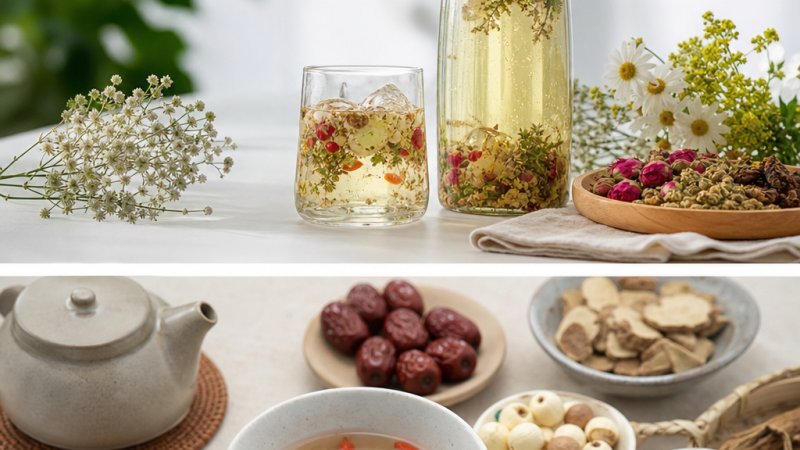
Since ancient times, infusions have been a popular way to obtain the benefits of medicinal plants. Civilisations such as the Chinese and Egyptian used herbs in hot water both to heal and to refresh. In European cultures, infusions were an integral part of traditional medicine, used by herbalists such as Nicholas Culpeper and Hildegard von Bingen. The tradition of using plants such as mint and hibiscus lies not only in their pleasant flavour, but also in their refreshing and beneficial properties for health.
In warm regions, cold infusions offer an effective way to stay hydrated without resorting to sugary or carbonated drinks. These preparations have been valued in various medical traditions, such as Ayurveda and Chinese medicine, for their ability to cool the body during the hot summer months. Today, scientific evidence supports many of these traditional uses, which promotes their global popularity and acceptance.
Menthol, Anthocyanins and Apigenin: What Every Sip Provides in Summer
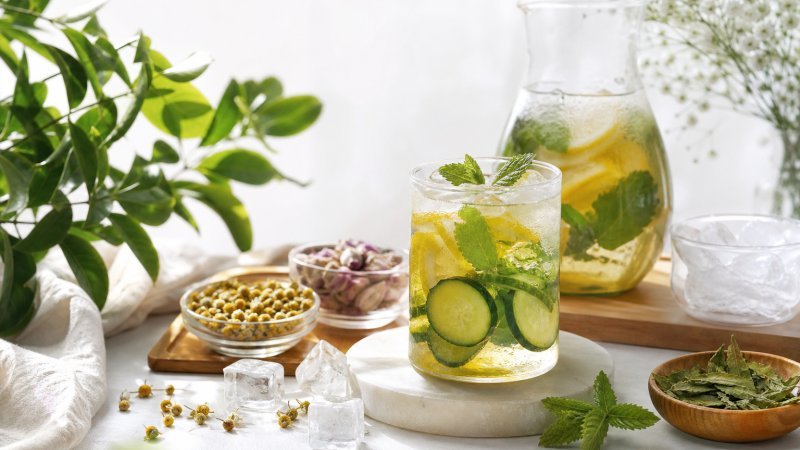
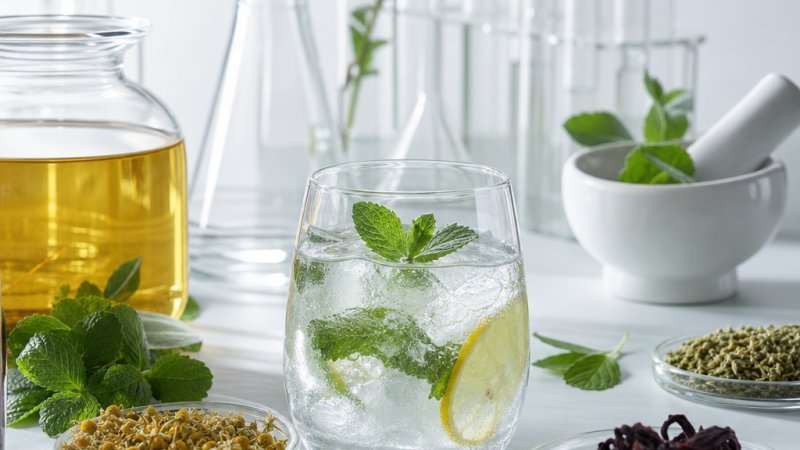
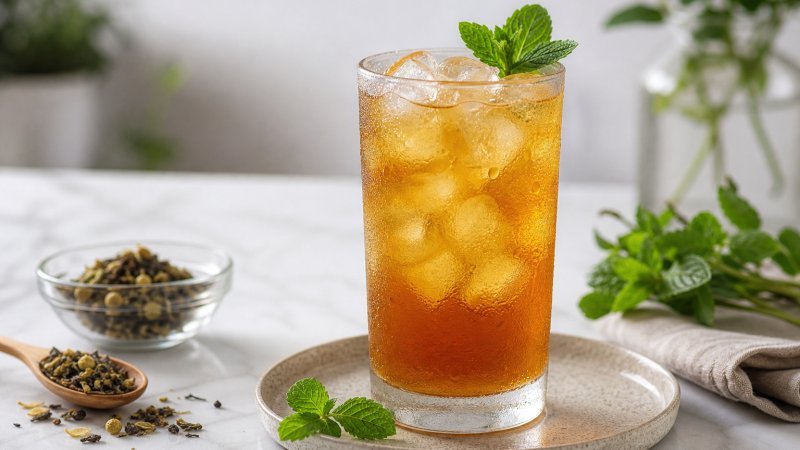
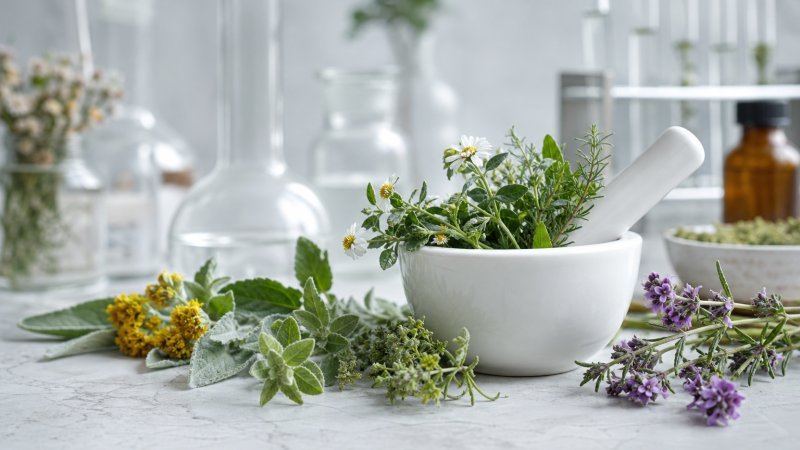
Cold infusions often contain natural ingredients such as mint, chamomile, hibiscus and ginger. Mint is rich in menthol, a substance that provides a sensation of freshness by activating in the mucous membranes. Hibiscus, on the other hand, is full of antioxidants such as polyphenols, which help combat oxidative stress in the body.
Chamomile contains apigenin, a compound that promotes relaxation and can help reduce anxiety. Ginger, known for its gingerol, is recognised for its anti-inflammatory and digestive properties. These plants, when infused in cold water, release their active components, offering a refreshing drink that not only hydrates, but also provides specific health benefits.
The Science of Herbal Hydration: What Clinical Trials Demonstrate
Numerous studies support the benefits of infusions. A study published in the “Journal of Nutrition” (2019) found that hibiscus can reduce blood pressure in adults by inhibiting an enzyme that affects blood vessel constriction. Additionally, a systematic review in the Cochrane Library (2018) highlighted the effectiveness of chamomile in relieving mild anxiety and stress.
Mint has also been the subject of scientific studies. An article in “Phytotherapy Research” (2020) showed that menthol has thermoregulatory properties, making mint infusions particularly refreshing during hot weather. These findings confirm that cold infusions are not only traditional but also scientifically backed for their health benefits.
Your Perfect Cold Infusion: Techniques, Times and Proportions
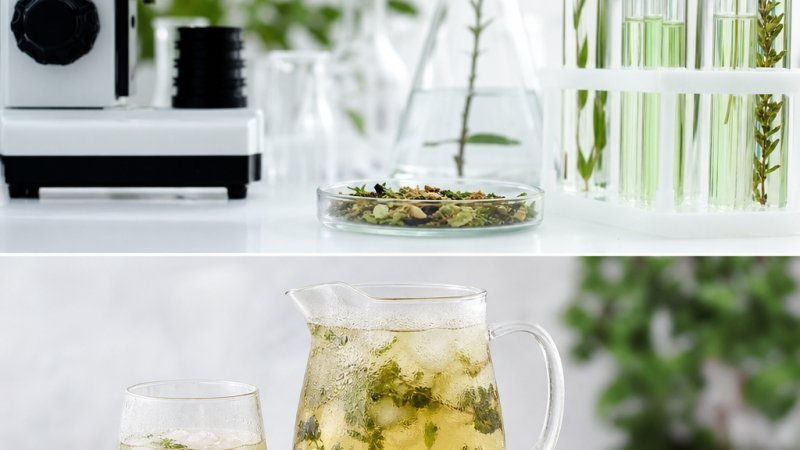
Preparing cold infusions is simple and accessible. For a basic preparation, place two tablespoons of dried herbs or a tea bag in one litre of cold water. Leave it to rest in the fridge for at least 4 hours or overnight for a more intense flavour. You can sweeten it lightly with honey or add slices of citrus fruits to increase the antioxidant benefits.
It is recommended to consume these infusions two to three times a day to maintain hydration. Hibiscus and mint infusions are especially refreshing and can be consumed daily without concerns. However, it is always advisable to ensure that the herbs used are of quality and preferably organically grown.
Hibiscus and Blood Pressure: What You Need to Know Before Drinking
Although infusions are generally safe, some people need to take certain precautions. For example, hibiscus can lower blood pressure, so those who already have hypotension should consume it with caution. Pregnant women should avoid liquorice, which is sometimes included in blends, due to its possible hormonal effects.
It is always better to consult a health professional before incorporating new herbs into your diet, especially if you are taking medications or have pre-existing health conditions. Let us remember that each organism is different and may react in a unique way to medicinal plants.
From Agua de Jamaica to Ayurveda: How the World Refreshes with Herbs
In Ayurveda, mint infusions are essential for balancing the pitta dosha, which is associated with heat. In Tibb al-Nabawi, chamomile and ginger are valued for their digestive and calming properties. Mexican cultures have also used hibiscus, known as “agua de jamaica”, for its ability to cool and refresh the body.
These traditional practices remain alive and are combined with modern discoveries to maintain their relevance. Throughout the world, infusions not only have a functional purpose, but also a cherished place in rituals and daily customs, symbolising the connection between nature and human wellbeing.
Frequently Asked Questions about Cold Infusions
How long should I leave the infusion to cool in the fridge? Generally, between 4 and 8 hours. This helps the herbs release their active components sufficiently.
Can I sweeten the cold infusion? Yes, you can sweeten it with a little honey, but avoid excess to maintain its healthy benefits.
Which herbs are best for cold infusions? Mint, hibiscus, chamomile and ginger are popular and beneficial for cold infusions.
Can cold infusions replace water? They should not completely replace water, but they are an excellent option to complement daily hydration.
Do cold infusions have fewer benefits than hot ones? Not necessarily. Some herbs release beneficial compounds both cold and hot.
Conclusion
Cold infusions are a delicious and healthy way to stay hydrated during summer. They combine the power of nature with modern science, providing benefits that go beyond quenching thirst. Remember that it is always advisable to consult a health professional before making significant changes to your diet. Enjoy these refreshing infusions and discover how they can improve your daily wellbeing.
References and Further Reading
McKay DL, Chen CO, Saltzman E, Blumberg JB (2010). Hibiscus sabdariffa L. tea (tisane) lowers blood pressure in prehypertensive and mildly hypertensive adults. J Nutr. 140(2):298-303. DOI: 10.3945/jn.109.115097
Srivastava JK, Shankar E, Gupta S (2010). Chamomile: A herbal medicine of the past with bright future. Mol Med Rep. 3(6):895-901. DOI: 10.3892/mmr.2010.377
Menthol can be safely applied to improve thermal perception during physical exercise: a meta-analysis of randomized controlled trials (2020). Sci Rep. 10:13783. DOI: 10.1038/s41598-020-70499-9
Mashhadi NS, et al. (2013). Anti-oxidative and anti-inflammatory effects of ginger in health and physical activity: review of current evidence. Int J Prev Med. 4(Suppl 1):S36-42. PMID: 23717767
Learn how to make a functional granita tea at home. Discover recipes, health benefits, preparation tips and cultural variants for this refreshing summer drink.
Can you drink tea while fasting? Discover which infusions support intermittent fasting, their scientific evidence, safety precautions and myths vs reality.
Discover lechuguilla, the strawberry tree and St John’s wort — Spanish native plants with surprising medicinal properties, scientific evidence, safety precautions and integration tips.
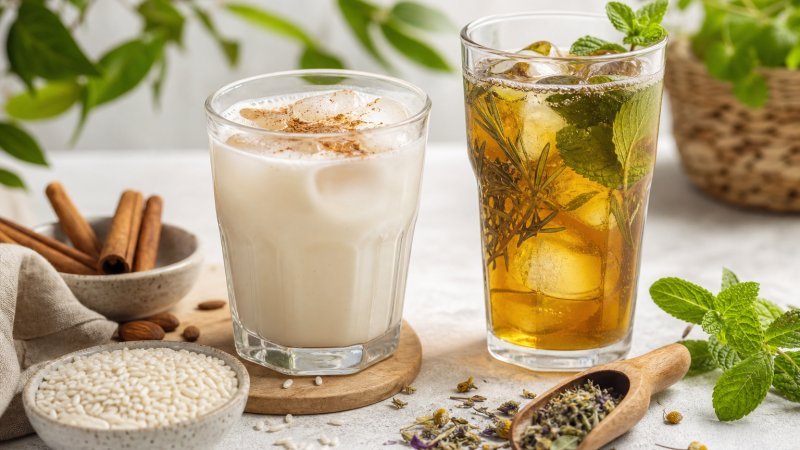
Compare traditional horchata and cold infusions in the battle of Spanish natural drinks. Nutritional profiles, science, preparation tips and cultural roots explored.
Make tea the star of your Saturday wellbeing ritual. Antioxidants, L-theanine, preparation tips, cultural traditions and science-backed benefits for a mindful weekend.
Discover how lavender, passionflower and valerian improve sleep quality on hot nights. Scientific evidence, preparation tips, safety precautions and cultural traditions.
Build your perfect travel infusion kit for summer. Digestive, relaxing and refreshing teas — scientific evidence, preparation tips, cultural traditions and practical advice.
Explore adaptogen teas — ginseng, ashwagandha, rhodiola — their active compounds, scientific evidence, preparation tips and cultural origins. A guide to choosing well.
We use our own cookies to keep the shop working (language, basket and checkout), to measure anonymously how the site is used, and to know which channel brought you here. We do not use advertising or profiling, and we do not share this data with third parties.
Functional
Always active
This technical storage is strictly necessary for the site to work: keeping your language, your basket and your checkout session. Without it you cannot complete an order.
Preferences
The technical storage or access is necessary for the legitimate purpose of storing preferences that are not requested by the subscriber or user.
Statistics
Our own anonymous measurement of page views and visits, so we can understand which content is useful. It is not shared with anyone and is not used to build profiles.The technical storage or access that is used exclusively for anonymous statistical purposes. Without a subpoena, voluntary compliance on the part of your Internet Service Provider, or additional records from a third party, information stored or retrieved for this purpose alone cannot usually be used to identify you.
Order attribution
Records which channel brought you to the shop (a search engine, a link or a campaign) so an order can be attributed to its source. It is not used for advertising or commercial profiling.