Floral Teas with Purpose: Chamomile, Linden and Orange Blossom for the Heat
Almate
June 17th, 2026
No Comments
5 mins read
Share this article
Chamomile, Linden and Orange Blossom: Three Flowers with Centuries of Calming History
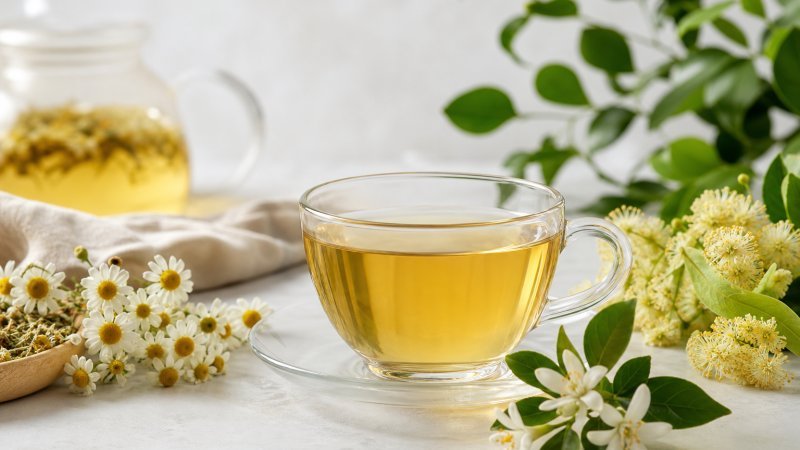
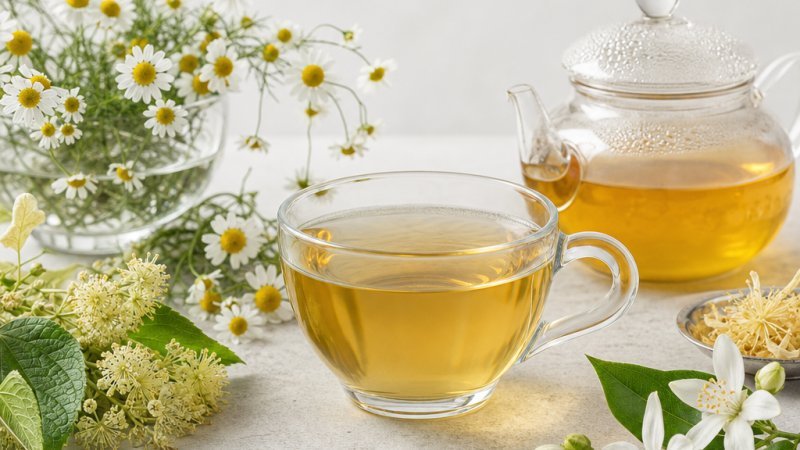
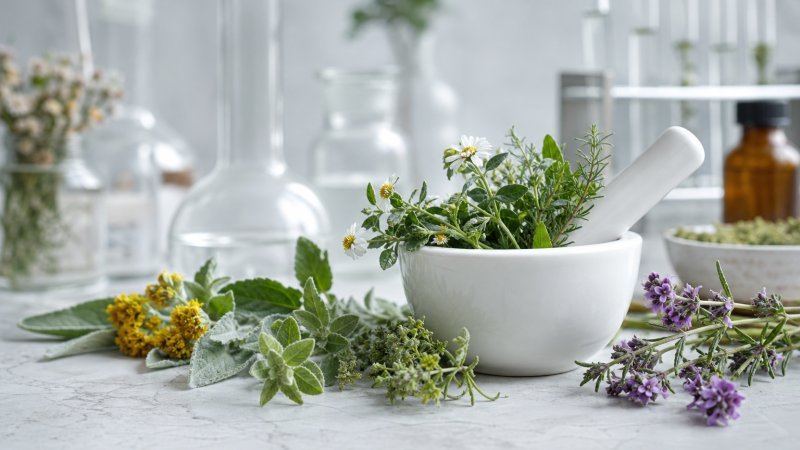
Floral teas have been part of human culture for thousands of years. Chamomile, linden and orange blossom are especially valued for their calming and refreshing properties. In traditional European medicine, chamomile was a popular remedy for calming the nerves and relieving insomnia. Similarly, linden, derived from the lime tree, appears in ancient texts as a solution for stress and anxiety. In Mediterranean culture, orange blossom is used for its sweet aroma and its ability to refresh on hot days.
In classical Islamic medicine, Ibn Sina (Avicenna) described the beneficial properties of these flowers in his work “The Canon of Medicine”. Modern medicine also recognises their calming effects and they have been integrated into contemporary phytotherapeutic practices. Moreover, these plants form part of rituals and ceremonies in various cultures, where their use transcends the merely medicinal and is considered part of emotional and spiritual wellbeing.
The Chemistry of Calm: Apigenin, Tiliroside and Orange Blossom Oil
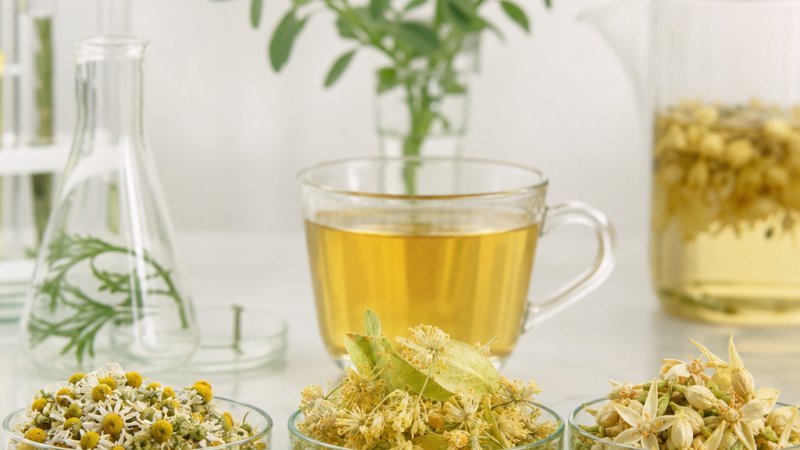
Chamomile contains compounds called flavonoids, such as apigenin, which help calm the nervous system. These compounds have anti-inflammatory and antioxidant properties. Linden, for its part, contains tiliroside, which can induce a mild relaxing effect helping to reduce tension and nervousness.
Orange blossom possesses essential oils such as neroli, known for its anti-stress properties. These oils work by activating receptors in the brain that promote relaxation and reduce anxiety. Together, these natural components collaborate to provide a calming experience, making these teas a popular option during periods of heat or stress.
What Science Confirms about These Medicinal Flowers
Different studies have examined the efficacy of these plants. Kennedy et al. (2010) found that chamomile can improve sleep and reduce anxiety in adults. Published in the journal “Phytotherapy Research”, this study showed a significant decrease in anxiety symptoms. An analysis of linden in the “Journal of Ethnopharmacology” revealed its potential to relieve stress thanks to its active compounds that affect the central nervous system.
Orange blossom has also been the subject of studies; Chen et al. (2020), in “Journal of Traditional and Complementary Medicine”, demonstrated its relaxing effects due to its essential oil, which helps reduce stress. These studies underline the scientific validity of the traditional use of these floral teas, supporting their efficacy in relaxation and stress management.
When and How to Drink Each Tea on Hot Days
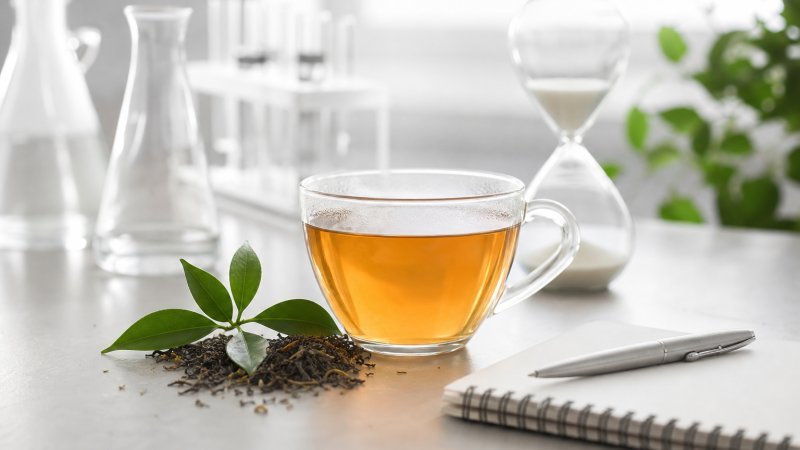
To make the most of the benefits of these teas, it is recommended to prepare a cup with 1–2 teaspoons of dried flowers per cup of hot water. It is ideal to leave them to steep for 5–10 minutes. Drinking this tea 1–2 times a day is a safe practice for adults.
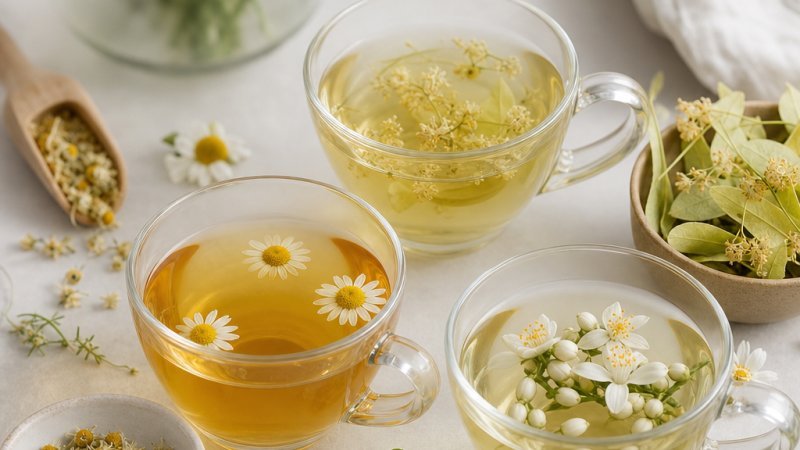
Chamomile can be enjoyed before bed to induce rest. Linden tea is perfect in moments of stress or after a long day. Orange blossom tea, refreshing and aromatic, is wonderful for an afternoon break. According to the EMA monograph, these teas are considered safe at the recommended doses.
Who Should Take Care: Allergies, Medications and Pregnancy
Although these teas are generally safe, some precautions must be taken in certain cases. Those with allergies to flowers of the Asteraceae family should avoid chamomile. People with low blood pressure should moderate their consumption of linden.
It is important to consult a doctor if you are pregnant or breastfeeding before consuming these teas. Those taking sedative medications should speak with a health professional to avoid unwanted interactions.
From the Mediterranean to Morocco: Orange Blossom in Wedding Rituals
In Morocco and other Mediterranean cultures, orange blossom tea is part of wedding ceremonies, symbolising purity and love. In Tibb al-Nabawi, chamomile flowers are mentioned for their calming effects appreciated in situations of tension.
Linden, traditionally used in central Europe, is often consumed in moments of reflection and community rest. These flowers are not only appreciated for their health benefits, but also for their role in cultural and emotional connection in communities around the world.
Frequently Asked Questions
Can I drink these teas at any time of day?
Yes, you can enjoy them at any time, although some find chamomile is best before bedtime.
Do these teas have side effects?
For most people they are safe, but they may cause allergies in people sensitive to certain flowers.
Can children consume these teas?
Consult a paediatrician, but generally, in small doses, they are safe for older children.
Can these teas interact with medications?
They could interact with sedative medications, so it is best to consult a doctor.
Where can I buy these flowers?
They are available in health food shops, herbalists and online.
Conclusion
Floral teas of chamomile, linden and orange blossom offer a refreshing path to calm and wellbeing. They are valued both for their health benefits and for their rich cultural history. Remember that it is always a good idea to consult a health professional before introducing new practices into your daily routine.
References and Further Reading
Srivastava JK, Shankar E, Gupta S (2010). Chamomile: A herbal medicine of the past with bright future. Mol Med Rep. 3(6):895-901. DOI: 10.3892/mmr.2010.377
Amsterdam JD, et al. (2009). A randomized, double-blind, placebo-controlled trial of oral Matricaria recutita (chamomile) extract therapy for generalized anxiety disorder. J Clin Psychopharmacol. 29(4):378-82. DOI: 10.1097/JCP.0b013e3181ac935c
EMA HMPC (2012). Community herbal monograph on Tilia cordata Mill., Tilia platyphyllos Scop., Tilia × vulgaris Heyne or their mixtures, flos. European Medicines Agency. EMA Monograph (Tila)
Mannucci C, et al. (2018). Clinical pharmacology of Citrus aurantium and Citrus sinensis for the treatment of anxiety. Evid Based Complement Alternat Med. 2018:3624094. DOI: 10.1155/2018/3624094
Jäger AK, Saaby L (2011). Flavonoids and the central nervous system. Molecules. 16(2):1471-85. DOI: 10.3390/molecules16021471
Learn how to make a functional granita tea at home. Discover recipes, health benefits, preparation tips and cultural variants for this refreshing summer drink.
Can you drink tea while fasting? Discover which infusions support intermittent fasting, their scientific evidence, safety precautions and myths vs reality.
Discover lechuguilla, the strawberry tree and St John’s wort — Spanish native plants with surprising medicinal properties, scientific evidence, safety precautions and integration tips.
Compare traditional horchata and cold infusions in the battle of Spanish natural drinks. Nutritional profiles, science, preparation tips and cultural roots explored.
Make tea the star of your Saturday wellbeing ritual. Antioxidants, L-theanine, preparation tips, cultural traditions and science-backed benefits for a mindful weekend.
Discover how lavender, passionflower and valerian improve sleep quality on hot nights. Scientific evidence, preparation tips, safety precautions and cultural traditions.
Build your perfect travel infusion kit for summer. Digestive, relaxing and refreshing teas — scientific evidence, preparation tips, cultural traditions and practical advice.
Explore adaptogen teas — ginseng, ashwagandha, rhodiola — their active compounds, scientific evidence, preparation tips and cultural origins. A guide to choosing well.
We use our own cookies to keep the shop working (language, basket and checkout), to measure anonymously how the site is used, and to know which channel brought you here. We do not use advertising or profiling, and we do not share this data with third parties.
Functional
Always active
This technical storage is strictly necessary for the site to work: keeping your language, your basket and your checkout session. Without it you cannot complete an order.
Preferences
The technical storage or access is necessary for the legitimate purpose of storing preferences that are not requested by the subscriber or user.
Statistics
Our own anonymous measurement of page views and visits, so we can understand which content is useful. It is not shared with anyone and is not used to build profiles.The technical storage or access that is used exclusively for anonymous statistical purposes. Without a subpoena, voluntary compliance on the part of your Internet Service Provider, or additional records from a third party, information stored or retrieved for this purpose alone cannot usually be used to identify you.
Order attribution
Records which channel brought you to the shop (a search engine, a link or a campaign) so an order can be attributed to its source. It is not used for advertising or commercial profiling.