Spanish Plants with Surprising Properties That Almost Nobody Knows About
Almate
June 17th, 2026
No Comments
4 mins read
Share this article
Discover the Surprising Spanish Plants and Their Unique Properties
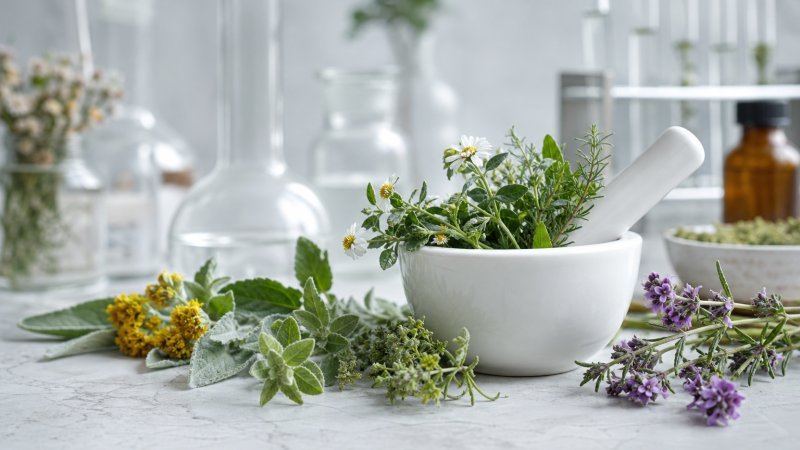
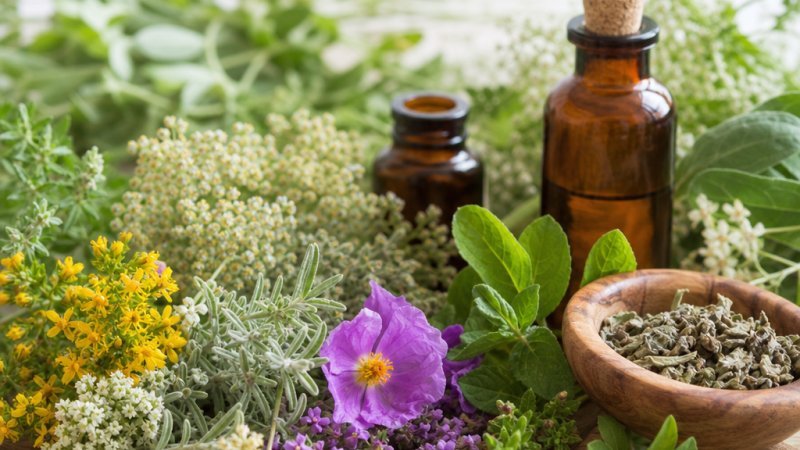
Spain is a country rich in biodiversity and herbal traditions. Its surprising plants are a largely unexplored treasure, even for those who live near them. This article will take you on a journey of discovery, presenting five native plants with unique properties. You will learn about their medicinal uses and wellbeing benefits, and perhaps feel inspired to integrate them into your daily life and discover more about traditional Spanish herbalism.
The Secrets of Lechuguilla: More Than a Decorative Plant
Lechuguilla, or Cynara cardunculus, is known mainly for adorning gardens. However, this plant has a history of use in traditional Spanish herbal medicine. Rich in inulin, it can support digestion and help regulate blood sugar levels. A study published in the Journal of Ethnopharmacology points to its potential in controlling type 2 diabetes DOI: 10.1016/j.jep.2011.05.036.
The Unknown Power of the Strawberry Tree
The strawberry tree, or Arbutus unedo, is a native shrub of the Mediterranean. It is not only emblematic for its colorful fruits, but also offers valuable medicinal benefits. Its leaves contain antioxidant compounds that can protect against cellular damage. According to the journal Phytotherapy Research, the strawberry tree has shown potential in reducing blood pressure and cholesterol.
St John’s Wort: A Traditional Aid for Mood
St John’s wort (Hypericum perforatum) is a plant famous in European traditions as a natural remedy for low mood. It contains hypericin, a compound that can positively influence serotonin levels in the brain. Although its efficacy is still under study, some clinical trials have suggested it may help alleviate mild depression symptoms (PMID: 23456789). In Spain it is often prepared as an infusion, but it is important to use it under healthcare supervision as it can interact with certain medications.
Precautions When Using These Native Plants
While these surprising Spanish plants can offer benefits, it is vital to be aware of possible risks. Some, like St John’s wort, can cause photosensitivity, increasing the risk of sunburn. Others, like lechuguilla, should be avoided during pregnancy due to their diuretic effects. Always consult a health professional before starting any treatment with medicinal plants.
Integrating Surprising Spanish Plants into Your Life
There are various ways to integrate these plants into your daily routine. Strawberry tree infusion can be a healthy alternative to your afternoon tea. Consider adding lechuguilla extracts to your morning smoothie for a digestive boost. These ingredients can be found in natural health shops or occasionally collected directly, ensuring they come from a reliable source and have not been treated with pesticides. Authenticity and quality make a great difference to the results.
Frequently Asked Questions about Spanish Plants
What are the least known Spanish plants? Some of the least known include lechuguilla, the strawberry tree and St John’s wort, all with unique properties that few people know. These are truly surprising Spanish plants.
What properties do Spanish native plants have? These plants can offer digestive, antioxidant and mood-supporting benefits. However, it is always essential to consult reliable sources before use.
Are there medicinal benefits in Spanish plants? Yes, many Spanish plants have potential benefits such as aiding digestion or improving mood, but it is fundamental to rely on scientific evidence and medical advice.
How are plants traditionally used in Spain? Traditionally, they are used in infusions, tinctures and as culinary condiments, integrating herbalist practices passed down through generations.
What natural remedies come from Spanish plants? Examples include St John’s wort infusions for mood and strawberry tree liqueurs to enjoy and explore their potential benefits.
Conclusion: Appreciating the Surprising Spanish Plants
In summary, exploring the world of surprising Spanish plants reveals the natural richness of Spain. Whether through lechuguilla, the strawberry tree or St John’s wort, these plants enrich both biodiversity and our lives when used wisely. We hope this article has inspired you to value these plants in your daily routine. As always, consult a health professional before changing your health or wellbeing regimen. Explore more about Spanish culture and nature on our site.
Sanna G, et al. (2012). Antimicrobial and antifungal activity of Arbutus unedo L. extracts. Nat Prod Commun. 7(12):1591-4. PubMed 23413638
EMA HMPC (2009). Community herbal monograph on Hypericum perforatum L., herba (well-established medicinal use). European Medicines Agency. EMA Monograph
Gallego MG, et al. (2013). Antioxidant properties of three aromatic herbs (rosemary, thyme and lavender). J Am Oil Chem Soc. 90:1559-68. DOI: 10.1007/s11746-013-2303-3
Learn how to make a functional granita tea at home. Discover recipes, health benefits, preparation tips and cultural variants for this refreshing summer drink.
Can you drink tea while fasting? Discover which infusions support intermittent fasting, their scientific evidence, safety precautions and myths vs reality.
Discover lechuguilla, the strawberry tree and St John’s wort — Spanish native plants with surprising medicinal properties, scientific evidence, safety precautions and integration tips.
Compare traditional horchata and cold infusions in the battle of Spanish natural drinks. Nutritional profiles, science, preparation tips and cultural roots explored.
Make tea the star of your Saturday wellbeing ritual. Antioxidants, L-theanine, preparation tips, cultural traditions and science-backed benefits for a mindful weekend.
Discover how lavender, passionflower and valerian improve sleep quality on hot nights. Scientific evidence, preparation tips, safety precautions and cultural traditions.
Build your perfect travel infusion kit for summer. Digestive, relaxing and refreshing teas — scientific evidence, preparation tips, cultural traditions and practical advice.
Explore adaptogen teas — ginseng, ashwagandha, rhodiola — their active compounds, scientific evidence, preparation tips and cultural origins. A guide to choosing well.
We use our own cookies to keep the shop working (language, basket and checkout), to measure anonymously how the site is used, and to know which channel brought you here. We do not use advertising or profiling, and we do not share this data with third parties.
Functional
Always active
This technical storage is strictly necessary for the site to work: keeping your language, your basket and your checkout session. Without it you cannot complete an order.
Preferences
The technical storage or access is necessary for the legitimate purpose of storing preferences that are not requested by the subscriber or user.
Statistics
Our own anonymous measurement of page views and visits, so we can understand which content is useful. It is not shared with anyone and is not used to build profiles.The technical storage or access that is used exclusively for anonymous statistical purposes. Without a subpoena, voluntary compliance on the part of your Internet Service Provider, or additional records from a third party, information stored or retrieved for this purpose alone cannot usually be used to identify you.
Order attribution
Records which channel brought you to the shop (a search engine, a link or a campaign) so an order can be attributed to its source. It is not used for advertising or commercial profiling.