Weekend Wellness: How Tea Can Be the Centre of Your Perfect Saturday
Almate
June 17th, 2026
No Comments
5 mins read
Share this article
Weekend Wellness: Why Dedicating a Saturday to the Tea Ritual Transforms Your Week
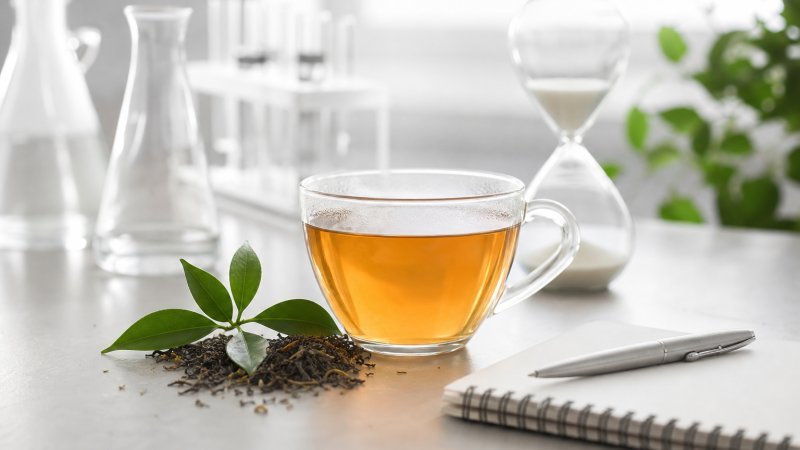
Have you considered making tea the centre of your perfect Saturday? The history of tea is fascinating, spanning centuries of use in both medicine and culture. Originating in China, tea has been appreciated for its relaxing properties and potential health benefits. According to traditional Chinese medicine, it is used to regulate digestion and improve general wellbeing. Today, science also supports various tea properties, including its antioxidant effects. Using tea as part of a wellbeing ritual not only improves your health but can transform an ordinary Saturday into a special experience.
L-Theanine, Polyphenols and Antioxidants: The Compounds that Make Tea a Wellbeing Ritual
AdvertisementYour AdSense code will appear here
Tea is rich in bioactive compounds such as polyphenols, specifically catechins and flavonoids. These substances are known for their antioxidant properties, meaning they help combat free radicals in the body that can cause cellular damage. They also contain L-theanine, an amino acid that promotes relaxation without causing drowsiness, which can be perfect for a calm Saturday afternoon.
What Science Says about Mindful Tea Consumption and Weekend Recovery
Recent studies have demonstrated various benefits of regular tea consumption. A study by Kuriyama et al. (2006) published in the American Journal of Clinical Nutrition found that green tea consumption is associated with a lower risk of heart disease. Additionally, black tea can improve mental focus due to its moderate caffeine and L-theanine levels, which together promote sustained concentration.
Your Tea Saturday: Matcha in the Morning, Gyokuro at Noon and Chamomile at Nightfall
AdvertisementYour AdSense code will appear here
To enjoy your tea to the fullest, plan a preparation ritual. Opt for high-quality tea and, if possible, use loose leaves. Steep green tea for 2-3 minutes at 80-85°C. For black tea, use water at 95-100°C for 3-5 minutes. Complement with a quiet space, perhaps a sunny corner, and add a book or soft music. While specific amounts may vary, moderate consumption of 3-5 cups per day is generally considered safe and beneficial. If you’re looking for something special this Saturday, visit the shop to discover new tea varieties.
No Fasting, No Excess: What You Need to Know So Saturday Tea Agrees with You
Tea is safe for most people, but certain precautions are needed. Avoid excess tea if you are pregnant, as caffeine can be problematic in high doses. People with insomnia should limit evening consumption. It is also important to consider possible interactions with anticoagulant medications due to vitamin K present in some teas. As always, consult a health professional if you have concerns or pre-existing medical conditions.
The Japanese Chadō, the Russian Samovar and the Five O’Clock: Saturday Tea Around the World
AdvertisementYour AdSense code will appear here
Tea holds a special place in many cultures, from the traditional tea ceremony in Japan to the cosy “chai” in India. In Tibb al-Nabawi, tea is often recommended for its refreshing and calming properties. In Morocco, mint tea is offered as a gesture of hospitality, symbolising friendship and welcome. Each tradition brings a unique perspective that enhances tea’s role as a complement to daily life and a wellbeing tool.
Frequently Asked Questions about Tea
How many cups of tea are recommended per day? Generally, 3 to 5 cups per day are considered safe and can offer health benefits.
Is green tea healthier than black tea? Both types of tea have benefits. Green tea is known for its high catechin content, while black tea can improve focus and alertness.
Can tea help with digestion? Yes, especially herbal teas such as mint or ginger can calm the digestive system.
Is it safe to drink tea during pregnancy? Tea can be consumed but it is best to limit caffeine intake and consult a doctor for personalised advice.
How does tea affect sleep? Caffeine in tea can affect sleep, so it is best to avoid it before bedtime if you are sensitive to caffeine. You can enjoy tea as a centrepiece of relaxation before sleep if you opt for caffeine-free varieties.
Conclusion
Integrating tea into your Saturday wellbeing routine can be a wonderful way to relax and enjoy quiet moments. Whether you choose green or black tea, its potential health benefits are well documented. However, it is always advisable to consult a health professional before making significant changes to your diet or beverage consumption. So brew a cup, sit down and discover how tea can be the centre of your perfect Saturday.
References and Further Reading
Kimura K, et al. (2007). L-Theanine reduces psychological and physiological stress responses. Biol Psychol. 74(1):39-45. DOI: 10.1016/j.biopsycho.2006.06.006
Kuriyama S, et al. (2006). Green tea consumption and mortality due to cardiovascular disease, cancer, and all causes in Japan. JAMA. 296(10):1255-65. DOI: 10.1001/jama.296.10.1255
Kochman J, et al. (2021). Health benefits and chemical composition of matcha green tea. Molecules. 26(1):85. DOI: 10.3390/molecules26010085
Srivastava JK, Shankar E, Gupta S (2010). Chamomile: A herbal medicine of the past with bright future. Mol Med Rep. 3(6):895-901. DOI: 10.3892/mmr.2010.377
Pham NM, et al. (2014). Green tea and coffee consumption inversely associated with depressive symptoms. Public Health Nutr. 17(3):625-33. DOI: 10.1017/S1368980013000360
Learn how to make a functional granita tea at home. Discover recipes, health benefits, preparation tips and cultural variants for this refreshing summer drink.
Can you drink tea while fasting? Discover which infusions support intermittent fasting, their scientific evidence, safety precautions and myths vs reality.
Discover lechuguilla, the strawberry tree and St John’s wort — Spanish native plants with surprising medicinal properties, scientific evidence, safety precautions and integration tips.
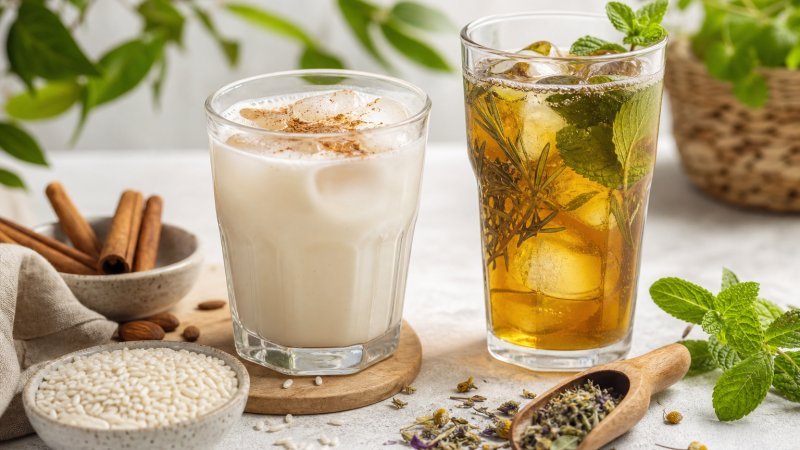
Compare traditional horchata and cold infusions in the battle of Spanish natural drinks. Nutritional profiles, science, preparation tips and cultural roots explored.
Make tea the star of your Saturday wellbeing ritual. Antioxidants, L-theanine, preparation tips, cultural traditions and science-backed benefits for a mindful weekend.
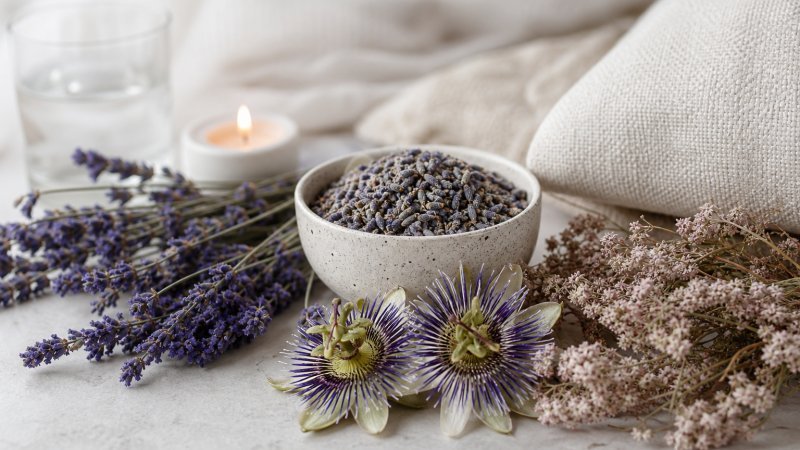
Discover how lavender, passionflower and valerian improve sleep quality on hot nights. Scientific evidence, preparation tips, safety precautions and cultural traditions.
Build your perfect travel infusion kit for summer. Digestive, relaxing and refreshing teas — scientific evidence, preparation tips, cultural traditions and practical advice.
Explore adaptogen teas — ginseng, ashwagandha, rhodiola — their active compounds, scientific evidence, preparation tips and cultural origins. A guide to choosing well.