Tea and Intermittent Fasting: What Science Says about Fasting Infusions
Almate
June 17th, 2026
No Comments
6 mins read
Share this article
Fasting Infusions: What Does Science Tell Us?
Fasting infusions have grown in popularity in the context of intermittent fasting. This type of fasting alternates periods of eating with periods of not consuming food, and many people wonder whether infusions such as tea can be consumed during fasting periods without breaking its benefits. Understanding how these drinks affect the fasting process is essential for those wishing to maximise their health effects. In this article, we explore what science says about consuming infusions while fasting, their potential benefits and whether it is safe to integrate them into your daily wellbeing routine.
Benefits of Infusions in Intermittent Fasting
AdvertisementYour AdSense code will appear here
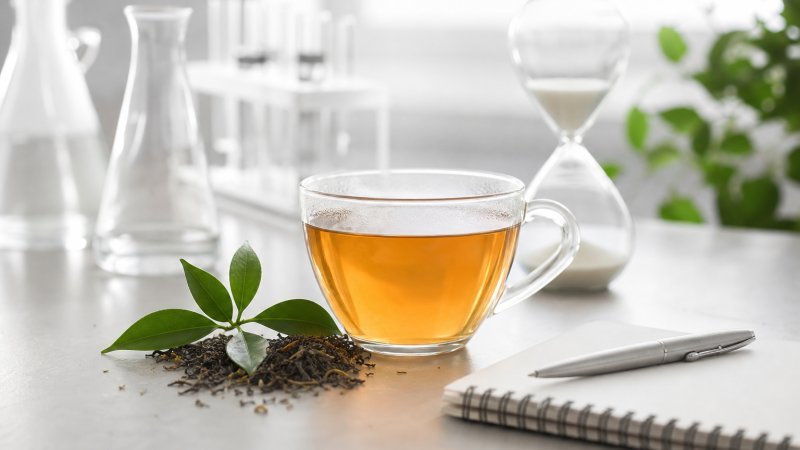
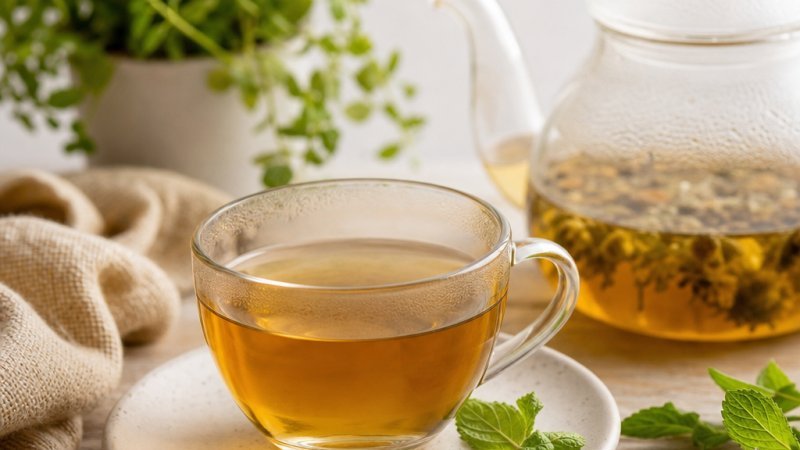
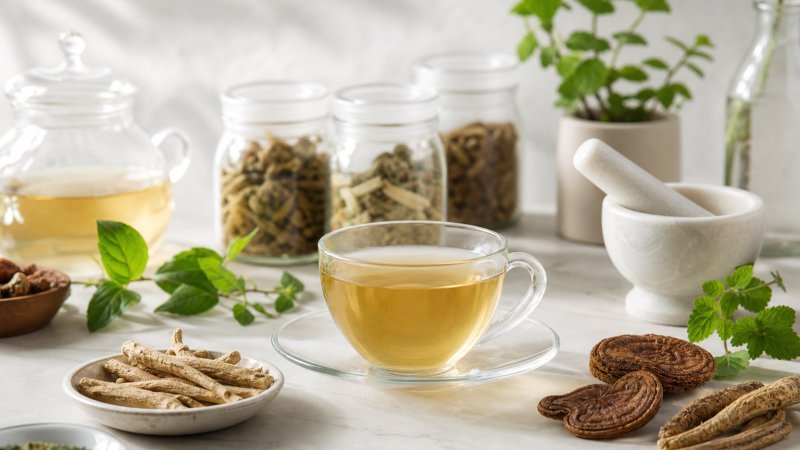
During intermittent fasting, infusions can offer important benefits. They help maintain hydration without contributing substantial calories that would break the fast. Herbal infusions such as mint and chamomile are not only relaxing but provide antioxidants that can support general health. A study found that certain teas, such as green tea, can improve fat oxidation and even increase metabolism when taken while fasting (PMID: 20648062). However, it is essential to choose infusions containing no added sugars or milk.
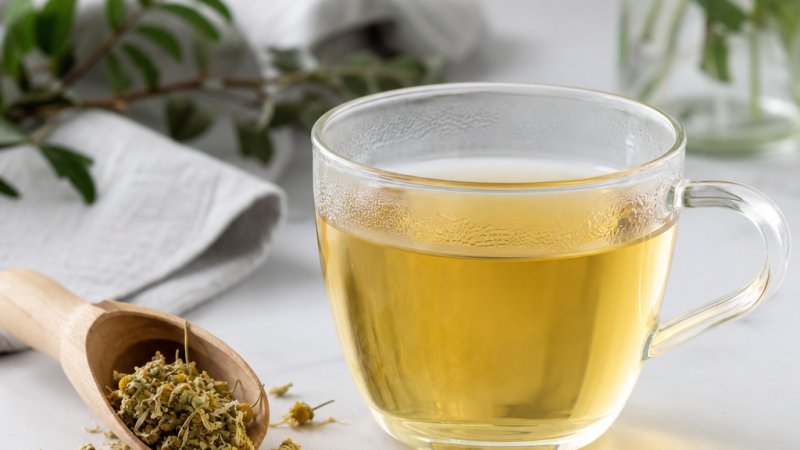
Another potential benefit is the calming and anti-inflammatory effect. Chamomile, for example, has traditionally been used to relieve digestive discomfort (Blumenthal, M. 1998). These qualities can be especially useful for those experiencing stomach discomfort during fasting. It is important to remember, however, that effects may vary between individuals and more studies are needed to confirm these benefits.
Which Infusions to Take While Fasting?
Not all fasting infusions are equal. Green tea, for example, is famous for its catechin content, known for antioxidant properties and metabolic effects (Hodgson, JM, 2008). Ginger infusions can also be consumed, associated with reduced inflammation and pain relief (Nurture, B, et al., 2005). However, it is crucial to avoid infusions containing sweeteners or milks as these can break the fast by contributing calories.
Black tea is another popular option, although some studies suggest its caffeine content can be stimulating, which may not be ideal for everyone (Higdon, JV, et al., 2003). A safe approach is to try different infusions and observe your reaction to them. You can choose your favourite infusions from the Almate tea catalogue, making sure to opt for pure options without additives.
Practical Considerations for Consuming Infusions While Fasting
AdvertisementYour AdSense code will appear here
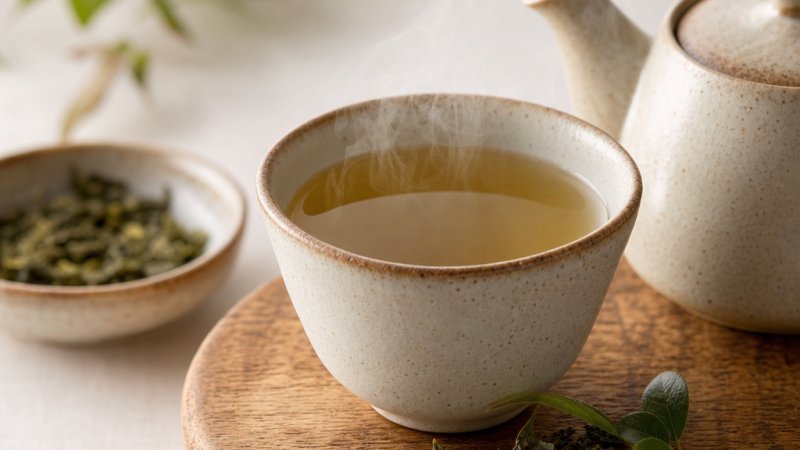
When integrating infusions into your fasting routine, quality and preparation matter. Choose loose-leaf infusions rather than tea bags, as these are generally of better quality. For green tea, for example, it is recommended to steep it in water at around 80°C for 2-3 minutes to avoid bitterness. Ensure the ingredients are natural, without preservatives or added flavours.
A practical tip is to plan when to take your infusion to avoid inadvertently breaking the fast. Drinking infusions at the start of the fasting period will help you maintain hydration. Also remember that caffeine can affect sleep if consumed too late in the day. Always listen to your body and adapt your consumption to what works best for you personally.
Precautions When Consuming Infusions During Fasting
Although infusions can be beneficial, certain precautions should be considered. People sensitive to caffeine should be cautious with green and black tea as these can cause nervousness or insomnia. Anyone with medical conditions such as gastric ulcers should also consult a health professional before using infusions during fasting.
It is also important to consider interactions with medications. Green tea can affect the efficacy of some anticoagulant drugs due to its vitamin K content (Geleijnse, JM, et al., 2003). In general, it is recommended to start with a moderate amount and observe any adverse reactions.
Infusions and Fasting: Myths and Realities
AdvertisementYour AdSense code will appear here
Many myths surround infusion consumption during fasting. One is that artificially flavoured or coloured tea does not break the fast. In reality, any additive can contribute calories and affect fasting benefits. Another common myth is that all infusions have the same effect: each plant has unique properties that can affect each person differently.
Essentially, herbal infusions like chamomile are traditionally used to calm nerves and improve sleep, while green tea can offer an energy boost. The key is to choose pure infusions without additives. Learning to select these products not only improves your fasting experience but also your general wellbeing. To explore more about the world of infusions, visit Almate’s blog.
Frequently Asked Questions about Fasting Infusions
Which infusions can be taken while fasting? Infusions such as green tea, chamomile and mint can be taken, provided they contain no sugars or additives. These help maintain the fast without breaking it.
Does tea break intermittent fasting? Certain teas, such as green tea without additional calories, do not interrupt the fast. However, those with sweeteners or milk would do so.
What are the benefits of infusions during fasting? They offer hydration, antioxidants and, in some cases, anti-inflammatory effects. They help avoid dehydration and can improve digestive wellbeing.
Is it safe to consume infusions during intermittent fasting? For most people it is safe, provided appropriate infusions are chosen in moderate amounts. Consult a professional if you have specific sensitivities.
What does science say about infusions and fasting? Science suggests certain infusions can support metabolism and digestive health, but more research is needed to fully understand their effects.
Conclusion: Including Fasting Infusions in Your Routine
Incorporating fasting infusions into your routine can offer several benefits when done correctly. From maintaining hydration to providing antioxidants, these drinks can be a valuable part of intermittent fasting. It is crucial to choose infusions that do not break the fast, such as green tea or chamomile, and to pay attention to how your body responds. Always consult a health professional before making significant changes to your diet or lifestyle. For more tips on infusions, visit our culture section at Almate.
References and Further Reading
Anton SD, et al. (2018). Flipping the metabolic switch: understanding and applying the health benefits of fasting. Obesity (Silver Spring). 26(2):254-68. DOI: 10.1002/oby.22065
Hidese S, et al. (2019). Effects of L-Theanine administration on stress-related symptoms and cognitive functions in healthy adults. Nutrients. 11(10):2362. DOI: 10.3390/nu11102362
Kochman J, et al. (2021). Health benefits and chemical composition of matcha green tea. Molecules. 26(1):85. DOI: 10.3390/molecules26010085
Srivastava JK, Shankar E, Gupta S (2010). Chamomile: A herbal medicine of the past with bright future. Mol Med Rep. 3(6):895-901. DOI: 10.3892/mmr.2010.377
Kuriyama S, et al. (2006). Green tea consumption and mortality due to cardiovascular disease, cancer, and all causes in Japan. JAMA. 296(10):1255-65. DOI: 10.1001/jama.296.10.1255
Learn how to make a functional granita tea at home. Discover recipes, health benefits, preparation tips and cultural variants for this refreshing summer drink.
Can you drink tea while fasting? Discover which infusions support intermittent fasting, their scientific evidence, safety precautions and myths vs reality.
Discover lechuguilla, the strawberry tree and St John’s wort — Spanish native plants with surprising medicinal properties, scientific evidence, safety precautions and integration tips.
Compare traditional horchata and cold infusions in the battle of Spanish natural drinks. Nutritional profiles, science, preparation tips and cultural roots explored.
Make tea the star of your Saturday wellbeing ritual. Antioxidants, L-theanine, preparation tips, cultural traditions and science-backed benefits for a mindful weekend.
Discover how lavender, passionflower and valerian improve sleep quality on hot nights. Scientific evidence, preparation tips, safety precautions and cultural traditions.
Build your perfect travel infusion kit for summer. Digestive, relaxing and refreshing teas — scientific evidence, preparation tips, cultural traditions and practical advice.
Explore adaptogen teas — ginseng, ashwagandha, rhodiola — their active compounds, scientific evidence, preparation tips and cultural origins. A guide to choosing well.
We use our own cookies to keep the shop working (language, basket and checkout), to measure anonymously how the site is used, and to know which channel brought you here. We do not use advertising or profiling, and we do not share this data with third parties.
Functional
Always active
This technical storage is strictly necessary for the site to work: keeping your language, your basket and your checkout session. Without it you cannot complete an order.
Preferences
The technical storage or access is necessary for the legitimate purpose of storing preferences that are not requested by the subscriber or user.
Statistics
Our own anonymous measurement of page views and visits, so we can understand which content is useful. It is not shared with anyone and is not used to build profiles.The technical storage or access that is used exclusively for anonymous statistical purposes. Without a subpoena, voluntary compliance on the part of your Internet Service Provider, or additional records from a third party, information stored or retrieved for this purpose alone cannot usually be used to identify you.
Order attribution
Records which channel brought you to the shop (a search engine, a link or a campaign) so an order can be attributed to its source. It is not used for advertising or commercial profiling.