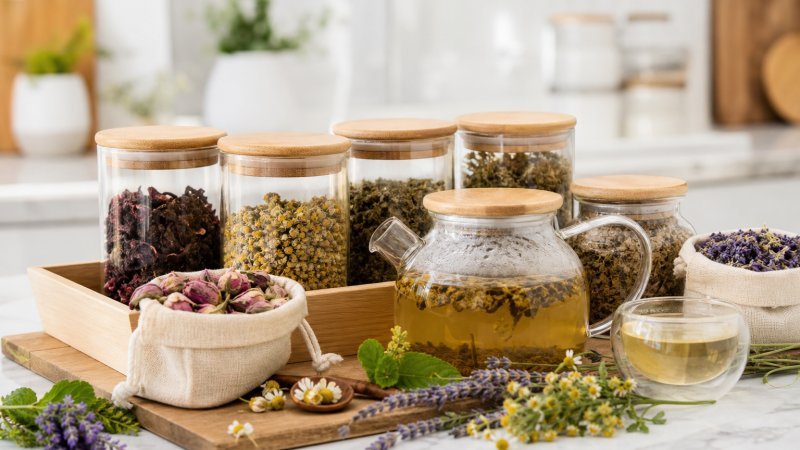
How to Build Your Infusion Pantry for the Whole Summer
Almate
June 17th, 2026
No Comments
5 mins read
Share this article
What Must Not Be Missing from a Summer Infusion Pantry?
Summer infusions are a refreshing tradition dating back centuries. From herbs used in traditional Chinese medicine to Mediterranean infusions, these drinks have found their place in diverse cultures for their calming and refreshing properties. As temperatures rise, the need to stay hydrated and cool becomes essential, and infusions offer a natural solution for these cultural needs.
Historically, herbal infusions have been valued not only for their flavour but also for their potential health benefits. Hibiscus tea, known for reducing blood pressure, is popular in Africa and Latin America (McKay & Blumberg, 2006). During summer months, infusions are often cooled to create summer drinks that revitalise the body.
Antioxidants, Adaptogens and Refreshing Plants: The Three Pillars of Your Pantry
AdvertisementYour AdSense code will appear here
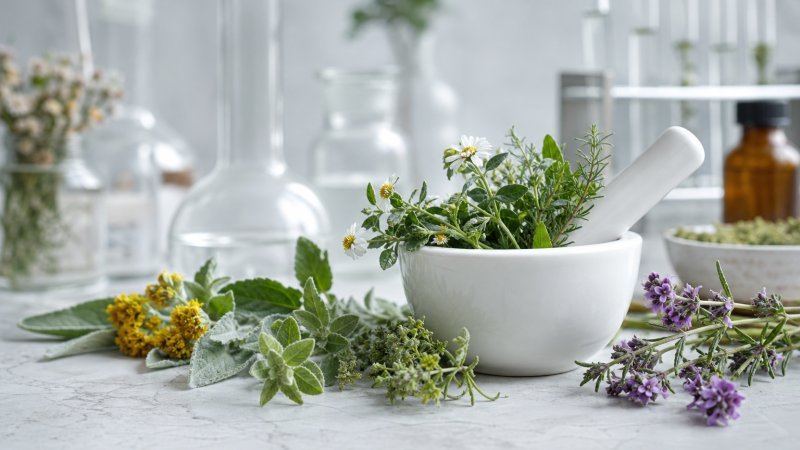
Infusions stand out for their varied active components that provide specific benefits. For example, mint tea is refreshing and contains menthol, which has a calming effect. Chamomile, another favourite, contains compounds that can reduce inflammation and promote digestion.
Ginger is known for its anti-inflammatory and digestive properties. Digestive summer infusions often include this root to relieve stomach discomfort. Hibiscus provides antioxidants such as anthocyanins that can help combat oxidative stress. Using a variety of herbs allows you to experiment with diverse flavours and effects throughout the summer.
What Science Says about the Most Effective Summer Infusions
Research has shown that certain infusions have scientifically supported benefits. A study by Serban et al. (2015) published in the Journal of Hypertension showed that hibiscus can help lower blood pressure. Another study in the Journal of Nutrition highlighted the antioxidant properties of ginger tea and its effect on reducing inflammation (Chrubasik et al., 2005).
Mint infusions have been appreciated for their digestive benefits, and a report in Phytotherapy Research notes how menthol can relax the digestive tract. Through this evidence-based and traditional knowledge approach, creating refreshing infusions becomes a pleasure for both the palate and wellbeing.
Your Shopping List: Hibiscus, Mint, Ginger and Five More Essentials
AdvertisementYour AdSense code will appear here
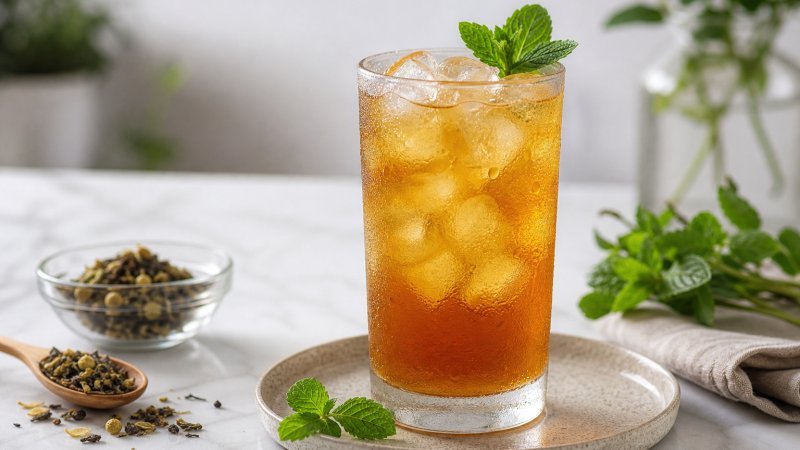
Preparing summer infusions is simple and enjoyable. Start with a base of hot water to release the essential oils from the herbs. For one cup, use approximately one teaspoon of dried herbs or two of fresh herbs. Leave to steep for 5–10 minutes, then cool with ice or refrigerate.
For digestive summer infusions, mix ginger and mint, two ingredients recognised for relieving stomach discomfort. Amounts can be adjusted to personal taste, but remember that specific recommendations may vary and it is better to start with small quantities.
Potent Plants in the Pantry: What You Should Not Mix or Store without Caution
It is essential to be aware of precautions when consuming infusions. Pregnant women should avoid certain herbs such as hibiscus and liquorice. Those with pre-existing medical conditions or taking medications should consult a healthcare professional before introducing new infusions into their diet.
Furthermore, herbal infusions, though generally safe, can cause allergic reactions in some people. It is always advisable to start with small amounts and observe any adverse reactions.
De la Herboristería de Barrio al Armario Cápsula de Infusiones: Una Evolución
AdvertisementYour AdSense code will appear here
Infusions have been an integral part of many cultures throughout history. In Ayurvedic medicine, ginger is used to balance the digestive system and improve circulation. In Tibb al-Nabawi, chamomile is considered a natural calming agent.
In Europe, the use of herbs such as mint is widely documented by Nicholas Culpeper, who recognised their refreshing and digestive properties (Culpeper, 1652). This rich cultural heritage highlights the value of infusions beyond their flavour, offering a tangible link to our ancestral roots.
Frequently Asked Questions
What are the best infusions for summer? The best summer infusions include hibiscus, mint, ginger, chamomile and green tea. These infusions are not only refreshing but can also provide specific health benefits.
How to prepare refreshing infusions? Boil water and add your favorite herbs. Leave to steep for 5–10 minutes, then cool with ice or in the refrigerator to enjoy a refreshing drink.
What infusions help with digestion in summer? Ginger and mint infusions are excellent for digestion. Both ingredients help relieve stomach discomfort.
What ingredients are used in summer infusions? Hibiscus, mint, ginger, chamomile and green tea are popular ingredients in refreshing summer infusions.
Do summer infusions help with hydration? Yes, summer infusions help with hydration, especially when prepared without added sugar, allowing the body to maintain fluid balance.
Conclusion
Building your summer infusions pantry can be a delicious and healthy adventure. With refreshing options like hibiscus and mint, you can enjoy drinks that complement your hydration and well-being needs.
Always remember to consult a qualified professional before incorporating new infusions, especially if you have pre-existing medical conditions. Here’s to a summer full of well-being!
McKay DL, et al. (2010). Hibiscus sabdariffa L. tea lowers blood pressure in prehypertensive and mildly hypertensive adults. J Nutr. 140(2):298-303. DOI: 10.3945/jn.109.115097
Pittler MH, Ernst E (1998). Peppermint oil for irritable bowel syndrome: a critical review and metaanalysis. Am J Gastroenterol. 93(7):1131-5. DOI: 10.1111/j.1572-0241.1998.00343.x
WHO (2003). WHO guidelines on good agricultural and collection practices (GACP) for medicinal plants. World Health Organization. WHO GACP
Srivastava JK, Shankar E, Gupta S (2010). Chamomile: A herbal medicine of the past with bright future. Mol Med Rep. 3(6):895-901. DOI: 10.3892/mmr.2010.377
Learn how to make a functional granita tea at home. Discover recipes, health benefits, preparation tips and cultural variants for this refreshing summer drink.
Can you drink tea while fasting? Discover which infusions support intermittent fasting, their scientific evidence, safety precautions and myths vs reality.
Discover lechuguilla, the strawberry tree and St John’s wort — Spanish native plants with surprising medicinal properties, scientific evidence, safety precautions and integration tips.
Compare traditional horchata and cold infusions in the battle of Spanish natural drinks. Nutritional profiles, science, preparation tips and cultural roots explored.
Make tea the star of your Saturday wellbeing ritual. Antioxidants, L-theanine, preparation tips, cultural traditions and science-backed benefits for a mindful weekend.
Discover how lavender, passionflower and valerian improve sleep quality on hot nights. Scientific evidence, preparation tips, safety precautions and cultural traditions.
Build your perfect travel infusion kit for summer. Digestive, relaxing and refreshing teas — scientific evidence, preparation tips, cultural traditions and practical advice.
Explore adaptogen teas — ginseng, ashwagandha, rhodiola — their active compounds, scientific evidence, preparation tips and cultural origins. A guide to choosing well.