Why Japanese Green Tea is the Best Ally for the Spanish Summer
Almate
June 17th, 2026
No Comments
5 mins read
Share this article
The Richness of Japanese Green Tea: History and Context
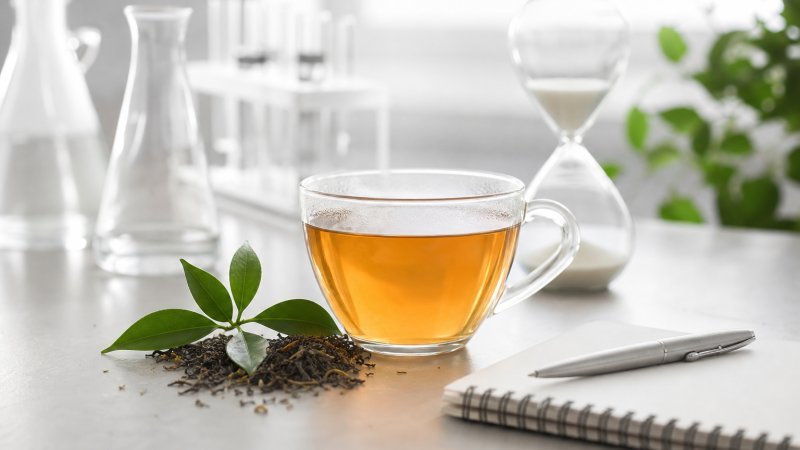
Japanese green tea, especially known as matcha, is an ideal companion for Spanish summers. This tea has been an integral part of Japanese culture for centuries, renowned for its traditional ceremonies. Its global popularity stems from its unique flavour profile and potential health benefits. Buddhist monks adopted green tea for its ability to enhance meditation thanks to its calming effects. In modern science, green tea is valued for its high concentration of antioxidants, compounds that protect cells from damage. This cellular protection is key to feeling well, especially during the hottest months. Discover more about tea culture here.
EGCG, L-Theanine and Catechins: The Active Compounds that Make Japanese Green Tea Unique
AdvertisementYour AdSense code will appear here
Japanese green tea stands out for the quantity of catechins it contains, mainly epigallocatechin gallate (EGCG). These catechins are powerful antioxidants that help combat free radicals, which can cause premature aging and chronic diseases. Additionally, green tea contains L-theanine, an amino acid that promotes relaxation without drowsiness. It also includes small amounts of caffeine, which together with L-theanine improves attention and alertness. In combination, these elements make green tea an energizing yet calming drink.
Matcha, Sencha, Gyokuro: What Studies Say about Each Variety
Various studies have supported the benefits of green tea. A study published in the European Journal of Clinical Nutrition showed that green tea consumption can improve fat oxidation, particularly during exercise (Hursel et al., 2009). Another study in the American Journal of Clinical Nutrition found that catechins can help maintain a healthy body weight (Nagao et al., 2005). Additionally, DOI: 10.1056/NEJMoa156064 shows how regular green tea consumption is associated with reduced risk of cardiovascular disease. These findings reinforce the reputation of Japanese green tea as a healthy option.
Cold or Hot, Whisked or Steeped: The Best Ways to Drink Green Tea in Summer
AdvertisementYour AdSense code will appear here
Integrating Japanese green tea into your daily routine is simple and enjoyable. One to three cups a day is recommended to enjoy its benefits. Preparing matcha is easy: simply dissolve a teaspoon of powder in hot water, whisking until frothy. You can also incorporate it into smoothies or desserts such as ice cream to refresh yourself during summer heat. It is important to remember that tea quality is key — always opt for high-quality matcha to get the most from its benefits.
Green Tea, Iron and Medications: Precautions to Enjoy its Benefits without Risks
Although green tea is generally safe, some precautions are important. Due to its caffeine content, those sensitive to caffeine should consume it in moderation. Pregnant or breastfeeding women should consult a professional before including large amounts in their diet. Some people may experience stomach discomfort when consumed in excess, so it is advisable to start with small amounts. Always consult an expert if you have specific health concerns.
From Zen Temple to Tokyo Konbini: Green Tea in Japanese Culture
AdvertisementYour AdSense code will appear here
Japanese green tea holds deep cultural and traditional significance. In Japan, the tea ceremony, known as chanoyu, is a spiritual practice that highlights the beauty in every step of its preparation. This ritual is an art form seeking harmony and respect. Traditional Chinese medicine also values it for its supposed beneficial properties for internal organs and body energy. In Europe, it is considered a refreshing and sophisticated drink, perfect for hot summer days.
Frequently Asked Questions
Does Japanese green tea help with weight loss? Japanese green tea can support weight loss thanks to its EGCG, which improves fat oxidation and metabolism.
How much caffeine does Japanese green tea contain? Green tea contains less caffeine than coffee, with approximately 30-50 mg per cup.
Is Japanese green tea suitable for children? In small amounts and without excess, it can be safe, but it is best to consult a paediatrician.
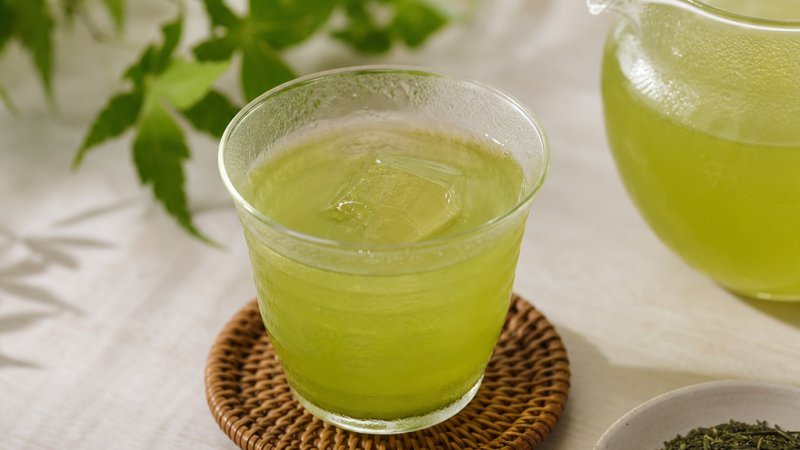
Can Japanese green tea be consumed cold? Yes, it is delicious cold and refreshing, ideal for the Spanish summer.
Is there an interaction between Japanese green tea and medications? Interactions may exist. Consult a doctor if you take medications regularly.
Conclusion: Japanese Green Tea, Your Ideal Summer Companion
Japanese green tea is a refreshing and healthy option to enjoy during the Spanish summer. With its antioxidant benefits and low caffeine content, it helps keep us alert and relaxed. Remember, whenever you make changes to your diet, consult a health professional to ensure it is safe for you. Enjoy the summer with a cup of Japanese green tea!
References and Further Reading
Kochman J, et al. (2021). Health benefits and chemical composition of matcha green tea. Molecules. 26(1):85. DOI: 10.3390/molecules26010085
Kuriyama S, et al. (2006). Green tea consumption and mortality due to cardiovascular disease, cancer, and all causes in Japan. JAMA. 296(10):1255-65. DOI: 10.1001/jama.296.10.1255
Hidese S, et al. (2019). Effects of L-Theanine administration on stress-related symptoms and cognitive functions in healthy adults. Nutrients. 11(10):2362. DOI: 10.3390/nu11102362
Pham NM, et al. (2014). Green tea and coffee consumption inversely associated with depressive symptoms. Public Health Nutr. 17(3):625-33. DOI: 10.1017/S1368980013000360
EMA HMPC (2016). Community herbal monograph on Camellia sinensis (L.) Kuntze, non fermentatum folium. European Medicines Agency. EMA Monograph
Learn how to make a functional granita tea at home. Discover recipes, health benefits, preparation tips and cultural variants for this refreshing summer drink.
Can you drink tea while fasting? Discover which infusions support intermittent fasting, their scientific evidence, safety precautions and myths vs reality.
Discover lechuguilla, the strawberry tree and St John’s wort — Spanish native plants with surprising medicinal properties, scientific evidence, safety precautions and integration tips.
Compare traditional horchata and cold infusions in the battle of Spanish natural drinks. Nutritional profiles, science, preparation tips and cultural roots explored.
Make tea the star of your Saturday wellbeing ritual. Antioxidants, L-theanine, preparation tips, cultural traditions and science-backed benefits for a mindful weekend.
Discover how lavender, passionflower and valerian improve sleep quality on hot nights. Scientific evidence, preparation tips, safety precautions and cultural traditions.
Build your perfect travel infusion kit for summer. Digestive, relaxing and refreshing teas — scientific evidence, preparation tips, cultural traditions and practical advice.
Explore adaptogen teas — ginseng, ashwagandha, rhodiola — their active compounds, scientific evidence, preparation tips and cultural origins. A guide to choosing well.