Tea as an Alcohol-Free Alternative on Summer Nights
Almate
June 17th, 2026
No Comments
5 mins read
Share this article
Tea Mocktails: The Alcohol-Free Revolution Conquering Summer Nights
Alcohol-free tea for summer nights has been a popular drink throughout history. From China to Morocco, infusions have helped refresh the body without alcohol. In traditional Chinese medicine, tea is valued for its yin properties, which cool and calm the body’s internal heat. In Morocco, the tradition of drinking mint tea on warm nights is valued for its ability to refresh and relax.
The popularity of tea as a non-alcoholic night drink is partly due to its therapeutic benefits. Chamomile is known for its relaxing effect thanks to compounds such as apigenin (McKay & Blumberg, 2006). On alcohol-free summer nights, tea offers a healthy and culturally rich alternative that combines the best of tradition and modern science.
L-Theanine and Polyphenols: Why Tea is the Smartest Alcohol-Free Option
AdvertisementYour AdSense code will appear here
The active components of tea vary between different varieties, but some key elements include polyphenols, theanine and essential oils. These components are known for their beneficial health effects. Polyphenols such as catechins are powerful antioxidants that help protect the body from oxidative damage. Theanine, an amino acid found in green tea, is known to promote relaxation without causing drowsiness, making it particularly suitable for calm summer evenings.
Herbal infusions such as chamomile contain volatile compounds with relaxing effects, contributing to restorative sleep. Mint infusions are refreshing due to menthol. These components make alcohol-free summer night tea an ideal drink. Find more healthy summer drinks on our blog.
What Science Says about Alcohol and Plant-Based Alternatives for Relaxation
Scientific interest in tea has motivated diverse studies. A study by Cabria et al. (2021) in the Journal of Ethnopharmacology highlighted the positive effects of mint tea on stress reduction and improved wellbeing. The World Health Organization (1999) has also documented the traditional use of chamomile to relieve insomnia and anxiety.
Modern research supports the use of non-alcoholic tea as an ideal substitute for summer nights. In a review by Smith et al. (2015), it is suggested that green tea, due to its theanine and catechin content, can improve relaxation without inducing drowsiness. These studies suggest that tea can be an excellent option to enjoy as part of a mindful summer night routine.
Alcohol-Free Tea Recipes to Impress at Your Next Summer Night
AdvertisementYour AdSense code will appear here
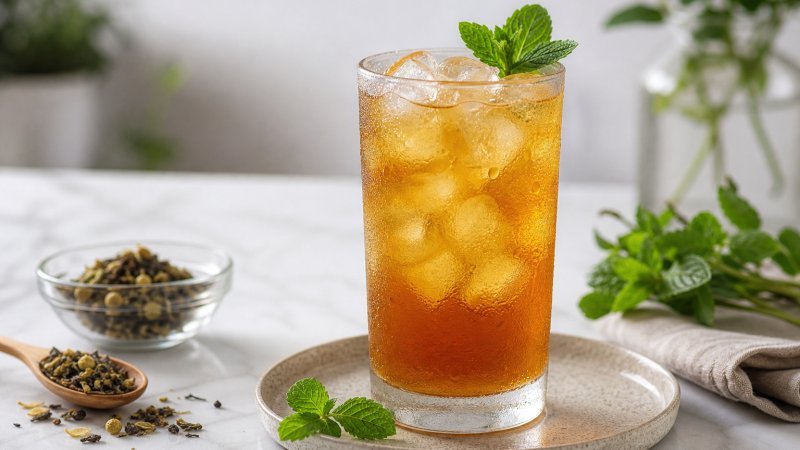
Preparing and consuming tea effectively can make a difference on a summer night. To prepare iced tea, boil water and steep the tea leaves or bags for 5 minutes. Then refrigerate the infusion for at least an hour before serving with ice. Amounts may vary, but one tablespoon of tea per cup of water is a good starting point.
Mint, chamomile and green tea infusions are excellent options for alcohol-free nights. It is recommended to drink it an hour before bed to allow its relaxing properties to take effect. Listening to your body and adjusting the amount according to your tolerance is key for alcohol-free summer nights.
Potent Infusions and Nocturnal Caffeine: What to Watch in your Alcohol-Free Alternative
Although tea is generally safe, some people should exercise caution. Those who are pregnant, breastfeeding or have specific medical conditions should consult a professional before consuming certain infusions. Some teas, such as mint, can exacerbate acid reflux and should be avoided by people with this condition.
There can also be drug interactions. For example, chamomile can interact with anticoagulants. It is always prudent to speak with a healthcare provider before making significant changes to your consumption habits, especially if you are under medical treatment.
From Mexican Agua Fresca to Moroccan Mint Tea: The World Toasts Without Alcohol
AdvertisementYour AdSense code will appear here
Traditional uses of tea reflect its long history across various cultures. In Asia, green tea has been an emblematic drink, used both for its energizing properties and its cultural significance. In Ayurvedic medicine, infusions are used to balance the body’s dosha energies.
In Moroccan culture, mint tea is more than a simple drink; it is a symbol of hospitality and is consumed at family gatherings and social events. These traditional practices underline the importance of tea not only as a drink, but as part of the cultural heritage that transforms summer nights.
Frequently Asked Questions
Why choose tea as a night drink? Alcohol-free tea for summer nights offers a refreshing and healthy alternative. It helps to relax without the dehydrating effects of alcohol.
What types of tea are good for summer nights? Mint, chamomile and green tea infusions are excellent options for their refreshing and soothing effects.
How to prepare cold tea for hot nights? Steep tea in hot water, then cool in the refrigerator and serve with ice. This enhances the flavor and provides a refreshing drink.
Does tea help to relax at night? Yes, many infusions, such as chamomile, contain components that can promote relaxation and improve sleep.
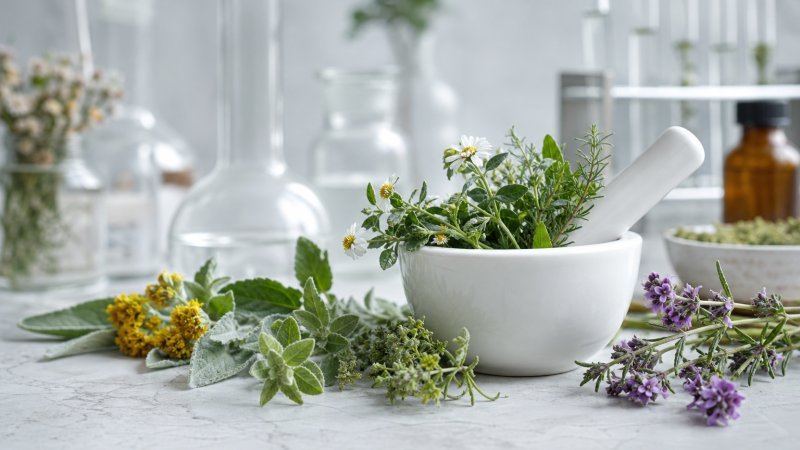
What infusions are recommended to avoid alcohol? Chamomile, mint and lavender infusions are good alternatives to enjoy alcohol-free summer nights.
Conclusion
Alcohol-free tea for summer nights presents itself as a natural and refreshing option. It offers not only hydration but also a connection with cultural practices and scientifically supported health benefits. Always remember to consult a health professional before changing your consumption habits if you have specific concerns.
References and Further Reading
Kimura K, et al. (2007). L-Theanine reduces psychological and physiological stress responses. Biol Psychol. 74(1):39-45. DOI: 10.1016/j.biopsycho.2006.06.006
McKay DL, et al. (2010). Hibiscus sabdariffa L. tea lowers blood pressure in prehypertensive and mildly hypertensive adults. J Nutr. 140(2):298-303. DOI: 10.3945/jn.109.115097
Kochman J, et al. (2021). Health benefits and chemical composition of matcha green tea. Molecules. 26(1):85. DOI: 10.3390/molecules26010085
Kuriyama S, et al. (2006). Green tea consumption and mortality due to cardiovascular disease, cancer, and all causes in Japan. JAMA. 296(10):1255-65. DOI: 10.1001/jama.296.10.1255
Srivastava JK, Shankar E, Gupta S (2010). Chamomile: A herbal medicine of the past with bright future. Mol Med Rep. 3(6):895-901. DOI: 10.3892/mmr.2010.377
Learn how to make a functional granita tea at home. Discover recipes, health benefits, preparation tips and cultural variants for this refreshing summer drink.
Can you drink tea while fasting? Discover which infusions support intermittent fasting, their scientific evidence, safety precautions and myths vs reality.
Discover lechuguilla, the strawberry tree and St John’s wort — Spanish native plants with surprising medicinal properties, scientific evidence, safety precautions and integration tips.
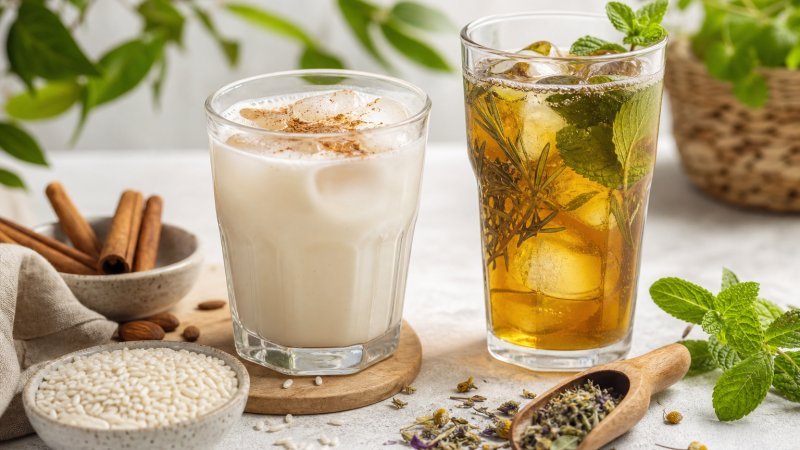
Compare traditional horchata and cold infusions in the battle of Spanish natural drinks. Nutritional profiles, science, preparation tips and cultural roots explored.
Make tea the star of your Saturday wellbeing ritual. Antioxidants, L-theanine, preparation tips, cultural traditions and science-backed benefits for a mindful weekend.
Discover how lavender, passionflower and valerian improve sleep quality on hot nights. Scientific evidence, preparation tips, safety precautions and cultural traditions.
Build your perfect travel infusion kit for summer. Digestive, relaxing and refreshing teas — scientific evidence, preparation tips, cultural traditions and practical advice.
Explore adaptogen teas — ginseng, ashwagandha, rhodiola — their active compounds, scientific evidence, preparation tips and cultural origins. A guide to choosing well.