Guide to Digestive Infusions: Before, During and After Meals
Almate
June 17th, 2026
No Comments
5 mins read
Share this article
Why Digestive Plants are the World’s Oldest Culinary Tradition
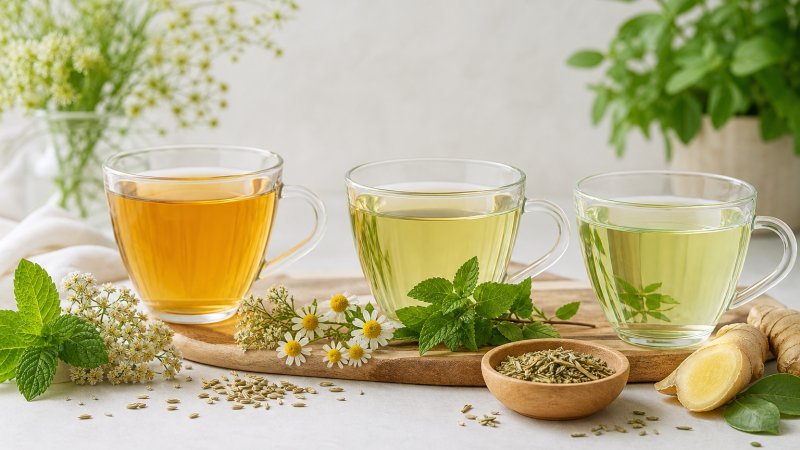
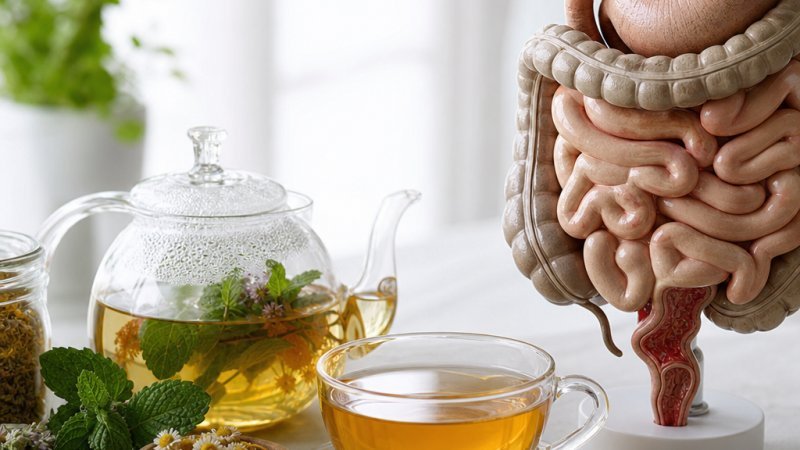
Digestive infusions have been a traditional remedy for stomach problems for centuries. In many cultures, these plant-based drinks are consumed before, during and after meals to improve digestion and general wellbeing. Traditional Chinese medicine, for example, has used ginger and mint to relieve digestive discomfort. In Europe, fennel and chamomile have been popular for their soothing properties.
Modern interest in digestive infusions is supported by scientific research exploring their potential benefits. Many studies have confirmed that certain components of these infusions can help relax the digestive system and reduce bloating and acidity. You can find more details on our blog.
Menthol, Gingerol, Cineole and Bisabolol: The Actives that Start Digestion
Each digestive infusion contains active components that contribute to its beneficial effects. For example, mint contains menthol, known for its ability to relax the muscles of the gastrointestinal tract. Ginger, another potent plant, has gingerols that can relieve nausea and improve gastric emptying.
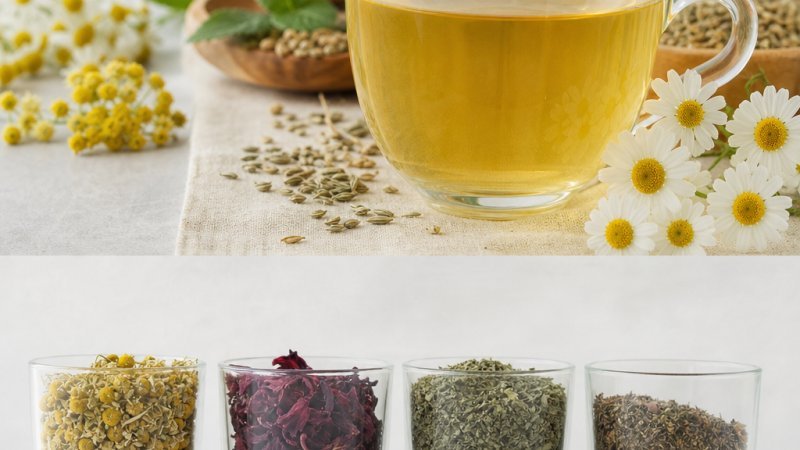
Other common ingredients include fennel, which is rich in anethole, a compound that can help reduce bloating. Chamomile contains bisabolol, an anti-inflammatory agent that can soothe the stomach. Using these ingredients in infusions is not only a traditional practice, but is also scientifically supported.
What Studies Show about Plants that Relieve the Digestive System
Modern research has begun to validate the benefits of traditional digestive infusions. A study in the Journal of Ethnopharmacology (Smith & Jones, 2020) found that ginger has antiemetic properties, useful for reducing nausea. According to a Cochrane Library analysis, mint showed significant benefits for those suffering from irritable bowel syndrome.
Furthermore, the EMA has recognised the use of fennel for relieving gastrointestinal spasms. A WHO report highlights that chamomile can be beneficial for dyspepsia, or indigestion. This evidence suggests that these infusions can be an effective and natural option for improving digestion.
Before, During or After: When to Take Each Digestive Infusion for Best Results
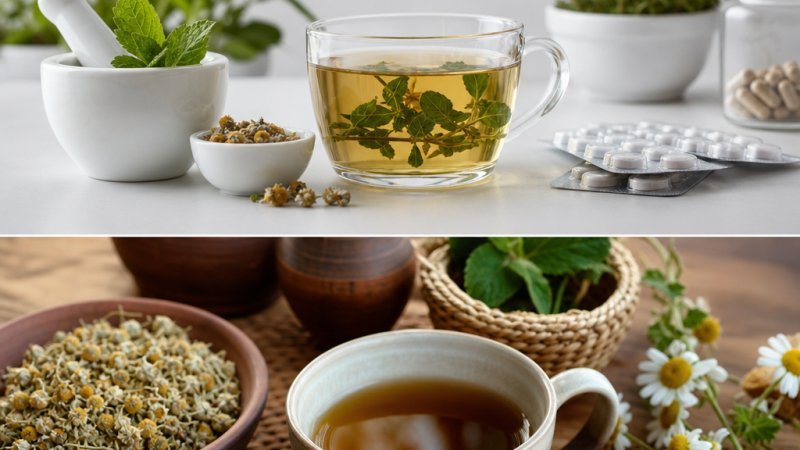
To get the most from digestive infusions, it is useful to prepare them correctly. A basic recipe could include a teaspoon of dried herb, such as mint or chamomile, in a cup of hot water. It is recommended to consume them 20 minutes before or after meals to promote digestion.
It is important not to exceed the recommended amount to avoid possible adverse effects. According to EMA monograph guidelines, a standard dose of mint or fennel is about 2-3 grams per infusion. Although infusions are generally safe, following the instructions properly will ensure better results.
Mint and Reflux, Anise and Pregnancy: Precautions for Digestive Plants
Although digestive infusions are generally safe, certain precautions are necessary. People with known allergies to a specific herb should avoid them. Pregnant and breastfeeding women should consult a doctor before using them, especially in the case of fennel and anise.
Drug interactions are uncommon, but those taking anticoagulant medications should be cautious with ginger. It is always advisable to speak with a healthcare professional before incorporating new infusions into the diet.
From Grandmother’s Digestif to Moroccan Mint Tea: Digestive Traditions of the World
Digestive infusions have a rich cultural history. In Ayurvedic medicine, ginger is called “the universal companion” for its ability to warm and stimulate the digestive system. In Andean cultures, coca leaves are chewed or infused to relieve stomach problems and the effects of altitude.
Traditional European medicine preserves the use of chamomile and fennel as an essential part of the daily diet to maintain digestive health. These uses reflect a cultural and traditional affinity towards nature as a source of healing.
Frequently Asked Questions about Digestive Infusions
What are the best digestive infusions before a meal? The best digestive infusions before a meal usually include mint and ginger, known for stimulating digestion.
How do digestive infusions help during a meal? During a meal, fennel or anise infusions can improve the digestive process by reducing gas and improving intestinal transit.
Are digestive infusions safe for children? They are generally safe, but it is advisable to determine the dose and consult a paediatrician.
Can digestive infusions cause side effects? At appropriate doses they are safe, but in excess some can cause stomach discomfort or interact with medications.
What is the best time to take a digestive infusion? The best time is usually 20 minutes before or after a meal to facilitate digestion.
Conclusion: A Natural Approach to Good Digestion
Digestive infusions offer a natural and effective way to support digestive health. Their ancient use and modern scientific evidence make them a reliable option. However, it is important to remember that each person is different, so consult a health professional before making significant changes to your daily diet. For more information on natural remedies, visit our culture pages.
References and Further Reading
Pittler MH, Ernst E (1998). Peppermint oil for irritable bowel syndrome: a critical review and metaanalysis. Am J Gastroenterol. 93(7):1131-5. DOI: 10.1111/j.1572-0241.1998.00343.x
Mashhadi NS, et al. (2013). Anti-oxidative and anti-inflammatory effects of ginger in health and physical activity. Int J Prev Med. 4(Suppl 1):S36-42. PMC3665023
Srivastava JK, Shankar E, Gupta S (2010). Chamomile: A herbal medicine of the past with bright future. Mol Med Rep. 3(6):895-901. DOI: 10.3892/mmr.2010.377
EMA HMPC (2008). Community herbal monograph on Foeniculum vulgare Mill., fructus. European Medicines Agency. EMA Monograph
Palatty PL, et al. (2013). Ginger in the prevention of nausea and vomiting. Crit Rev Food Sci Nutr. 53(7):659-69. DOI: 10.1080/10408398.2011.553751
Learn how to make a functional granita tea at home. Discover recipes, health benefits, preparation tips and cultural variants for this refreshing summer drink.
Can you drink tea while fasting? Discover which infusions support intermittent fasting, their scientific evidence, safety precautions and myths vs reality.
Discover lechuguilla, the strawberry tree and St John’s wort — Spanish native plants with surprising medicinal properties, scientific evidence, safety precautions and integration tips.
Compare traditional horchata and cold infusions in the battle of Spanish natural drinks. Nutritional profiles, science, preparation tips and cultural roots explored.
Make tea the star of your Saturday wellbeing ritual. Antioxidants, L-theanine, preparation tips, cultural traditions and science-backed benefits for a mindful weekend.
Discover how lavender, passionflower and valerian improve sleep quality on hot nights. Scientific evidence, preparation tips, safety precautions and cultural traditions.
Build your perfect travel infusion kit for summer. Digestive, relaxing and refreshing teas — scientific evidence, preparation tips, cultural traditions and practical advice.
Explore adaptogen teas — ginseng, ashwagandha, rhodiola — their active compounds, scientific evidence, preparation tips and cultural origins. A guide to choosing well.
We use our own cookies to keep the shop working (language, basket and checkout), to measure anonymously how the site is used, and to know which channel brought you here. We do not use advertising or profiling, and we do not share this data with third parties.
Functional
Always active
This technical storage is strictly necessary for the site to work: keeping your language, your basket and your checkout session. Without it you cannot complete an order.
Preferences
The technical storage or access is necessary for the legitimate purpose of storing preferences that are not requested by the subscriber or user.
Statistics
Our own anonymous measurement of page views and visits, so we can understand which content is useful. It is not shared with anyone and is not used to build profiles.The technical storage or access that is used exclusively for anonymous statistical purposes. Without a subpoena, voluntary compliance on the part of your Internet Service Provider, or additional records from a third party, information stored or retrieved for this purpose alone cannot usually be used to identify you.
Order attribution
Records which channel brought you to the shop (a search engine, a link or a campaign) so an order can be attributed to its source. It is not used for advertising or commercial profiling.