Ritual vs. Routine: How 5 Minutes of Tea Change Your Brain
Almate
June 17th, 2026
No Comments
6 mins read
Share this article
Ritual vs. Routine: Why the Brain Responds Differently When You Drink with Intention
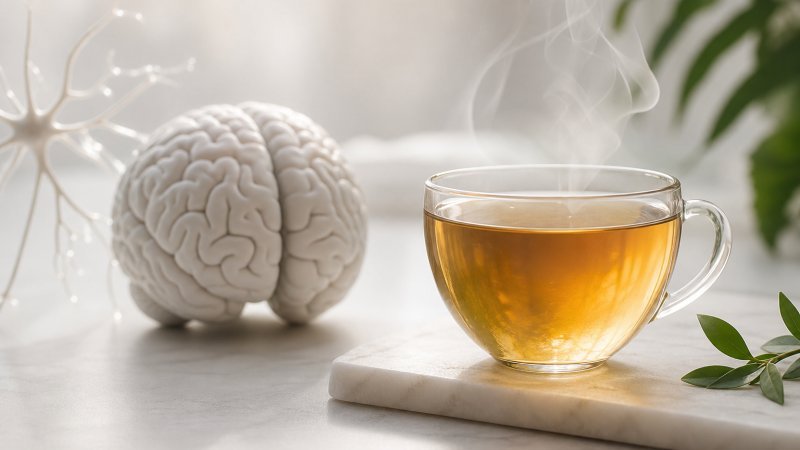
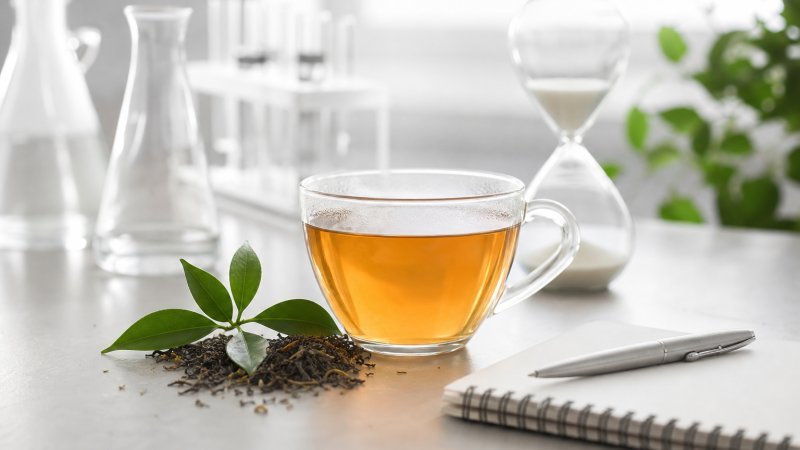
For centuries, tea has been more than a simple drink; it has become an essential ritual for wellbeing. The effect of tea on the brain fascinates both scientists and historians. In cultures such as the Chinese and Japanese, the tea ritual is deeply rooted in tradition as a form of meditation and relaxation. From a scientific viewpoint, tea contains bioactive compounds that positively influence the brain by improving cognitive function and reducing stress (Cameron et al., 2018). Visit our tea culture section for more information.
Furthermore, the combination of caffeine and L-theanine in tea has synergistic effects that promote a state of relaxed alertness, which many consider ideal for facing daily challenges (Owen et al., 2008, Nutritional Neuroscience, 11(4), 169-178). This ritualized experience, though brief, can induce a calm, receptive mental state. In essence, when you transform a simple cup of tea into a mindful moment, you are participating in a health ritual that connects you with a long tradition of conscious well-being.
L-Theanine and Polyphenols: What Tea Compounds Literally Do in Your Brain
AdvertisementYour AdSense code will appear here
Tea is full of bioactive compounds, with catechin and L-theanine being two of the most notable. Catechin is a powerful antioxidant that protects the brain from free radicals and oxidative stress. This may help improve memory and concentration. L-theanine, on the other hand, is an amino acid that promotes the production of neurotransmitters such as GABA, serotonin and dopamine, which regulate mood and promote calmness.
These compounds are not only key for the tea ritual, but also for a healthy daily routine that promotes mental clarity and emotional wellbeing. Incorporating these elements can change how you feel mentally throughout the day, offering continuous benefits with just a few minutes of dedication.
What Neuroscientists Say about Infusion as a Mindfulness Practice
Interest in the effect of tea on the brain has led to numerous studies. Research published by Feng et al. (2018) in the European Journal of Nutrition found that regular tea drinkers tend to have more efficient brain connectivity compared to non-drinkers, suggesting that tea can help maintain cognitive function over time.
Furthermore, a meta-analysis by Nguyen et al. (2020) in Nutrients analyzed several studies and concluded that regular green tea consumption is associated with a lower risk of cognitive decline and Alzheimer’s disease. These findings support the idea that even a simple daily ritual like drinking tea can have a positive long-term impact on brain function.
Your 5 Tea Minutes: How to Turn a Pause into a Neuro-Wellness Ritual
AdvertisementYour AdSense code will appear here
Incorporating tea into your day can be simple and effective. Drinking 3 to 4 cups a day is recommended to make the most of its benefits, according to the Natural Medicines Database. However, it is essential to adapt this recommendation to your personal tolerance for caffeine.
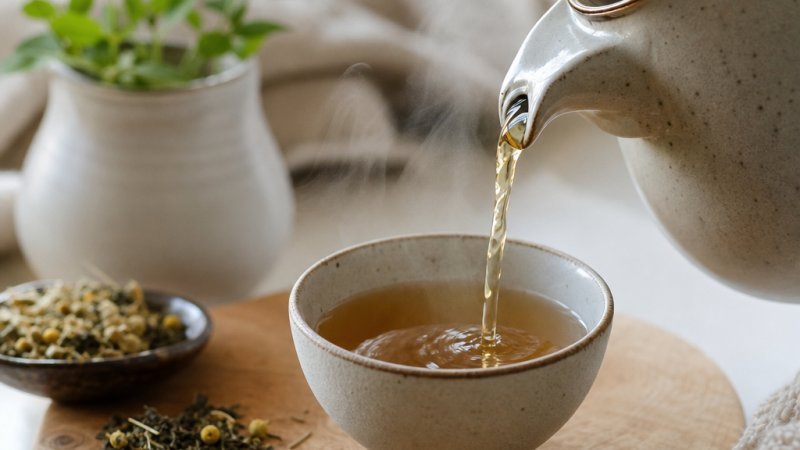
Choose a quiet moment in the day to prepare and enjoy your tea without distractions. Use hot but not boiling water to preserve the properties of the leaves and let the tea steep for 3-5 minutes. Don’t hesitate to explore different types of tea to find which resonates best with you and your needs.
Caffeine and the Nervous System: When the Tea Ritual Can Become a Negative Habit
Although tea is generally safe, there are important considerations. Pregnant or breastfeeding women should limit caffeine. Consult a doctor before changing your consumption if you have chronic health conditions or are taking medication. Green tea can interact with anticoagulants and certain medications that affect the liver.
Those allergic to tea compounds should exercise caution. As a general rule, listening to your body is the best guide to ensure a safe and beneficial experience.
From Chanoyu to Afternoon Chai: Cultures that Have Used Tea as a Ritual for Centuries
AdvertisementYour AdSense code will appear here
Tea has deep roots in diverse cultures. In traditional Chinese medicine, tea is considered to balance the “qi” or vital energy. In Ayurveda, herbal tea is recommended to balance the doshas, or body energies.
In the Arab world too, mint tea is a symbol of hospitality and is commonly consumed to aid digestion and promote calm, according to ethnobotanical studies published in the Journal of Ethnopharmacology.
Frequently Asked Questions
What benefits does tea have for the brain? The effect of tea on the brain includes improved memory, stress reduction, and enhanced concentration thanks to compounds like L-theanine and catechin.
How does a tea ritual affect mental wellbeing? The tea ritual invites calm and reduces stress, promoting a relaxed state of alertness that improves overall mental wellbeing.
How many cups of tea are recommended per day? Between 3 to 4 cups per day are recommended, but adjusting according to personal tolerance for caffeine is important.
Are there studies on the effects of tea on the brain? Yes, research has shown that tea improves brain connectivity and can reduce the risk of cognitive diseases.
What is the best type of tea for mental health? Green tea is highly valued for its cognitive benefits, although black tea and herbal teas also offer unique advantages.
Conclusion
Taking 5 minutes a day for this ritual can offer considerable benefits. The effect of tea on the brain is both an art and a science. By incorporating this ritual, you can care for your mental wellbeing in a simple and pleasurable way. Before making significant changes to your diet, remember to consult a healthcare professional.
References and Further Reading
Hidese S, et al. (2019). Effects of L-Theanine administration on stress-related symptoms and cognitive functions in healthy adults. Nutrients. 11(10):2362. DOI: 10.3390/nu11102362
Kimura K, et al. (2007). L-Theanine reduces psychological and physiological stress responses. Biol Psychol. 74(1):39-45. DOI: 10.1016/j.biopsycho.2006.06.006
Kochman J, et al. (2021). Health benefits and chemical composition of matcha green tea. Molecules. 26(1):85. DOI: 10.3390/molecules26010085
Pham NM, et al. (2014). Green tea and coffee consumption inversely associated with depressive symptoms. Public Health Nutr. 17(3):625-33. DOI: 10.1017/S1368980013000360
Kuriyama S, et al. (2006). Green tea consumption and mortality due to cardiovascular disease, cancer, and all causes in Japan. JAMA. 296(10):1255-65. DOI: 10.1001/jama.296.10.1255
Learn how to make a functional granita tea at home. Discover recipes, health benefits, preparation tips and cultural variants for this refreshing summer drink.
Can you drink tea while fasting? Discover which infusions support intermittent fasting, their scientific evidence, safety precautions and myths vs reality.
Discover lechuguilla, the strawberry tree and St John’s wort — Spanish native plants with surprising medicinal properties, scientific evidence, safety precautions and integration tips.
Compare traditional horchata and cold infusions in the battle of Spanish natural drinks. Nutritional profiles, science, preparation tips and cultural roots explored.
Make tea the star of your Saturday wellbeing ritual. Antioxidants, L-theanine, preparation tips, cultural traditions and science-backed benefits for a mindful weekend.
Discover how lavender, passionflower and valerian improve sleep quality on hot nights. Scientific evidence, preparation tips, safety precautions and cultural traditions.
Build your perfect travel infusion kit for summer. Digestive, relaxing and refreshing teas — scientific evidence, preparation tips, cultural traditions and practical advice.
Explore adaptogen teas — ginseng, ashwagandha, rhodiola — their active compounds, scientific evidence, preparation tips and cultural origins. A guide to choosing well.