The Spanish Terrace and the Tea Ritual: A Tradition that is Being Born
Almate
June 17th, 2026
No Comments
6 mins read
Share this article
The Tea Ritual on Terraces: An Emerging Tradition in Spain
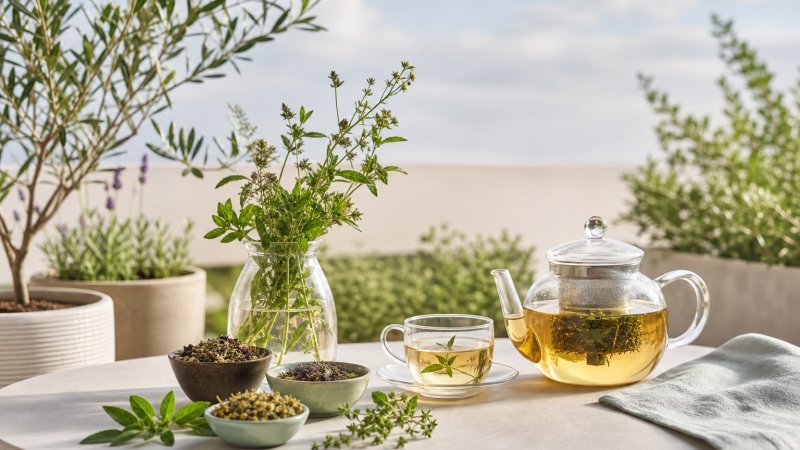
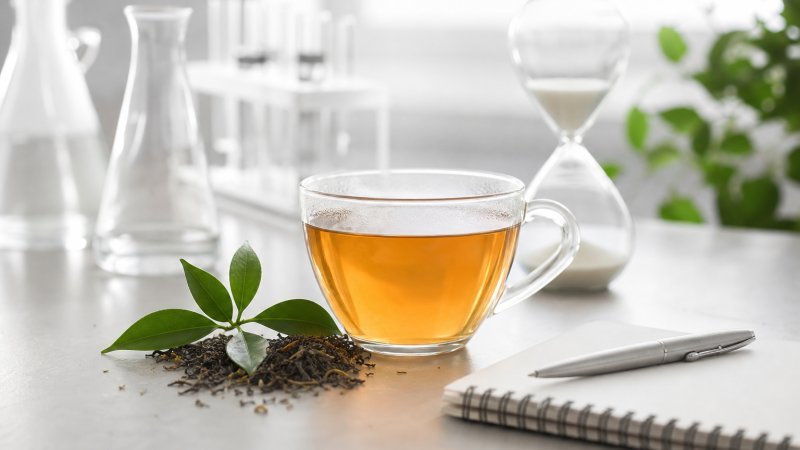
The tea ritual on terraces is gaining popularity in Spain, combining elements of tea tradition with the hospitality of Spanish terraces. Originating in cultures with a strong tea tradition, such as China and Morocco, this ritual has been adapted to Spanish culture, where social gatherings on terraces are part of everyday life. In cities such as Madrid and Barcelona, it is becoming a popular way to enjoy tea while socialising outdoors.
The adoption of tea culture in Spain reflects a growing interest in healthy and sustainable habits. According to ethnobotanical studies and traditional sources, tea has been valued for its beneficial health properties and its ability to foster socialization. This new terrace ritual not only preserves the charm of enjoying an ancestral drink, but also promotes interpersonal connections in relaxing and natural settings, which resonates with the Spanish love for outdoor activities.
L-Theanine, Polyphenols and Antioxidants: What Tea Brings to the Terrace
AdvertisementYour AdSense code will appear here
Tea contains several active components, such as polyphenols and catechins, especially prominent in varieties such as green tea. These antioxidant compounds help combat oxidative stress and can support cardiovascular health. The caffeine present also provides a moderate energy boost, fostering concentration.
The tea tradition on terraces highlights the versatility of tea as a social drink. Spanish terraces are a perfect place to enjoy personalised infusions with additional ingredients such as mint or ginger. This integrative approach to tea culture reflects the welcoming atmosphere and hospitality of Spain.
Why Drinking Tea Outdoors Amplifies its Benefits: What Science Says
The growing interest in the terrace tea ritual has generated research on its benefits. A study by Zhao et al. (2021) in the Journal of Ethnopharmacology highlighted the positive effect of tea on mental health. Furthermore, a WHO (2018) analysis showed that regular tea consumption is associated with a reduced risk of chronic diseases.
Studies on the antioxidant properties of tea, such as that by Chacko et al. (2010) in Food & Function, confirmed its capacity to improve metabolic health. These findings support incorporating tea into daily routines, promoting both physical and social wellbeing — exactly what the terrace tea ritual seeks to achieve.
Your Terrace Kit: Portable Teapots, Moorish Glasses and the Ideal Tea for Outdoors
AdvertisementYour AdSense code will appear here
To make the most of the terrace tea ritual, choose quality teas and prepare personalised blends. Start by selecting a terrace with a welcoming atmosphere that inspires relaxation and conversation. You can use a tea bag or a loose-leaf infuser for more authenticity.
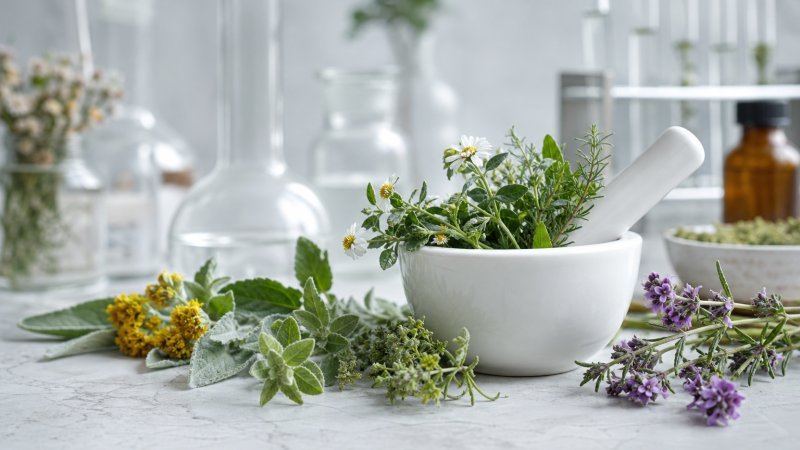
Consider infusing the tea with herbs such as mint or lemon slices. These additions not only improve the flavour but also complement its health benefits. Remember there is no standardised guide for the exact amount of tea, so adjust according to your preference and enjoy this tea tradition as a healthy social ritual.
Sun, Temperature and Caffeine: What You Should Know When Drinking Tea on a Terrace
Tea consumption is generally safe for most people, but some should exercise caution. Those sensitive to caffeine should limit their consumption to avoid insomnia or nervousness. Pregnant women and those taking anticoagulant medications should consult a healthcare professional before increasing their tea intake.
Tea allergy is rare, but it is important to consider any adverse reaction if unusual symptoms are experienced. Staying informed and consulting reliable sources can ensure the tea ritual is a positive and safe experience.
From Moorish Tea in Granada to Five O’Clock in London: When Tea Takes to the Streets
AdvertisementYour AdSense code will appear here
The traditional use of tea varies widely between cultures. In Morocco, for example, mint tea is a symbol of hospitality, and tea ceremonies are key community moments. In China, the ceremonious approach to tea reflects respect and connection.
In the Spanish context, the terrace tea ritual combines this rich cultural heritage with the love of outdoor spaces, fostering an atmosphere that unites communities and celebrates togetherness. The popularity of this practice shows an interesting fusion of local and international traditions.
Frequently Asked Questions about the Tea Ritual on Terraces
Why is the tea ritual growing in Spain? The terrace tea ritual is growing in Spain due to its ability to bring people together in a relaxed atmosphere, while enjoying the traditional and modern benefits of tea.
What makes tea on Spanish terraces unique? Tea on Spanish terraces is unique because it combines the tea tradition with the social and welcoming terrace lifestyle, creating a moment of togetherness and enjoyment.
How is the terrace tea ritual celebrated? The terrace tea ritual is celebrated by sharing personalised infusions in an outdoor setting, fostering conversation and relaxation among friends.
What types of tea are popular on Spanish terraces? Green teas, black teas and herbal infusions are popular on Spanish terraces, often enriched with local ingredients such as mint or citrus fruits.
How does Spanish culture influence the tea ritual? Spanish culture, with its appreciation of sociability and outdoor spaces, promotes a tea ritual that is both a social experience and a moment of personal relaxation.
Conclusion: Joining the Tea Ritual on Terraces
The terrace tea ritual has found its place in Spain, offering an experience that unites tradition, wellbeing and socialisation. Participating in this terrace tea ritual can be a charming way to integrate into a new social trend that emphasises quality of life. Always remember to consult a healthcare professional before introducing important changes to your diet or lifestyle.
References and Further Reading
Hidese S, et al. (2019). Effects of L-Theanine administration on stress-related symptoms and cognitive functions in healthy adults. Nutrients. 11(10):2362. DOI: 10.3390/nu11102362
Kochman J, et al. (2021). Health benefits and chemical composition of matcha green tea. Molecules. 26(1):85. DOI: 10.3390/molecules26010085
Kuriyama S, et al. (2006). Green tea consumption and mortality due to cardiovascular disease, cancer, and all causes in Japan. JAMA. 296(10):1255-65. DOI: 10.1001/jama.296.10.1255
Pham NM, et al. (2014). Green tea and coffee consumption inversely associated with depressive symptoms. Public Health Nutr. 17(3):625-33. DOI: 10.1017/S1368980013000360
Learn how to make a functional granita tea at home. Discover recipes, health benefits, preparation tips and cultural variants for this refreshing summer drink.
Can you drink tea while fasting? Discover which infusions support intermittent fasting, their scientific evidence, safety precautions and myths vs reality.
Discover lechuguilla, the strawberry tree and St John’s wort — Spanish native plants with surprising medicinal properties, scientific evidence, safety precautions and integration tips.
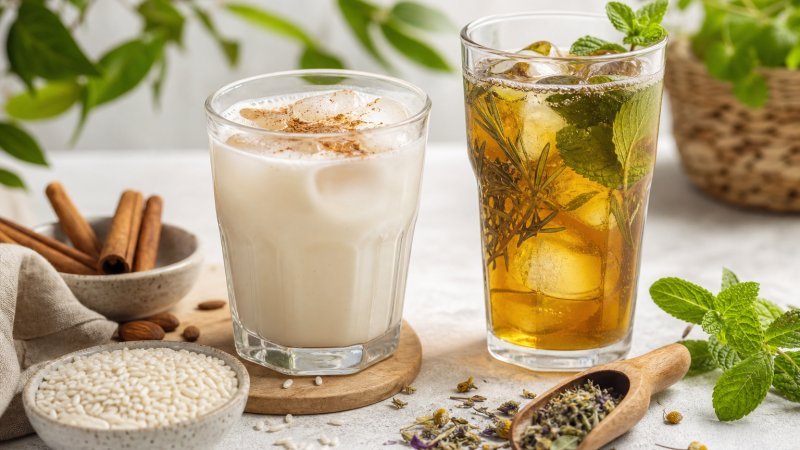
Compare traditional horchata and cold infusions in the battle of Spanish natural drinks. Nutritional profiles, science, preparation tips and cultural roots explored.
Make tea the star of your Saturday wellbeing ritual. Antioxidants, L-theanine, preparation tips, cultural traditions and science-backed benefits for a mindful weekend.
Discover how lavender, passionflower and valerian improve sleep quality on hot nights. Scientific evidence, preparation tips, safety precautions and cultural traditions.
Build your perfect travel infusion kit for summer. Digestive, relaxing and refreshing teas — scientific evidence, preparation tips, cultural traditions and practical advice.
Explore adaptogen teas — ginseng, ashwagandha, rhodiola — their active compounds, scientific evidence, preparation tips and cultural origins. A guide to choosing well.