Iced Tea Recipe with Blood Orange and Cinnamon: Impress Your Guests
Almate
June 17th, 2026
No Comments
6 mins read
Share this article
The Origin and Appeal of Blood Orange and Cinnamon Tea
Blood orange and cinnamon are ingredients steeped in history and tradition. The blood orange, native to the Mediterranean, is known for its vibrant colour and sweet citrus flavour with a hint of raspberry. This fruit, rich in antioxidants, has been used for centuries both in cooking and in traditional medicine. Cinnamon, on the other hand, has been prized since antiquity across diverse cultures, from ancient Egypt to Asia and Europe, for its aromatic and therapeutic properties.
Combining these two ingredients to make an iced tea offers not only a refreshing drink, but also potential health benefits. The tradition of blending herbs and fruits for teas and infusions is common in many cultures. In blood orange and cinnamon tea, the modern foodie world meets ancient plant-based wellness practices. This blend not only satisfies the palate, but also represents a bridge between tradition and culinary innovation.
Anthocyanins, Cinnamaldehyde and Vitamin C: What Orange and Cinnamon Provide
AdvertisementYour AdSense code will appear here
Blood orange is rich in vitamin C, anthocyanins and flavonoids. Vitamin C is well known for its role in strengthening the immune system. Anthocyanins, which give blood orange its characteristic colour, act as powerful antioxidants, fighting cellular damage and reducing inflammation. Flavonoids contribute to improved cardiovascular health by helping to reduce blood pressure.
Cinnamon is famous for its content of cinnamaldehyde, which gives it both its unmistakable aroma and its health benefits. This compound has antimicrobial and anti-inflammatory properties, helping to combat bacteria and reduce the risk of chronic diseases. Furthermore, cinnamon has been shown to help regulate blood sugar levels, making it useful for people at risk of diabetes.
What Studies Show about Blood Orange and Cinnamon
A relevant study on the properties of blood orange was conducted by Tarozzi et al. (2009), published in Food and Chemical Toxicology. The study indicates that blood orange consumption improves antioxidant markers in the body (DOI: 10.1016/j.fct.2009.10.043). As for cinnamon, a meta-analysis by Lu et al. (2012) in the Journal of Medicinal Food shows that cinnamon can help improve glycemic control markers.
Additionally, the EMA monograph describes the traditional uses of cinnamon to improve digestion and reduce bloating (EMA, 2011). These studies and evaluations confirm that integrating these ingredients into a cold tea is not only tasty but also beneficial for health.
How to Prepare and Enjoy Blood Orange and Cinnamon Iced Tea
AdvertisementYour AdSense code will appear here
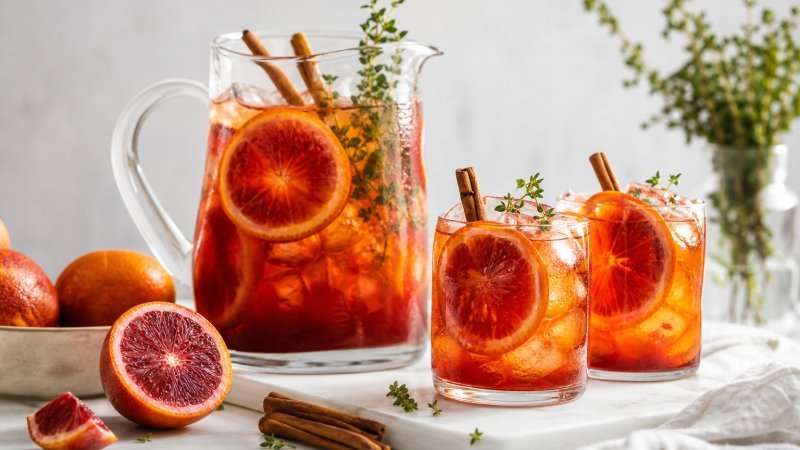
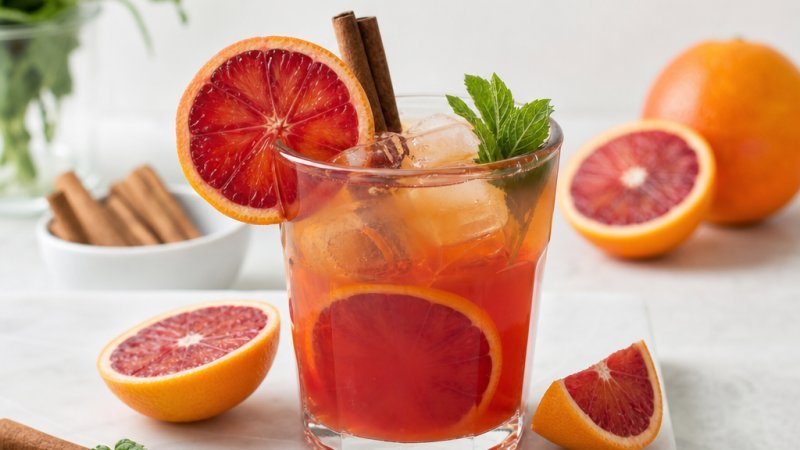
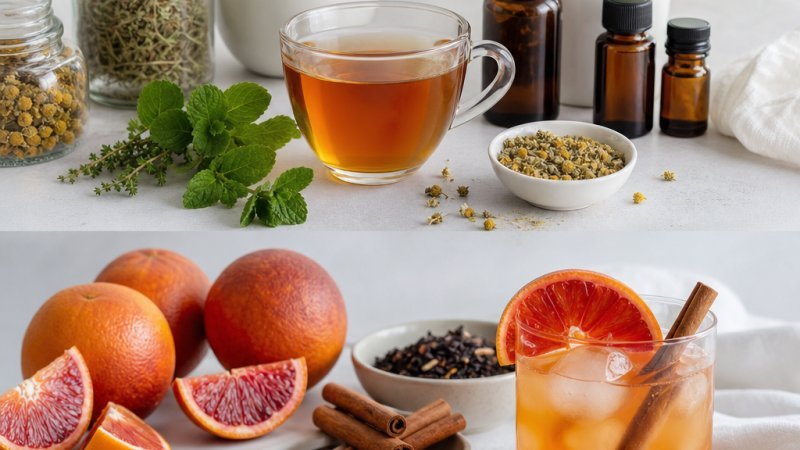
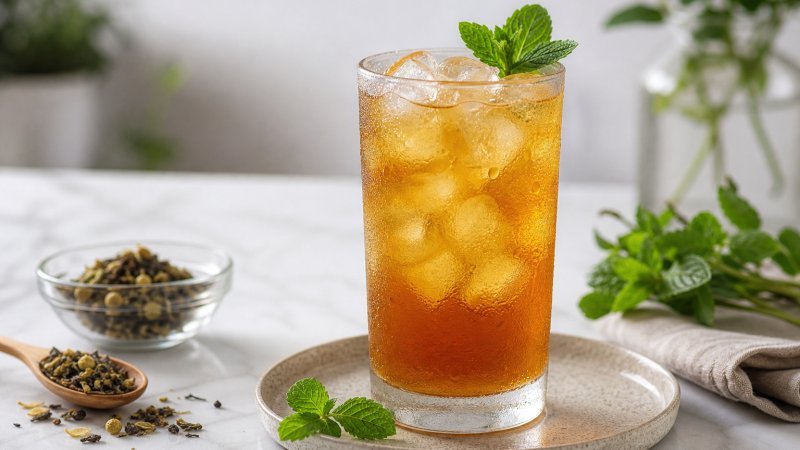
To prepare this refreshing tea, you will need a blood orange, a cinnamon stick, and black or green tea as a base. Start by brewing a litre of tea using 4 tea bags in hot water. Add the cinnamon stick to the hot water to release its flavour. Allow the tea to cool to room temperature, then add the juice of a blood orange.
Then refrigerate the mixture and, when serving, garnish with orange slices and a little ice. This drink can be enjoyed at any time of day, but is especially refreshing on hot summer afternoons. The combination of antioxidants from the orange and the metabolic benefits of cinnamon make this tea a healthy and delicious option.
Too Much Cinnamon and Other Precautions: What You Need to Know
Although these ingredients are generally safe, some people should be cautious. Cinnamon, in large quantities, can cause irritation to the mucous membranes or interact with diabetes medications or anticoagulants. People with citrus allergies should avoid blood orange.
It is always advisable to consult a health professional before introducing new ingredients into your diet, especially if you are pregnant, have pre-existing medical conditions or are taking medications. Keep consumption moderate and within daily recommendations.
Traditional and Cultural Uses of Orange and Cinnamon
AdvertisementYour AdSense code will appear here
In traditional Chinese medicine, oranges have been used to stimulate digestion and improve vital energy (Qi). Cinnamon, a staple of Indian Ayurvedic medicine, is known for warming the body and improving blood flow. These traditional uses highlight the capacity of both ingredients to balance and strengthen the body.
Furthermore, in traditional European medicine, cinnamon has been used to treat respiratory and digestive conditions, according to practices documented by Dioscorides in his work De Materia Medica. These cultural approaches reflect the rich history of these ingredients around the world.
Frequently Asked Questions about Blood Orange and Cinnamon Tea
Can I use honey instead of sugar to sweeten this tea? Yes, honey is an excellent alternative to sugar and adds a richer flavour. Remember to use it in moderation.
Will this tea help me lose weight? It can be part of a balanced diet thanks to its components that support digestion and metabolism, but it should not be relied on exclusively for weight loss.
What type of tea should I use as a base? Both black and green tea work well, depending on your personal preference for a stronger or milder flavour profile.
Is it safe for children? Generally yes, but use smaller amounts of cinnamon and consult a paediatrician if you have any concerns.
Can I prepare this tea in advance? Yes, you can prepare it the day before and store it in the refrigerator to keep it fresh.
Conclusion
Blood orange and cinnamon iced tea is not only refreshing and delicious, but also offers health benefits thanks to its natural ingredients. Experiment with this recipe and impress your guests on any occasion. Always remember to consult a health professional before making significant changes to your diet.
References and Further Reading
Allen RW, et al. (2013). Cinnamon use in type 2 diabetes: an updated systematic review and meta-analysis. Ann Fam Med. 11(5):452-9. DOI: 10.1370/afm.1517
Kawatra P, Rajagopalan R (2015). Cinnamon: Mystic powers of a minute ingredient. Pharmacognosy Res. 7(Suppl 1):S1-6. PubMed: 26109781
Russo M, et al. (2014). Hesperidin in sweet orange: evidence for a role in reducing cardiovascular risk. Crit Rev Food Sci Nutr. 54(10):1342-53. DOI: 10.1080/10408398.2013.862001
Mannucci C, et al. (2018). Clinical pharmacology of Citrus aurantium and Citrus sinensis for the treatment of anxiety. Evid Based Complement Alternat Med. 2018:3624094. DOI: 10.1155/2018/3624094
Learn how to make a functional granita tea at home. Discover recipes, health benefits, preparation tips and cultural variants for this refreshing summer drink.
Can you drink tea while fasting? Discover which infusions support intermittent fasting, their scientific evidence, safety precautions and myths vs reality.
Discover lechuguilla, the strawberry tree and St John’s wort — Spanish native plants with surprising medicinal properties, scientific evidence, safety precautions and integration tips.
Compare traditional horchata and cold infusions in the battle of Spanish natural drinks. Nutritional profiles, science, preparation tips and cultural roots explored.
Make tea the star of your Saturday wellbeing ritual. Antioxidants, L-theanine, preparation tips, cultural traditions and science-backed benefits for a mindful weekend.
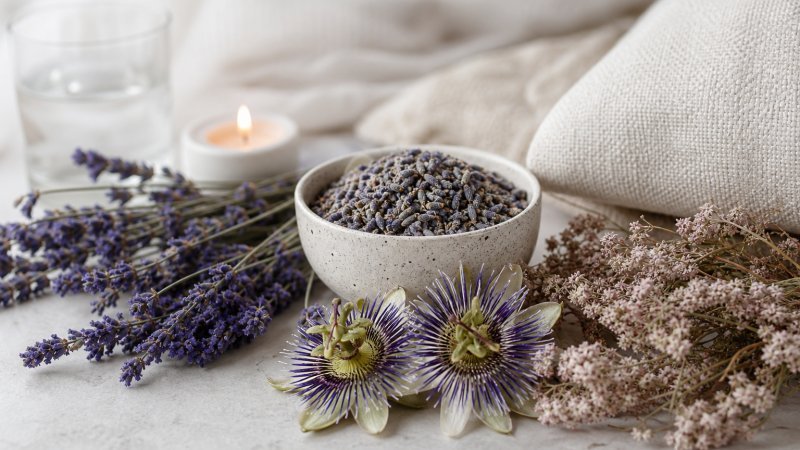
Discover how lavender, passionflower and valerian improve sleep quality on hot nights. Scientific evidence, preparation tips, safety precautions and cultural traditions.
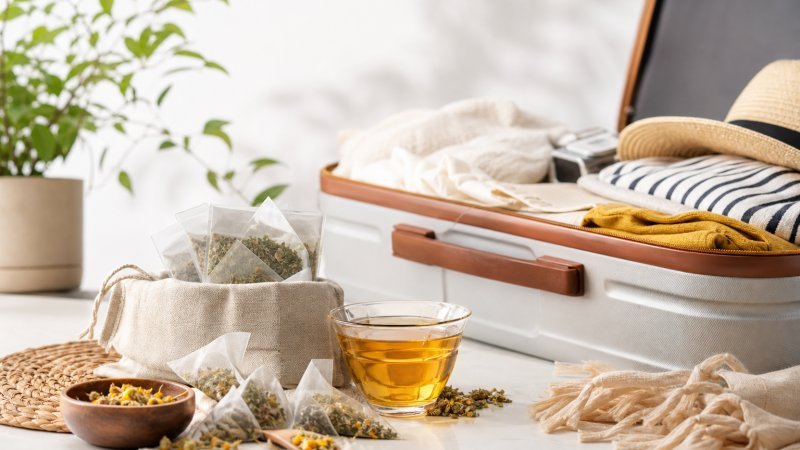
Build your perfect travel infusion kit for summer. Digestive, relaxing and refreshing teas — scientific evidence, preparation tips, cultural traditions and practical advice.
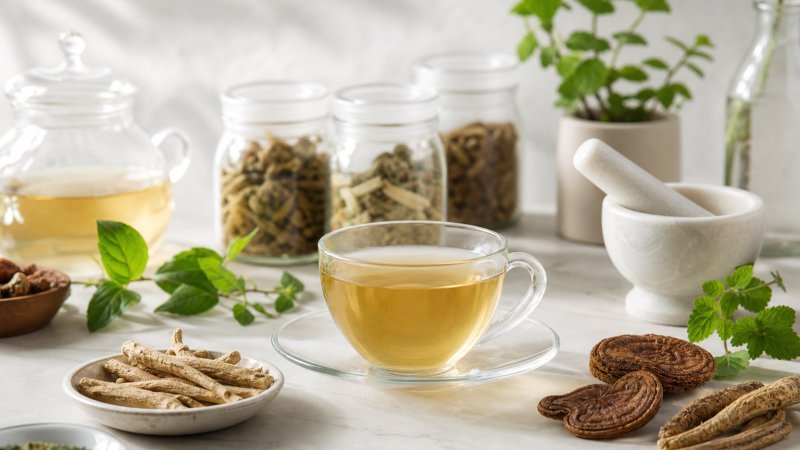
Explore adaptogen teas — ginseng, ashwagandha, rhodiola — their active compounds, scientific evidence, preparation tips and cultural origins. A guide to choosing well.