Summer Solstice and Plants of the Light: History, Culture and Real Wellbeing
Almate
June 17th, 2026
No Comments
5 mins read
Share this article
The Summer Solstice: Myths, History and Meaning
The summer solstice, celebrated since ancient times, marks the longest day of the year. Cultures around the world have honoured this astronomical event with festivals and rituals. For example, in ancient Europe, the Celtic peoples celebrated Litha, a festival marking the abundance of sunlight, essential for the harvest. Similarly, the Egyptians associated this period with the rise of the River Nile, vital for their agriculture.
The indigenous peoples of the Americas also venerated this moment. For the Incas, the sun was a god and the solstice symbolised renewal and life. Today, many cultures continue these traditions, not only for their cultural significance but also for their role in emotional and spiritual wellbeing, offering a moment for reflection and connection with nature.
Hypericin, Linalool and Polyphenols: What Solstice Plants Contain
AdvertisementYour AdSense code will appear here
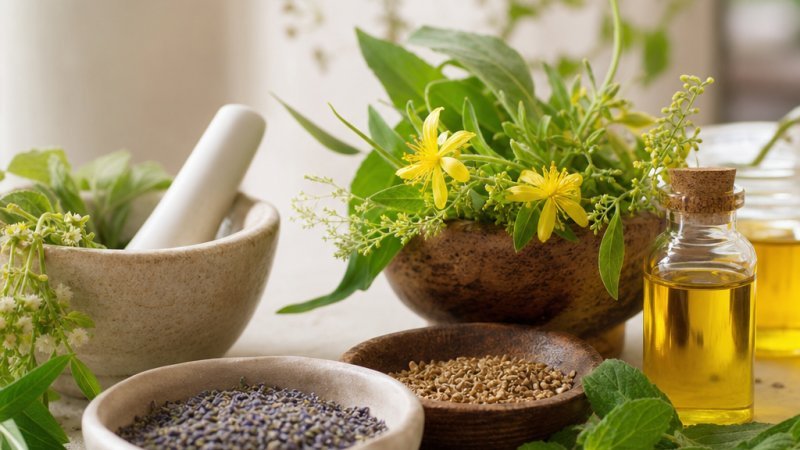
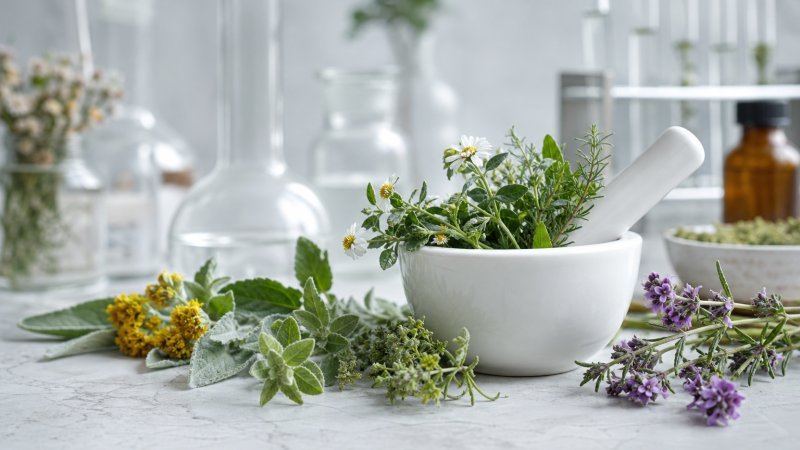
The “Plants of Light”, associated with the summer solstice, tend to contain components that reflect their vitality. St John’s wort contains hypericin and hyperforin, active compounds that promote mental well-being. These chemicals act by modulating neurotransmitters, offering potential antidepressant effects.
Another notable plant is calendula, rich in flavonoids that have antioxidant properties, helping to protect cells from damage. These plants also often have essential oils that benefit the immune system, promoting general health.
What Science Says about St John’s Wort, Lavender and Midsummer Plants
Several studies support the benefits of solstice-related plants. Müller (2005) in the Journal of Clinical Psychopharmacology found that St John’s wort extract can relieve symptoms of mild to moderate depression (PMID: 15738753). The antioxidant compounds in calendula have been studied by Preethi et al. (2006) (PMID: 11145612).
Furthermore, an examination of the anti-inflammatory properties of calendula by Della Loggia et al. (1994) demonstrated its efficacy in experimental models (DOI: 10.1002/ptr.2650080109). This evidence reinforces the traditional and modern use of these plants in promoting wellbeing.
Practical Uses and Recommendations for the Solstice
AdvertisementYour AdSense code will appear here
A St John’s wort infusion is popular for its calming effects. It is recommended to use 1–2 grams of dried plant per cup of boiling water, consumed once or twice a day. Consulta una fuente oficial como la EMA para dosis seguras (EMA).
For calendula, its oil can be applied to the skin to relieve irritations. It is important to do a patch test first. Garlands of flowers from these plants in solstice rituals are considered a way of capturing solar energy for personal renewal.
St John’s Wort and Photosensitivity: Real Precautions with Plants of the Light
The use of St John’s wort can interact with certain medications, including antidepressants, contraceptives and anticoagulants. It is essential to consult a health professional before use. People with allergies to Asteraceae plants should avoid calendula.
Pregnant or breastfeeding women should consult a specialist before using these plants, as there are insufficient specific studies on their safety during these periods.
Traditional and Cultural Uses of the Solstice
AdvertisementYour AdSense code will appear here
In European cultures, the collection of herbs during the solstice was considered special, believing that their properties were intensified. In Tibb al-Nabawi, certain herbs were used for spiritual and physical protection.
In Amazonian folklore, plants related to the sun were used for healing rituals, symbolising strength and purification. These cultural uses reflect a deep connection between humanity and nature.
Frequently Asked Questions about the Solstice and Plants of the Light
Why are plants collected during the summer solstice? It is believed that plants have increased energetic power during the solstice, enhancing their healing properties.
Can St John’s wort replace antidepressant medication? It should not replace prescribed treatments. Always consult a doctor.
How is calendula traditionally used? It is used as an infusion or in skin ointments, making use of its anti-inflammatory properties.
What modern traditions celebrate the summer solstice? Many cultures still celebrate with dances, fire and symbolic rituals, continuing ancient practices.
Are these plants safe for children? Always consult a paediatrician before use in children, as doses and effects may differ.
Conclusion: The Magic of the Solstice and Its Connection with Plants
The summer solstice offers a wonderful opportunity to connect with nature and celebrate its abundance. The associated plants, such as St John’s wort and calendula, have benefits supported by science and tradition. Enjoy these botanical wonders mindfully and always consult a health professional before making changes to your routine.
Learn how to make a functional granita tea at home. Discover recipes, health benefits, preparation tips and cultural variants for this refreshing summer drink.
Can you drink tea while fasting? Discover which infusions support intermittent fasting, their scientific evidence, safety precautions and myths vs reality.
Discover lechuguilla, the strawberry tree and St John’s wort — Spanish native plants with surprising medicinal properties, scientific evidence, safety precautions and integration tips.
Compare traditional horchata and cold infusions in the battle of Spanish natural drinks. Nutritional profiles, science, preparation tips and cultural roots explored.
Make tea the star of your Saturday wellbeing ritual. Antioxidants, L-theanine, preparation tips, cultural traditions and science-backed benefits for a mindful weekend.
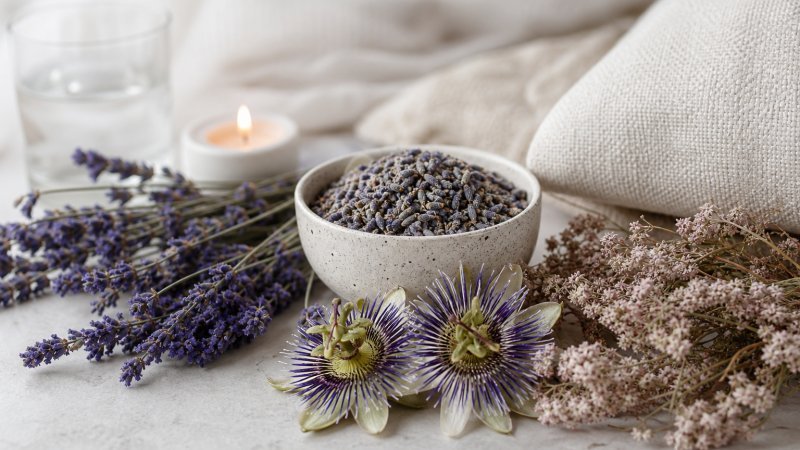
Discover how lavender, passionflower and valerian improve sleep quality on hot nights. Scientific evidence, preparation tips, safety precautions and cultural traditions.
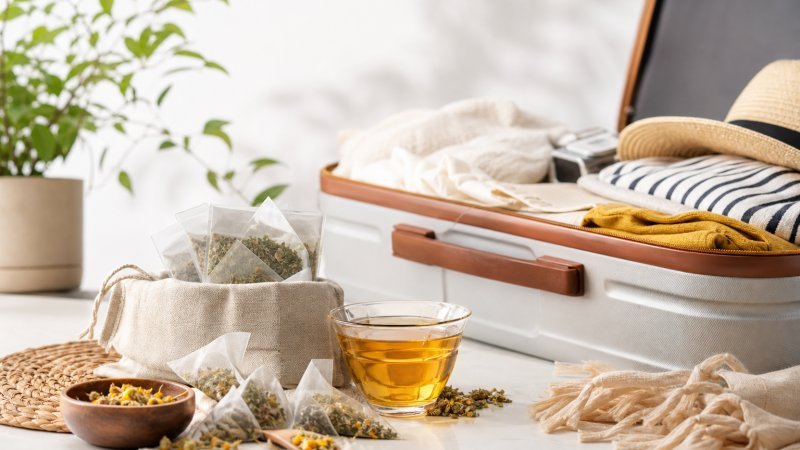
Build your perfect travel infusion kit for summer. Digestive, relaxing and refreshing teas — scientific evidence, preparation tips, cultural traditions and practical advice.
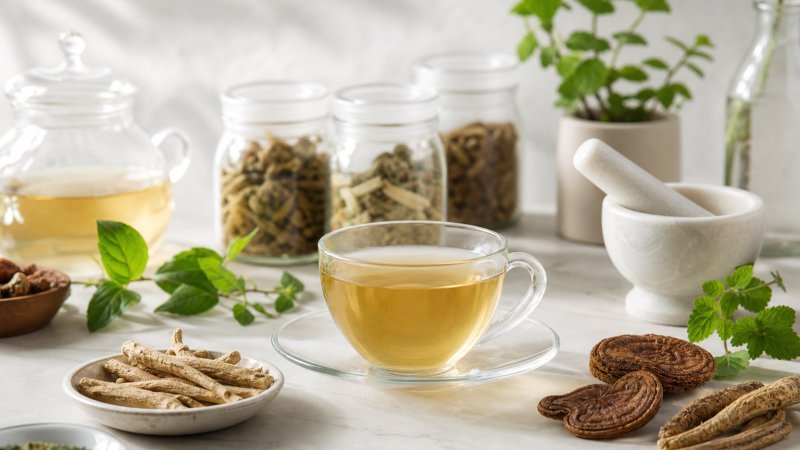
Explore adaptogen teas — ginseng, ashwagandha, rhodiola — their active compounds, scientific evidence, preparation tips and cultural origins. A guide to choosing well.