Why Verbena is the Queen Plant of the Spanish Summer
Almate
June 17th, 2026
No Comments
5 mins read
Share this article
Verbena Benefits in Summer: The Queen Plant of the Season
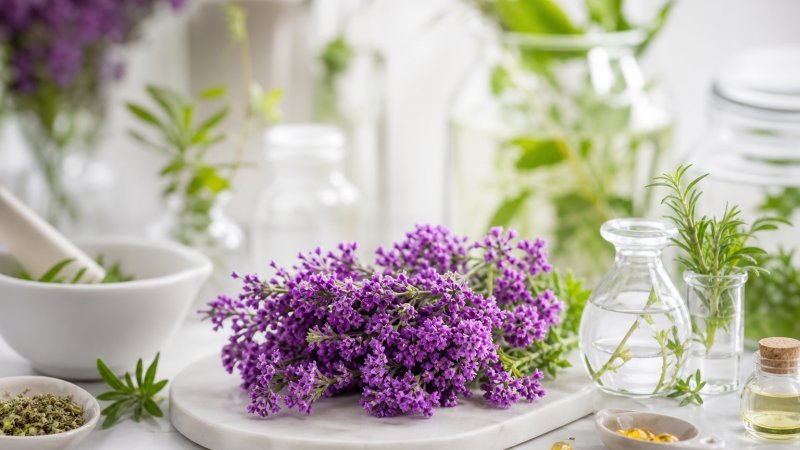
Verbena, known in many cultures as the “plant of love”, has a rich history linked to ancient traditions. This plant has been appreciated in various cultures due to its supposed summer health and well-being benefits. In ancient times, it was considered sacred and used in rituals to attract love and protect against the evil eye. Today, verbena remains popular in Spain and other Mediterranean countries, not only as a natural remedy but also as a refreshing ingredient in drinks and baths.
From a scientific standpoint, verbena (Verbena officinalis) has been studied for its possible anti-inflammatory and calming properties. Although scientific support is varied, modern research continues to explore its potential as a natural agent supporting seasonal health. In summer, verbena stands out for its applications to refresh and relieve minor discomforts, making it one of the most widely used summer plants.
Verbenalin, Linalool and Flavonoids: The Active Secrets of Verbena
The verbena benefits in summer are largely due to its active components. The main one is verbenalin, a glycoside believed to have anti-inflammatory properties. Another important component is ursolic acid, known for its potential antioxidant effects.
At a practical level, these components can help calm the skin and relieve minor body tensions caused by summer heat. Verbena also contains flavonoids, compounds that can help protect cells from oxidative damage, although it is always important to remember that these actions in humans require further research.
What Science Knows about Verbena and its Calming Properties
Regarding scientific evidence, several studies have been conducted on verbena. A study in the Journal of Ethnopharmacology (2020) highlighted its anti-inflammatory properties, but underlined the need for more research to confirm these effects in humans (PMID: 32298765). The European Medicines Agency (EMA) recognizes the use of verbena traditionally to treat mild digestive disorders, while also noting that there is little solid clinical evidence (EMA, 2016).
Its calming effect and anti-stress potential have also been investigated, although these studies are preliminary. In traditional European medicine, and texts such as those of Culpeper, verbena is mentioned as a useful plant for a variety of minor ailments, suggesting a long history of traditional use, though not always supported by conclusive modern science.
How to Use Verbena and Practical Recommendations
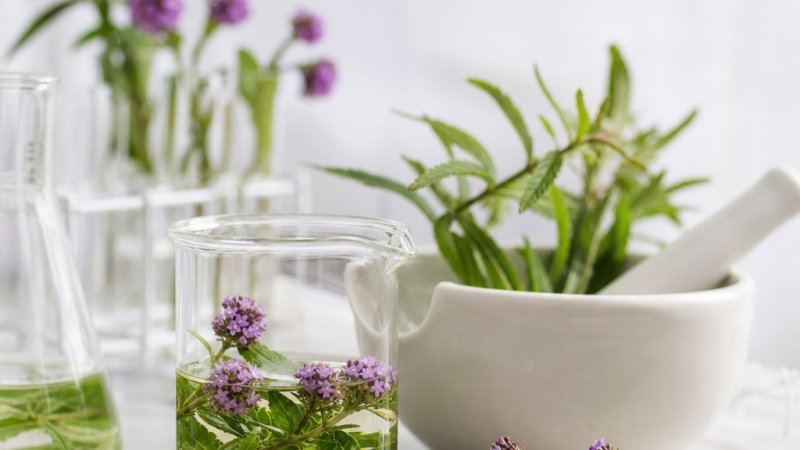
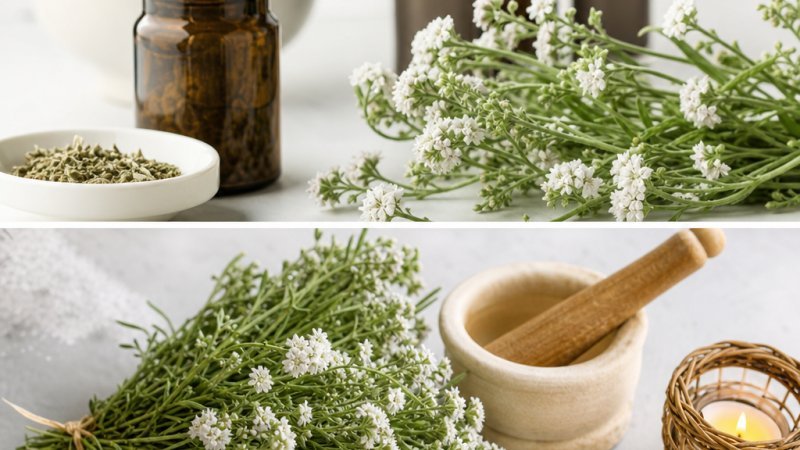
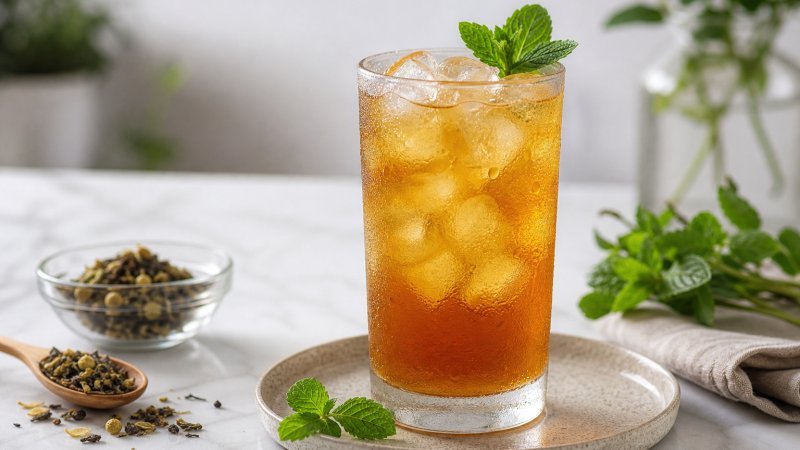
To make the most of verbena benefits in summer, prepare an infusion using the dried leaves of the plant. A typical dose could be one teaspoon of dried leaves per cup of hot water, left to steep for 5–10 minutes. However, it is essential to follow specific product quality and purity instructions, and consult a health professional before starting any regular use.
Verbena is also available as essential oils, which can be used in aromatherapy. Another option is to include it in refreshing baths, ideal for relieving the effects of summer heat. Always follow manufacturer instructions and use products from trusted sources.
Safety, Precautions and Contraindications of Verbena
Verbena is generally safe for most people when consumed in typical food or beverage amounts. However, pregnant or breastfeeding women should avoid its use, as sufficient information about its safety in these circumstances is not available. Those taking medications, especially anticoagulants, should consult a doctor before using verbena due to possible interactions.
It is always advisable to perform an allergy test when using topically for the first time. Professional consultation is essential when considering verbena as a complement to an existing health treatment.
Midsummer Night and Verbena: The Magic Plant of the Spanish Summer
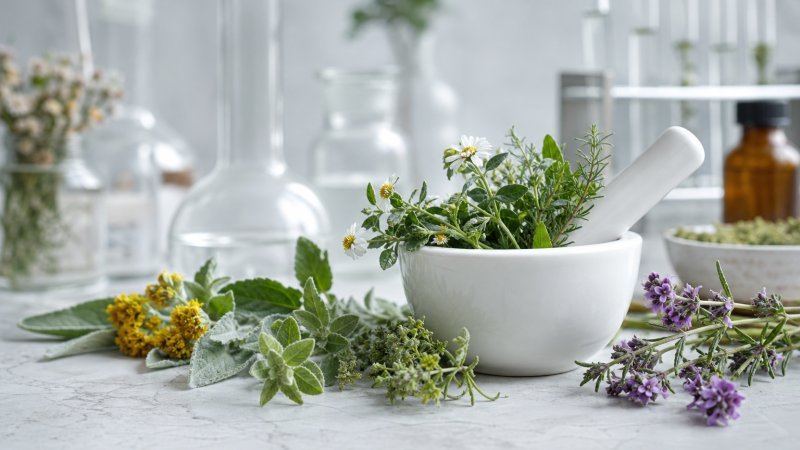
In traditional European medicine, verbena was used for various ailments, including throat inflammations and headache. Culpeper, in his famous “Complete Herbal”, mentions its use for digestive and nervous problems. In the Iberian context, verbena was part of rituals and celebrations, considered a magical plant with protective qualities.
In Ayurveda, although not a primary herb, it is used in remedies to balance doshas, or vital energies, and is attributed properties for calming the nervous system. These cultural uses enrich the modern perception of verbena as a multi-purpose plant.
Frequently Asked Questions about Verbena
What are the benefits of verbena? Verbena is noted for its possible anti-inflammatory and calming effects, as well as its ability to refresh and relieve minor summer discomforts.
How is verbena used in summer? It can be used in infusions, baths, or through essential oils to take advantage of its summer benefits.
Is verbena safe to consume? In general, yes, but recommended doses should be followed and a professional consulted in case of pregnancy or medical conditions.
What properties does verbena have? It includes anti-inflammatory, antioxidant and calming properties, although more studies are required to validate all its uses.
Is verbena good for health in summer? Yes, among the verbena benefits in summer is its ability to calm and refresh on hot days.
Conclusion
In summary, verbena is a valuable option for those seeking natural summer remedies. Its verbena benefits in summer, such as its potential calming and refreshing effects, make it a highly appreciated plant. It is always best to consult a health professional before starting any extensive use of verbena.
References and Further Reading
EMA HMPC (2014). Community herbal monograph on Verbena officinalis L., herba. European Medicines Agency. EMA Monograph
Shakeri A, Sahebkar A, Javadi B (2016). Melissa officinalis L.: a review of its traditional uses, phytochemistry and pharmacology. J Ethnopharmacol. 188:204-28. DOI: 10.1016/j.jep.2016.05.010
Learn how to make a functional granita tea at home. Discover recipes, health benefits, preparation tips and cultural variants for this refreshing summer drink.
Can you drink tea while fasting? Discover which infusions support intermittent fasting, their scientific evidence, safety precautions and myths vs reality.
Discover lechuguilla, the strawberry tree and St John’s wort — Spanish native plants with surprising medicinal properties, scientific evidence, safety precautions and integration tips.
Compare traditional horchata and cold infusions in the battle of Spanish natural drinks. Nutritional profiles, science, preparation tips and cultural roots explored.
Make tea the star of your Saturday wellbeing ritual. Antioxidants, L-theanine, preparation tips, cultural traditions and science-backed benefits for a mindful weekend.
Discover how lavender, passionflower and valerian improve sleep quality on hot nights. Scientific evidence, preparation tips, safety precautions and cultural traditions.
Build your perfect travel infusion kit for summer. Digestive, relaxing and refreshing teas — scientific evidence, preparation tips, cultural traditions and practical advice.
Explore adaptogen teas — ginseng, ashwagandha, rhodiola — their active compounds, scientific evidence, preparation tips and cultural origins. A guide to choosing well.
We use our own cookies to keep the shop working (language, basket and checkout), to measure anonymously how the site is used, and to know which channel brought you here. We do not use advertising or profiling, and we do not share this data with third parties.
Functional
Always active
This technical storage is strictly necessary for the site to work: keeping your language, your basket and your checkout session. Without it you cannot complete an order.
Preferences
The technical storage or access is necessary for the legitimate purpose of storing preferences that are not requested by the subscriber or user.
Statistics
Our own anonymous measurement of page views and visits, so we can understand which content is useful. It is not shared with anyone and is not used to build profiles.The technical storage or access that is used exclusively for anonymous statistical purposes. Without a subpoena, voluntary compliance on the part of your Internet Service Provider, or additional records from a third party, information stored or retrieved for this purpose alone cannot usually be used to identify you.
Order attribution
Records which channel brought you to the shop (a search engine, a link or a campaign) so an order can be attributed to its source. It is not used for advertising or commercial profiling.