Light Digestion in Summer: The Infusions that Really Work
Almate
June 17th, 2026
No Comments
6 mins read
Share this article
From Ginger to Fennel: History of Digestive Infusions in the Mediterranean
During summer, many people look for natural ways to facilitate light digestion. Digestive infusions have always been a popular and effective alternative. In various cultures, they have been used since ancient times to calm the stomach after heavy meals. For example, in traditional European herbalism, chamomile and mint are commonly used for their calming and digestive properties (Duke, 2002).
Indian Ayurvedic medicine also highlights the use of ginger and fennel for their digestive benefits. These traditions agree that certain plant components can help relax the muscles of the digestive tract and relieve bloating and discomfort. On the hottest days, infusions not only help digestion, but also act as refreshing drinks. Thus, digestive infusions in summer are not just a passing trend, but a practice backed by centuries of traditional use.
Gingerol, Anethole and Essential Oils: The Actives that Improve Your Digestion
Natural digestive infusions owe their efficacy to specific active components. For example, mint contains menthol, which has relaxing properties on the digestive tract. This component helps reduce spasms and relieve bloating. Ginger, on the other hand, contains gingerols and shogaols, which promote gastric emptying and relieve nausea (Bone & Mills, 2000).
Another popular infusion is fennel, rich in anethole, a substance that can help reduce gas and prevent discomfort. These components work together to promote light digestion, improving stomach comfort. When choosing natural infusions, it is essential to know these active ingredients, as each plays a particular role in the digestive process.
What Science Confirms: Ginger, Mint and Fennel Against Poor Digestion
Scientific research supports many of the benefits traditionally attributed to digestive infusions. A study published in the Journal of Ethnopharmacology found that chamomile tea has significant effects in reducing indigestion and bloating (Srivastava, 2010). Furthermore, the EMA review on ginger highlights its antiemetic properties, useful for relieving nausea and improving digestion (EMA, 2017).
Another relevant study, published in “Phytomedicine”, shows how fennel can reduce symptoms of abdominal bloating and facilitate more comfortable digestion (Bordet, 2000). These scientific findings lend credibility to traditional practices, demonstrating that digestive infusions are more than home remedies; they are solutions backed by evidence of their efficacy. Therefore, when used appropriately, they contribute to well-being during the hottest months of the year.
Which Infusion to Take for Your Digestive Problem: A Summer Guide
To benefit from digestive infusions, it is important to prepare them correctly. Mint infusion can be prepared by adding a teaspoon of dried leaves in a cup of hot water for 5–10 minutes. For ginger, cut a few thin slices of fresh root and leave them to steep in hot water for at least 10 minutes. This method allows the release of their active components.
There is no precise standardised dose, but it is generally recommended to consume between one and three cups a day, preferably after meals. During summer, you can also cool these infusions to enjoy refreshing light drinks that support your digestion. Always consult a health professional to adapt them to your specific needs, especially if you have pre-existing medical conditions.
Pregnancy, Anticoagulants and Digestion: The Contraindications that Matter
Although digestive infusions are natural, they are not suitable for everyone. Pregnant people should consult a doctor before using some herbs such as ginger in large quantities, due to their stimulating effects. Mint can relax the oesophageal sphincter, so those suffering from acid reflux should consume it with caution.
Furthermore, some components can interact with medications. For example, ginger could enhance the effect of anticoagulant medications. It is always advisable to speak with a health professional before incorporating new infusions into your diet, especially if you are taking medication or have chronic health conditions.
From Ayurveda to the Mediterranean: Digestive Infusion as a Millenary Tradition
In Chinese tradition, ginger tea is highly regarded as a remedy for stomach problems. In Mediterranean culture, chamomile is a calming remedy that has been used for centuries to facilitate digestion after large meals. Moroccan tradition uses mint tea not only as a social drink but also for its beneficial effects on digestion.
These traditions highlight that infusions are not just drinks, but also part of a comprehensive cultural approach to wellbeing. Each culture has its own unique approach, but the effectiveness of these practices is shared through oral and written traditions that persist to this day.
Frequently Asked Questions about Digestive Infusions
What are the best infusions for digestion? Some of the best digestive infusions include ginger, mint and chamomile. These herbs are popular for their properties in promoting light digestion.
How to prepare an infusion to improve digestion? Infusions such as mint tea are prepared with a teaspoon of dried leaves in hot water for 5–10 minutes. Fresh ginger is sliced and left to infuse in hot water.
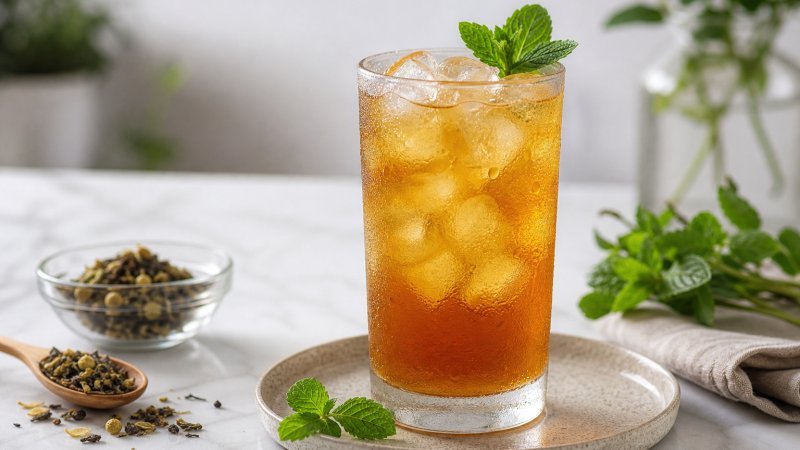
Which infusions help you feel lighter in summer? In summer, infusions such as cold ginger tea or cold mint tea can be refreshing and help with light digestion.
Do infusions really improve digestion? Yes, studies have shown that infusions such as ginger and chamomile can help improve digestion and reduce symptoms such as bloating.
When is it best to take digestive infusions? Digestive infusions are generally recommended after meals to facilitate digestion and prevent discomfort.
Conclusion
Incorporating digestive infusions into your summer routine can be a natural and effective way to promote digestive wellbeing. From ancient traditions to modern research, these home remedies continue to prove their value. However, remember to consult a qualified health professional to make sure these options are right for you. Enjoy light digestion this summer with effective and refreshing infusions.
References and Further Reading
Mashhadi NS, et al. (2013). Anti-oxidative and anti-inflammatory effects of ginger in health and physical activity: review of current evidence. Int J Prev Med. 4(Suppl 1):S36-42. PMID: 23717767
Pittler MH, Ernst E (1998). Peppermint oil for irritable bowel syndrome: a critical review and metaanalysis. Am J Gastroenterol. 93(7):1131-5. DOI: 10.1111/j.1572-0241.1998.00343.x
Srivastava JK, Shankar E, Gupta S (2010). Chamomile: A herbal medicine of the past with bright future. Mol Med Rep. 3(6):895-901. DOI: 10.3892/mmr.2010.377
EMA HMPC (2008). Community herbal monograph on Foeniculum vulgare Mill., fructus. European Medicines Agency. EMA Monograph (Hinojo)
EMA HMPC (2008). Community herbal monograph on Mentha × piperita L., herba. European Medicines Agency. EMA Monograph (Menta)
Learn how to make a functional granita tea at home. Discover recipes, health benefits, preparation tips and cultural variants for this refreshing summer drink.
Can you drink tea while fasting? Discover which infusions support intermittent fasting, their scientific evidence, safety precautions and myths vs reality.
Discover lechuguilla, the strawberry tree and St John’s wort — Spanish native plants with surprising medicinal properties, scientific evidence, safety precautions and integration tips.
Compare traditional horchata and cold infusions in the battle of Spanish natural drinks. Nutritional profiles, science, preparation tips and cultural roots explored.
Make tea the star of your Saturday wellbeing ritual. Antioxidants, L-theanine, preparation tips, cultural traditions and science-backed benefits for a mindful weekend.
Discover how lavender, passionflower and valerian improve sleep quality on hot nights. Scientific evidence, preparation tips, safety precautions and cultural traditions.
Build your perfect travel infusion kit for summer. Digestive, relaxing and refreshing teas — scientific evidence, preparation tips, cultural traditions and practical advice.
Explore adaptogen teas — ginseng, ashwagandha, rhodiola — their active compounds, scientific evidence, preparation tips and cultural origins. A guide to choosing well.
We use our own cookies to keep the shop working (language, basket and checkout), to measure anonymously how the site is used, and to know which channel brought you here. We do not use advertising or profiling, and we do not share this data with third parties.
Functional
Always active
This technical storage is strictly necessary for the site to work: keeping your language, your basket and your checkout session. Without it you cannot complete an order.
Preferences
The technical storage or access is necessary for the legitimate purpose of storing preferences that are not requested by the subscriber or user.
Statistics
Our own anonymous measurement of page views and visits, so we can understand which content is useful. It is not shared with anyone and is not used to build profiles.The technical storage or access that is used exclusively for anonymous statistical purposes. Without a subpoena, voluntary compliance on the part of your Internet Service Provider, or additional records from a third party, information stored or retrieved for this purpose alone cannot usually be used to identify you.
Order attribution
Records which channel brought you to the shop (a search engine, a link or a campaign) so an order can be attributed to its source. It is not used for advertising or commercial profiling.