Slow Tea Saturday: Why the Weekend Needs Its Own Infusion
Almate
June 17th, 2026
No Comments
6 mins read
Share this article
Slow Living and the Art of Tea: Why Saturday Needs Its Own Ritual
The concept of “Slow Tea Saturday” is based on the idea of enjoying the weekend at a calm pace. This tradition is influenced both by Asian tea culture and the Western slow living philosophy. Tea has been a symbol of relaxation for centuries. In China, for example, the tea ceremony is a spiritual practice that promotes meditation and appreciation of present moments. Similarly, in Japan, “chanoyu” or the tea path focuses on mental wellbeing and harmony.
In the West, the “slow” movement promotes enjoying life without haste. Combining this philosophy with the tea tradition invites us to dedicate time to reconnect with ourselves each weekend. Looking at the history of tea, we see how in medieval Europe, gatherings around tea were moments of calm and socialisation. “Slow Tea Saturday” is a way of revitalising these traditions, offering respite from the demands of modern life.
L-Theanine and Caffeine in Harmony: The Secret to Energy without Anxiety
Tea is packed with compounds that provide relaxing and restorative effects. Polyphenols, particularly catechins, have antioxidant properties that help combat oxidative stress in the body. According to a study by Lambert (2005) in The Journal of Nutrition, these compounds can also improve brain function and reduce the risk of chronic diseases.
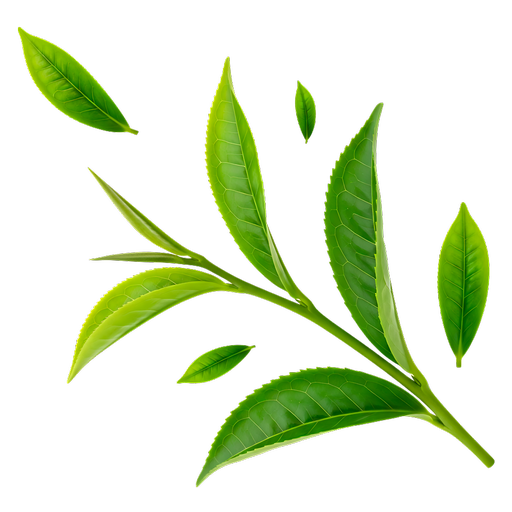
L-theanine, an amino acid found in tea leaves, is known for promoting relaxation without inducing drowsiness. A study by Kimura (2007) in “The Journal of Clinical Biochemistry and Nutrition” indicates that L-theanine can increase alpha brain wave activity, associated with a state of alert relaxation. Additionally, caffeine in small doses improves mood and concentration, complementing the effects of L-theanine to offer an overall sense of focused calm.
What Science Says about Rest Rituals and Tea
Numerous studies have confirmed the health benefits of tea. A paper by Serafini (2011) showed that regular green tea consumption can reduce the risk of heart disorders due to its antioxidant action. Also, a meta-analysis by Wang (2014) in The American Journal of Clinical Nutrition found that tea consumption is associated with a lower risk of cardiovascular disease. These studies underscore the importance of tea polyphenols in promoting health.
Furthermore, L-theanine has been studied for its calming effects. Hidese et al. (2019), in a study published in “Nutrients”, demonstrated that this compound is capable of reducing anxiety levels in stressful situations. These findings highlight how “Slow Tea Saturday” is not only pleasurable but also backed by scientific evidence to support relaxation and general weekend well-being.
How to Set Up Your Slow Tea Saturday: Atmosphere, Infusion and Moment
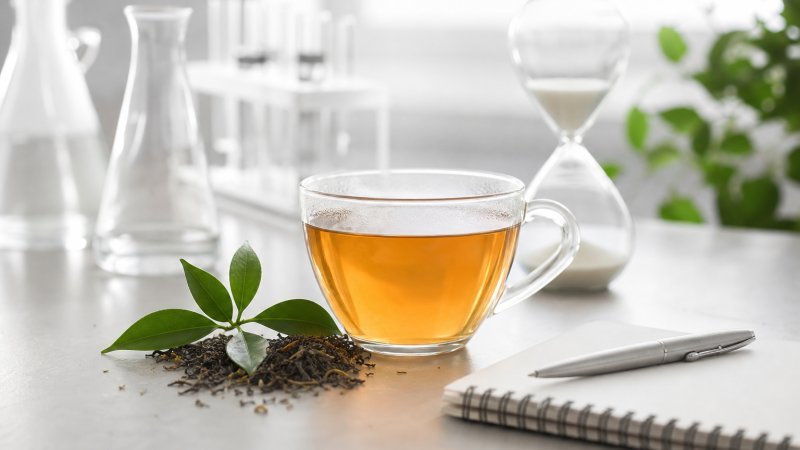
To enjoy a “Slow Tea Saturday”, choose a moment of the day when you can relax without interruptions. You can start by preparing an infusion of green or white tea, known for their mild flavour and antioxidant benefits. Heat water until almost boiling, around 70–80°C, and leave the tea to steep for 3–4 minutes.
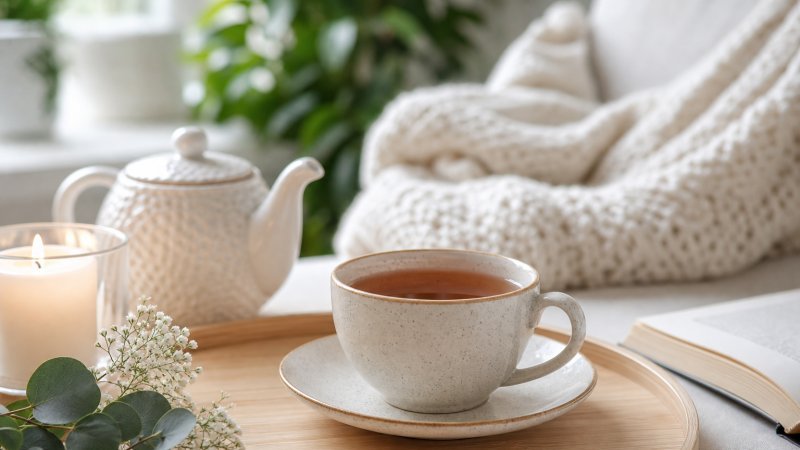
A recommended amount is 2–3 cups a day. You can add herbs such as mint or chamomile for extra flavour. According to the Natural Medicines Database, these herbs complement the relaxing profile of tea. Make sure you have a comfortable environment, perhaps with light music or outdoors, to maximise the experience. Use this moment to disconnect and enjoy the present.
How Much Tea Is Too Much? Caffeine, Sensitivities and the Ideal Profile
While tea is generally safe for most people, there are some precautions to consider. Those sensitive to caffeine should opt for lower-caffeine or decaffeinated teas. Also, pregnant women should limit their consumption to avoid excessive caffeine levels.
People with liver disease should consult a professional before consuming large amounts of green tea, due to reported cases of hepatic toxicity. It is always advisable to consult a doctor if you are taking medications, as tea polyphenols can interact with certain drugs.
Tea Saturday Around the World: From Japanese Chanoyu to English Afternoon Tea
Tea has been valued throughout history in diverse cultures. In traditional Chinese medicine, green tea is used to cleanse the body and improve mood. According to the Compendium of Materia Medica, this type of tea balances “Qi”, or vital energy.
In Ayurvedic tradition, herbal tea infusions are common for promoting digestion and mental calm. The Charaka Samhita mentions the use of infusions with therapeutic spices such as cardamom and ginger to enhance their warming and invigorating effect. These practices reveal how tea has been a central element in promoting health and wellbeing.
Frequently Asked Questions
Can I do “Slow Tea Saturday” with any type of tea? Yes, you can use any type of tea you like, although green and white teas are particularly popular for their benefits.
How many cups should I have to feel relaxed? Generally, 2–3 cups throughout the day are sufficient to enjoy its relaxing effects.
Can I add milk or sugar to my tea? Of course, but bear in mind that adding milk or sugar can modify some of the antioxidant benefits of tea.
Is it safe to drink tea every day? In general, daily tea consumption is safe, but it is important to moderate caffeine intake and consult a doctor if you have any concerns.
How long should I dedicate to the tea ritual each Saturday? Ideally, dedicate at least 30 minutes to fully enjoy your tea and the present moment.
Conclusion
Adopting “Slow Tea Saturday” is an excellent way to reconnect with yourself and enjoy quality time at the weekend. Take this opportunity to set aside weekly stress and savour the moment with a cup of tea. Always remember to consult a health professional before making significant changes to your wellbeing routine.
References and Further Reading
Hidese S, et al. (2019). Effects of L-Theanine administration on stress-related symptoms and cognitive functions in healthy adults. Nutrients. 11(10):2362. DOI: 10.3390/nu11102362
Kimura K, et al. (2007). L-Theanine reduces psychological and physiological stress responses. Biol Psychol. 74(1):39-45. DOI: 10.1016/j.biopsycho.2006.06.006
Kuriyama S, et al. (2006). Green tea consumption and mortality due to cardiovascular disease, cancer, and all causes in Japan. JAMA. 296(10):1255-65. DOI: 10.1001/jama.296.10.1255
Kochman J, et al. (2021). Health benefits and chemical composition of matcha green tea: a review. Molecules. 26(1):85. DOI: 10.3390/molecules26010085
Pham NM, et al. (2014). Green tea and coffee consumption inversely associated with depressive symptoms in a Japanese working population. Public Health Nutr. 17(3):625-33. DOI: 10.1017/S1368980013000360
Learn how to make a functional granita tea at home. Discover recipes, health benefits, preparation tips and cultural variants for this refreshing summer drink.
Can you drink tea while fasting? Discover which infusions support intermittent fasting, their scientific evidence, safety precautions and myths vs reality.
Discover lechuguilla, the strawberry tree and St John’s wort — Spanish native plants with surprising medicinal properties, scientific evidence, safety precautions and integration tips.
Compare traditional horchata and cold infusions in the battle of Spanish natural drinks. Nutritional profiles, science, preparation tips and cultural roots explored.
Make tea the star of your Saturday wellbeing ritual. Antioxidants, L-theanine, preparation tips, cultural traditions and science-backed benefits for a mindful weekend.
Discover how lavender, passionflower and valerian improve sleep quality on hot nights. Scientific evidence, preparation tips, safety precautions and cultural traditions.
Build your perfect travel infusion kit for summer. Digestive, relaxing and refreshing teas — scientific evidence, preparation tips, cultural traditions and practical advice.
Explore adaptogen teas — ginseng, ashwagandha, rhodiola — their active compounds, scientific evidence, preparation tips and cultural origins. A guide to choosing well.
We use our own cookies to keep the shop working (language, basket and checkout), to measure anonymously how the site is used, and to know which channel brought you here. We do not use advertising or profiling, and we do not share this data with third parties.
Functional
Always active
This technical storage is strictly necessary for the site to work: keeping your language, your basket and your checkout session. Without it you cannot complete an order.
Preferences
The technical storage or access is necessary for the legitimate purpose of storing preferences that are not requested by the subscriber or user.
Statistics
Our own anonymous measurement of page views and visits, so we can understand which content is useful. It is not shared with anyone and is not used to build profiles.The technical storage or access that is used exclusively for anonymous statistical purposes. Without a subpoena, voluntary compliance on the part of your Internet Service Provider, or additional records from a third party, information stored or retrieved for this purpose alone cannot usually be used to identify you.
Order attribution
Records which channel brought you to the shop (a search engine, a link or a campaign) so an order can be attributed to its source. It is not used for advertising or commercial profiling.