Adaptogen Teas: What They Are, What They Do, and How to Choose Them
Almate
June 17th, 2026
No Comments
5 mins read
Share this article
What is an Adaptogen? The Concept that Came from Ayurvedic and Russian Medicine
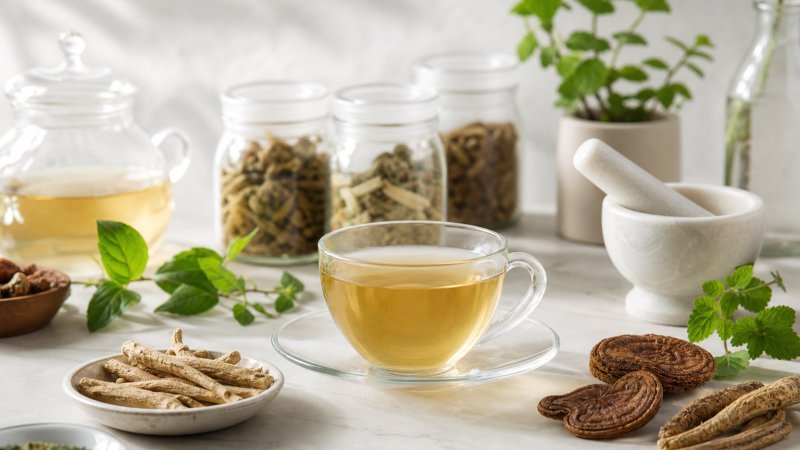
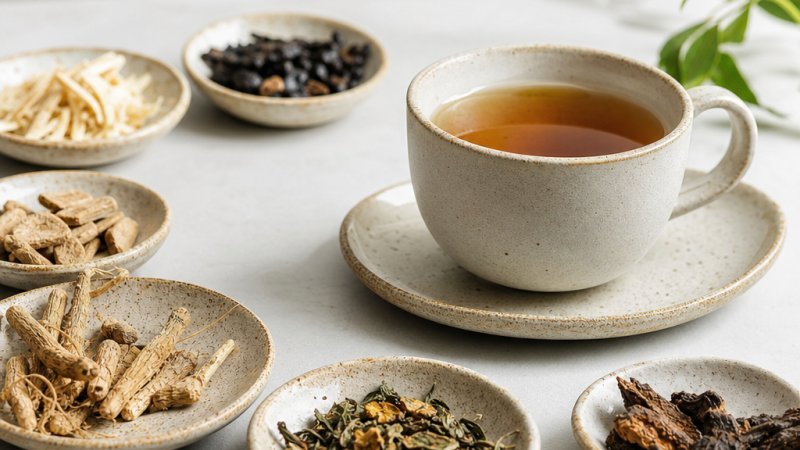
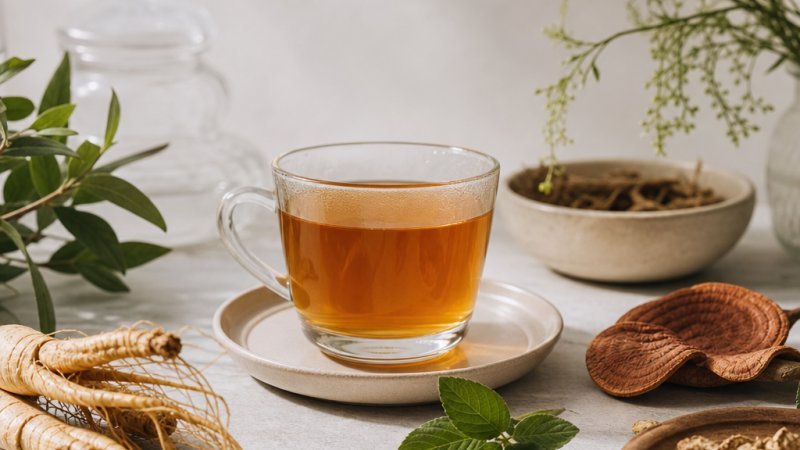
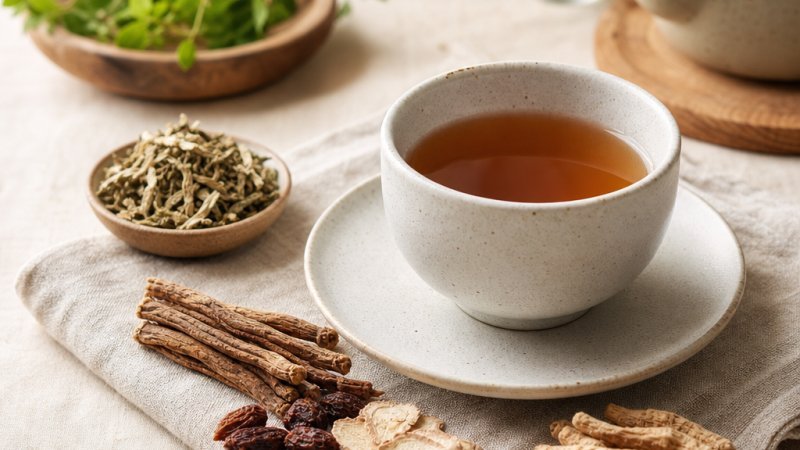
Adaptogen teas have grown in popularity in recent years thanks to their reputation as allies for stress and wellbeing. These teas are blends of specially selected herbs containing adaptogens — natural compounds that help the body adapt to stress. Historically, cultures such as Chinese and Ayurvedic medicine have used adaptogens for centuries. Ginseng, famous in traditional Chinese medicine, is a key adaptogen recognised for its revitalising and balancing capacity. Discover more about this tradition in our cultural section.
Adaptogens also appear in health writings from ancient times. According to traditional Chinese culture, certain plants enhance vital energy (or “qi”), contributing to internal balance. Today, modern science is also exploring these millennia-old benefits, providing new perspectives on how adaptogens can support the body’s natural functions.
Ginsenosides, Withanolides and Rosavins: The Active Compounds that Help Your Body Adapt
AdvertisementYour AdSense code will appear here
Adaptogens contain active compounds such as saponins, polyphenols and phytochemicals that act on the nervous and hormonal system. These key components modulate the stress response and enhance the body’s resilience, meaning they help the body better manage daily stressors. Among the most common types of adaptogens are ginseng, ashwagandha and rhodiola, each with unique properties.
Ginseng contains ginsenosides, which regulate blood glucose levels and increase physical endurance. Ashwagandha, a popular adaptogen in Ayurvedic herbalism, is rich in withanolides — compounds that can improve mental calm. Rhodiola is known for improving focus and reducing fatigue. Choosing teas that combine these adaptogens can enhance their benefits.
What Studies Say about Ashwagandha, Rhodiola and Ginseng in Infusion
Scientific research supports the benefits of adaptogens. A study in the Journal of Ethnopharmacology found that rhodiola improved mental performance and reduced fatigue under stress (Panossian et al., 2010). Another study showed that ashwagandha significantly reduces cortisol levels (Chandrasekhar et al., 2012). The EMA also recognises ginseng as effective for improving concentration and reducing fatigue.
It is important to note that while studies show promising results, more research is needed to fully understand their mechanisms of action. Adaptogen teas, combining ancestral wisdom and modern evidence, can offer a balanced approach to supporting personal wellbeing.
Ginseng in the Morning or Ashwagandha at Night? How and When to Take Each Adaptogen
AdvertisementYour AdSense code will appear here
To enjoy the benefits of adaptogen teas, one or two cups per day are recommended. Preparation is simple: add a teaspoon of the tea blend to hot water and leave to steep for 5-10 minutes. Do not exceed the doses indicated on each product’s label. If different textures and flavours appeal to you, try mixing them with honey or lemon to personalise your infusion.
However, the exact dose may vary by brand and specific ingredients, so it is always wise to follow the packaging instructions or consult a health expert. General recommendations suggest adapting to how your body responds to adaptogens, starting with small doses and gradually increasing if well tolerated.
Adaptogens and Anticoagulants, Pregnancy and Immunosuppressants: What You Need to Know
Caution is essential when consuming adaptogen teas, especially for people with pre-existing health conditions. Pregnant or breastfeeding women and those with autoimmune diseases should consult a doctor before incorporating these teas into their routine. Adaptogens may also interact with certain medications such as anticoagulants and sedatives.
Children and adolescents should also use these products under the supervision of a health professional. Safety is key, and following expert recommendations avoids possible adverse effects.
From Korean Ginseng to Indian Ashwagandha: Adaptogens in Their Cultures of Origin
AdvertisementYour AdSense code will appear here
Adaptogens have been a pillar of various medicinal traditions. In Ayurvedic medicine, ashwagandha is revered as a rejuvenator that balances body and mind. In Tibb al-Nabawi or prophetic medicine, plants such as ginseng are used with the belief of strengthening body and mind.
Siberian and Nordic cultures have used rhodiola for generations to improve resistance to cold and stress. This rich cultural legacy highlights the diversity of applications that adaptogens have offered throughout history.
Frequently Asked Questions
What are adaptogen teas? Adaptogen teas are infusions made from plants containing natural compounds capable of helping the body adapt to stress and improve overall balance.
What are adaptogens used for? Adaptogens help the body manage stress, improve physical and mental endurance and balance hormonal functions.
What are the benefits of adaptogen teas? These teas can improve overall wellbeing, reduce fatigue, increase concentration and lower stress levels.
How to choose a good adaptogen tea? Look for teas containing quality adaptogens and check that the blend includes specific ingredients suited to your needs, such as ashwagandha for calm or ginseng for energy.
Can anyone take adaptogens? Not everyone. It is advisable to consult a health professional, especially if you have medical conditions, are pregnant or taking medications.
Conclusion
Adaptogen teas can be an interesting option for those seeking to improve their wellbeing by better managing stress. While they lack miraculous properties, their combination of traditional wisdom and scientific evidence offers real benefits. Before making changes to your health habits, remember that consulting a professional is always the best path.
References and Further Reading
Panossian A & Wikman G (2010). Effects of adaptogens on the central nervous system and the molecular mechanisms associated with their stress-protective activity. Pharmaceuticals. 3(1):188-224. DOI: 10.3390/ph3010188
Chandrasekhar K, Kapoor J, Anishetty S (2012). A prospective, randomized double-blind study of safety and efficacy of ashwagandha root extract. Indian J Psychol Med. 34(3):255-62. DOI: 10.4103/0253-7176.106022
Hung SK, Perry R, Ernst E (2011). The effectiveness and efficacy of Rhodiola rosea L.: a systematic review of randomised clinical trials. Phytomedicine. 18(4):235-44. DOI: 10.1016/j.phymed.2010.08.014
Kim HG, et al. (2013). Antifatigue effects of Panax ginseng C.A. Meyer: a randomised, double-blind, placebo-controlled trial. PLoS One. 8(4):e61271. DOI: 10.1371/journal.pone.0061271
Learn how to make a functional granita tea at home. Discover recipes, health benefits, preparation tips and cultural variants for this refreshing summer drink.
Can you drink tea while fasting? Discover which infusions support intermittent fasting, their scientific evidence, safety precautions and myths vs reality.
Discover lechuguilla, the strawberry tree and St John’s wort — Spanish native plants with surprising medicinal properties, scientific evidence, safety precautions and integration tips.
Compare traditional horchata and cold infusions in the battle of Spanish natural drinks. Nutritional profiles, science, preparation tips and cultural roots explored.
Make tea the star of your Saturday wellbeing ritual. Antioxidants, L-theanine, preparation tips, cultural traditions and science-backed benefits for a mindful weekend.
Discover how lavender, passionflower and valerian improve sleep quality on hot nights. Scientific evidence, preparation tips, safety precautions and cultural traditions.
Build your perfect travel infusion kit for summer. Digestive, relaxing and refreshing teas — scientific evidence, preparation tips, cultural traditions and practical advice.
Explore adaptogen teas — ginseng, ashwagandha, rhodiola — their active compounds, scientific evidence, preparation tips and cultural origins. A guide to choosing well.