Real Benefits of Chamomile: Beyond Grandmother’s Remedy
Almate
June 17th, 2026
No Comments
4 mins read
Share this article
History and Context of Chamomile: Beyond Grandmother’s Remedy
Chamomile for relaxation, scientifically known as Matricaria chamomilla, has been a popular remedy for centuries, used across diverse cultures for its many benefits. Part of grandmother’s remedies, it has been used in infusions to relieve digestive issues and promote relaxation. In ancient Greek medicine, Hippocrates already mentioned its calming properties. In Arabic medicine, Avicenna recognised its use for treating inflammation. Today, scientific studies also support these benefits. This underlines its relevance in both tradition and modern science.
Apigenin, Bisabolol and Chamazulene: Why Chamomile Really Works
AdvertisementYour AdSense code will appear here
Chamomile contains several active compounds that underpin its benefits. Essential oils such as bisabolol and flavonoids are crucial. Bisabolol has anti-inflammatory and antimicrobial properties, while flavonoids help combat oxidative stress. These components work together to relieve muscle spasms and digestive discomfort. Tannins are also present, providing an astringent effect that can protect the stomach lining.
What Modern Studies Confirm about the Powers of Chamomile
Numerous studies have investigated chamomile’s benefits. An article in the Journal of Clinical Psychopharmacology (2016) found that chamomile could significantly reduce symptoms of generalised anxiety (PMID: 27554252). A WHO review also highlighted its positive effects on digestion (WHO, 2005). Traditional Chinese medicine also recognises its use for balancing the “Qi”, which aligns with its role in stress relief. This evidence consolidates its reputation as more than a simple home remedy. Learn more in our wellness culture section.
How to Get the Most from Chamomile: Temperature, Time and Methods of Use
AdvertisementYour AdSense code will appear here
To enjoy chamomile’s benefits, it is recommended to prepare it as an infusion. Use one tablespoon of dried flowers per cup of boiling water and leave to steep for 5-10 minutes. This is ideal for anxiety relief or digestive issues. According to the EMA, up to three cups per day are recommended (EMA, 2013). It is important to adjust the dose to individual needs.
Chamomile Allergy and Anticoagulants: Precautions Almost Nobody Mentions
While chamomile is generally safe, precautions should be taken. It can cause allergic reactions in people sensitive to plants of the Asteraceae family. Caution is recommended during pregnancy and breastfeeding, and it should be avoided with anticoagulant medications as it may potentiate their effects. Always consult a health professional before introducing new remedies to your routine.
From Egypt to Spain: Chamomile as a Universal Plant of Humanity
AdvertisementYour AdSense code will appear here
Chamomile has been a staple in many cultures. In Europe, it has traditionally been used to calm nerves and treat insomnia, as documented in Culpeper’s herbal. In Morocco, it forms part of ethnobotanical practices for treating digestive problems. In Ayurveda, it is attributed with properties for balancing the pitta dosha, reducing inflammation and promoting calm.
Frequently Asked Questions about Chamomile
What are the real benefits of chamomile? Chamomile offers benefits for improving sleep, relieving anxiety and treating mild digestive disorders, according to both modern and ancient studies.
Can chamomile cause side effects? In general it is safe, but it can cause allergies in people sensitive to certain plants. Consult a doctor if you have concerns.
Is it safe for children? In small amounts chamomile is generally safe for children, but it is always better to consult a paediatrician.
How is chamomile infusion properly prepared? Use one tablespoon of dried flowers per cup of boiling water, steep for 5-10 minutes and serve hot for optimal relaxation.
How many cups of chamomile can be taken per day? Generally up to three cups are safe for most adults, but it is useful to adjust according to personal need.
Conclusion
Chamomile for relaxation offers multiple benefits beyond the simple grandmother’s remedy, supported by both tradition and scientific research. For its ability to relieve stress and improve digestion, it remains valuable. However, always remember to consult a professional before modifying your health routine.
References and Further Reading
Srivastava JK, Shankar E, Gupta S (2010). Chamomile: A herbal medicine of the past with bright future. Mol Med Rep. 3(6):895-901. DOI: 10.3892/mmr.2010.377
Hieu TT, et al. (2019). Therapeutic efficacy and safety of chamomile for state anxiety, generalized anxiety disorder, insomnia, and sleep quality. Phytother Res. 33(6):1604-15. DOI: 10.1002/ptr.6349
Ngan A & Conduit R (2011). A double-blind, placebo-controlled investigation of the effects of Passiflora incarnata herbal tea on subjective sleep quality. Phytother Res. 25(8):1153-9. DOI: 10.1002/ptr.3400
EMA HMPC (2015). Community herbal monograph on Matricaria chamomilla L., flos. European Medicines Agency. EMA Monograph
Learn how to make a functional granita tea at home. Discover recipes, health benefits, preparation tips and cultural variants for this refreshing summer drink.
Can you drink tea while fasting? Discover which infusions support intermittent fasting, their scientific evidence, safety precautions and myths vs reality.
Discover lechuguilla, the strawberry tree and St John’s wort — Spanish native plants with surprising medicinal properties, scientific evidence, safety precautions and integration tips.
Compare traditional horchata and cold infusions in the battle of Spanish natural drinks. Nutritional profiles, science, preparation tips and cultural roots explored.
Make tea the star of your Saturday wellbeing ritual. Antioxidants, L-theanine, preparation tips, cultural traditions and science-backed benefits for a mindful weekend.
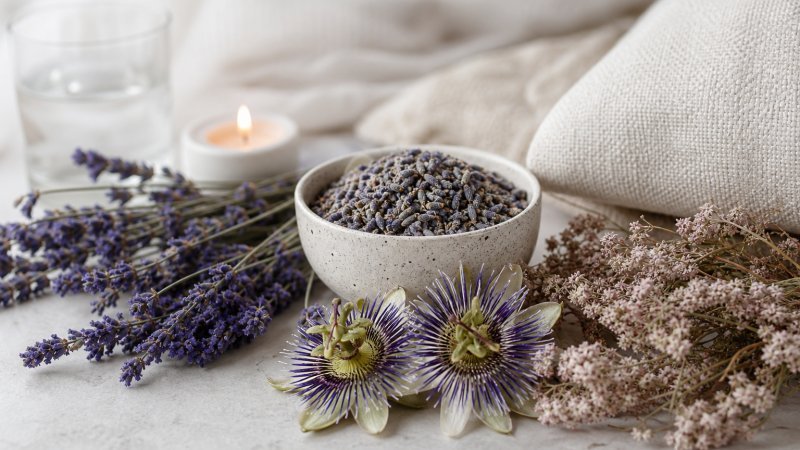
Discover how lavender, passionflower and valerian improve sleep quality on hot nights. Scientific evidence, preparation tips, safety precautions and cultural traditions.
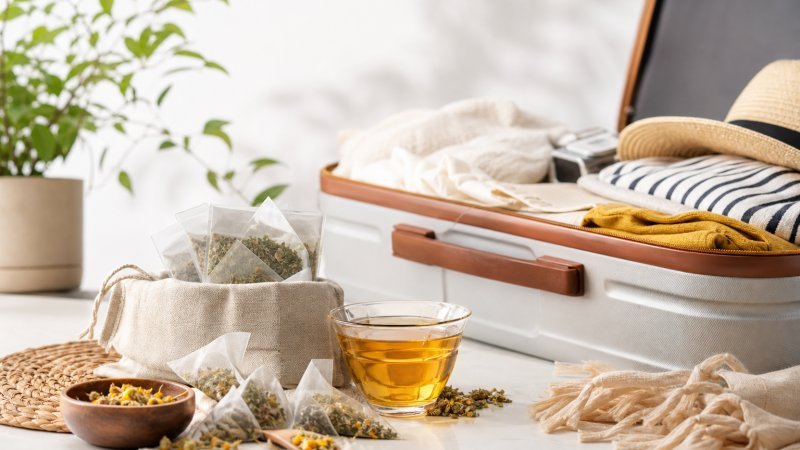
Build your perfect travel infusion kit for summer. Digestive, relaxing and refreshing teas — scientific evidence, preparation tips, cultural traditions and practical advice.
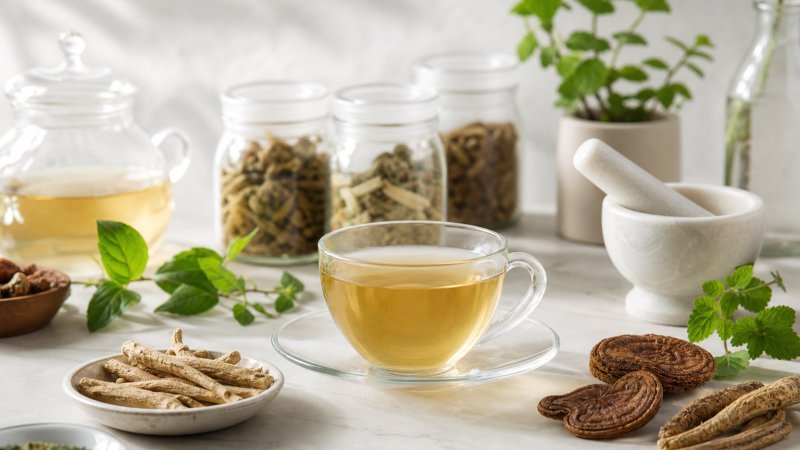
Explore adaptogen teas — ginseng, ashwagandha, rhodiola — their active compounds, scientific evidence, preparation tips and cultural origins. A guide to choosing well.