Cold Hibiscus: The Red Secret that Refreshes and Cares for Your Heart
Almate
June 17th, 2026
No Comments
6 mins read
Share this article
The Origin and Significance of Cold Hibiscus for Heart Health
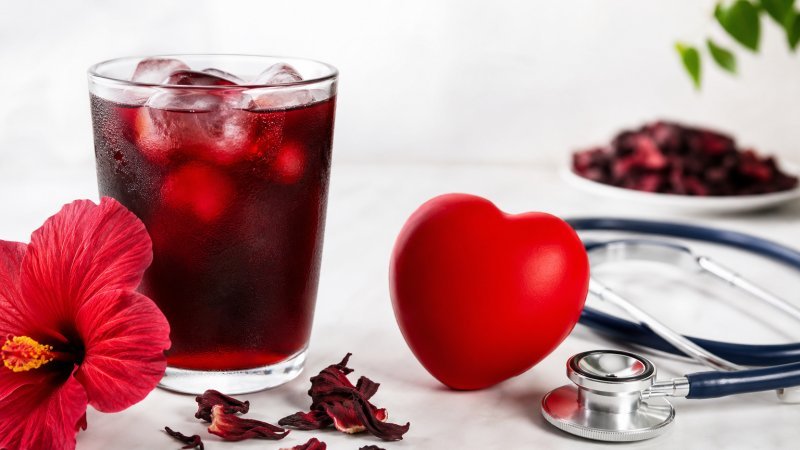
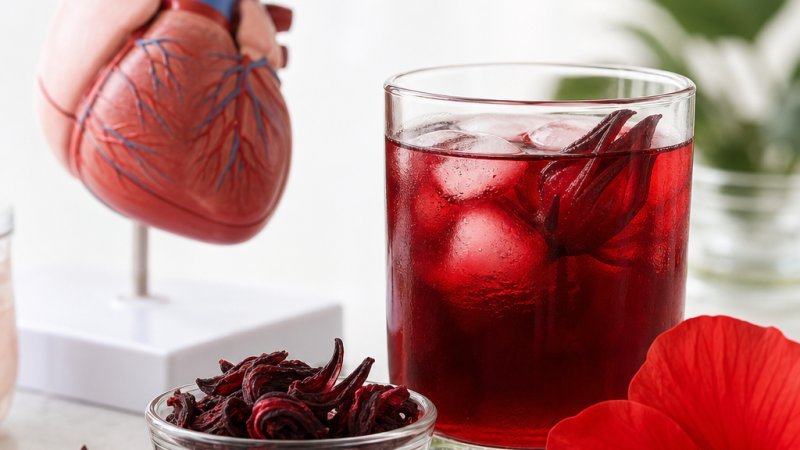
Cold hibiscus, scientifically known as Hibiscus sabdariffa, has been used for centuries as a refreshing and healthy drink. This infusion, with its deep red colour, is famous not only for its pleasant flavour but also for the hibiscus benefits for health. According to African traditional medicine and some Ayurvedic texts, hibiscus has been used to promote cardiovascular health and improve general wellbeing (Duke, 2002). Today, scientific research has begun to support these traditional claims, highlighting how cold hibiscus can be an ally for heart care.
In a world where heart disease is a growing concern, interest in healthy infusions such as hibiscus continues to rise. Its capacity to support heart health has placed it on the radar of those seeking natural alternatives to improve their wellbeing. Let us discover how this magical flower can be both a delight for the senses and a help for heart health.
Anthocyanins, Hibiscic Acid and Vitamin C: The Actives that Make Hibiscus Great
AdvertisementYour AdSense code will appear here
Hibiscus is rich in bioactive compounds such as anthocyanins, flavonoids and organic acids that give it its distinctive colour and healthy hibiscus properties. These components are known for their antioxidant effects, meaning they help combat damage caused by free radicals in the body, thereby contributing to cardiovascular protection (Chevallier, 2016). Anthocyanins are also responsible for improving the elasticity of blood vessels, facilitating healthy blood flow.
Furthermore, studies highlight that hibiscic acid, another component present in hibiscus, helps regulate cholesterol levels and blood pressure. This compound acts by inhibiting the enzymes responsible for cholesterol production in the liver and favouring arterial health (Wichtl, 2004). These combined properties make cold hibiscus tea an ideal option for those seeking to maintain a healthy and balanced cardiovascular system.
What Studies Demonstrate: Hibiscus, Blood Pressure and the Heart
Numerosos estudios han investigado las propiedades del hibisco y su influencia en la salud cardiovascular. Un metaanálisis en la Cochrane Library concluyó que el consumo regular de hibisco está asociado con una reducción moderada de la presión arterial en personas con hipertensión (PMID: 26284758). Un ensayo publicado en el Journal of Nutrition reportó que los sujetos que tomaron hibisco diariamente durante seis semanas mostraron una disminución significativa en su presión arterial sistólica (McKay et al., 2010).
The European Medicines Agency (EMA) has also recognised the beneficial properties of hibiscus in its monograph, mentioning its positive effects on cardiovascular health and its potential as a complement in the management of hypertension (EMA, 2016). This research reinforces the idea that hibiscus is not only a tasty drink, but also a powerful ally for maintaining heart health.
Cold Hibiscus at Home: Classic Recipe, Variants and How to Enhance its Benefits
AdvertisementYour AdSense code will appear here
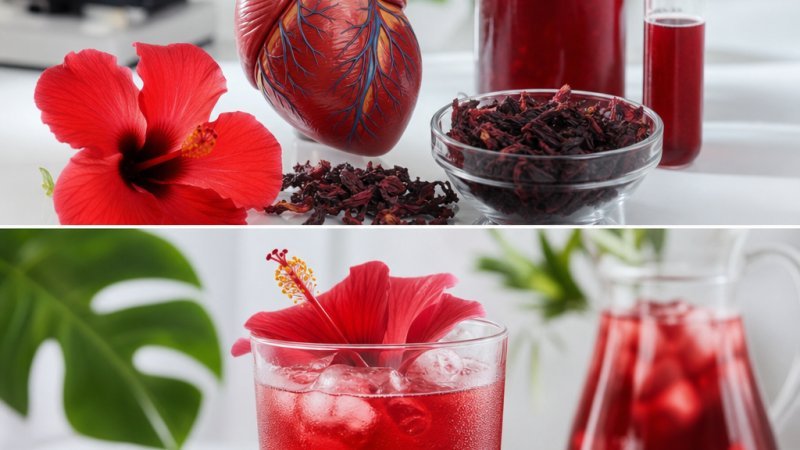
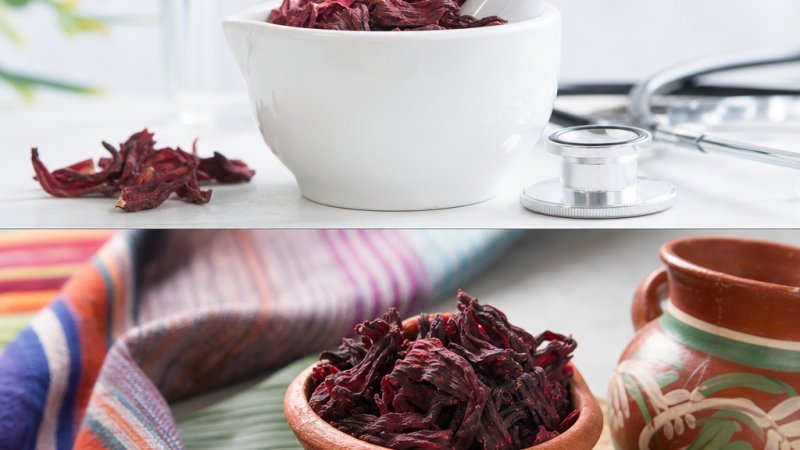
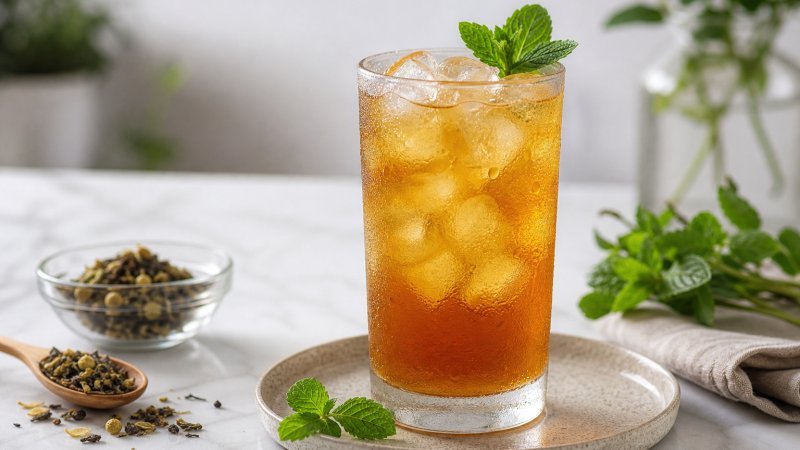
Preparing cold hibiscus is very simple. Start by boiling water and add dried hibiscus flowers, approximately 1-2 teaspoons per cup. Leave to steep for 10-15 minutes to maximize the extraction of its compounds. Once cooled, transfer to a jar and refrigerate to enjoy a refreshing drink. Visit our blog for more creative recipes with hibiscus.
To benefit from its effects, consuming one to two cups per day is recommended, as its antioxidant and antihypertensive properties have been associated with this consumption range (Duke, 2002; Wichtl, 2004). However, it is important to remember that hibiscus use should be complementary and not replace prescribed medical treatments. You can also explore related articles about hibiscus culture and its history.
Hibiscus and Antihypertensives: Interactions You Should Not Ignore
Hibiscus consumption is generally safe for most people. However, it should be used with caution in pregnant women, as some compounds may stimulate uterine contractions (EMA, 2016). Care should also be taken if antihypertensive medications are being taken, as hibiscus could potentiate their effects.
As always, it is advisable to consult a doctor or specialist before incorporating hibiscus regularly, especially if you have a pre-existing medical condition. Remember that natural does not always mean harmless, and it is essential to use it wisely.
From Mexico to Egypt: Hibiscus Travels the World with a Thousand Names
AdvertisementYour AdSense code will appear here
In West Africa and the Caribbean, hibiscus is a traditionally refreshing drink consumed at celebrations and to relieve the heat. In the Ayurvedic context, it is attributed not only physical but also energetic benefits, used to balance specific doshas in the body (Charaka Samhita). In traditional Chinese medicine, it is used to “cool” the body, ideal in warm climates.
These applications show how hibiscus has been valued not only for its taste, but also for its capacity to support health in various cultures. This blend of traditional and modern uses makes it a multifaceted plant worthy of exploration.
Frequently Asked Questions about Cold Hibiscus
How to prepare cold hibiscus? Boil water, add dried hibiscus flowers, steep for 10–15 minutes, refrigerate and enjoy.
What benefits does hibiscus have for the heart? Hibiscus can help reduce blood pressure and cholesterol, supporting cardiovascular health.
Is it safe to consume hibiscus daily? Generally yes, but consult a doctor, especially if you have specific conditions or take medications. Cold hibiscus can be a refreshing and beneficial option within your habits.
Does hibiscus help blood pressure? Yes, studies show that it can help lower blood pressure.
What effects does hibiscus have on health? It is antioxidant, anti-inflammatory, and can benefit the cardiovascular system.
Conclusion: Cold Hibiscus and Heart Health
Cold hibiscus emerges as a delicious and healthy way to support your cardiovascular health. Its antioxidant properties and effects on blood pressure make it a true ally for heart wellbeing. Remember, before making changes to your health regime, consult a healthcare professional. Adding hibiscus to your life can be simple, refreshing and beneficial.
References and Further Reading
McKay DL, et al. (2010). Hibiscus sabdariffa L. tea (tisane) lowers blood pressure in prehypertensive and mildly hypertensive adults. J Nutr. 140(2):298-303. DOI: 10.3945/jn.109.115097
Serban C, et al. (2015). Effect of sour tea (Hibiscus sabdariffa L.) on arterial hypertension: a systematic review and meta-analysis. J Hypertens. 33(6):1119-27. DOI: 10.1097/HJH.0000000000000585
Riaz G & Chopra R (2018). A review on phytochemistry and therapeutic uses of Hibiscus sabdariffa L. Biomed Pharmacother. 102:575-86. DOI: 10.1016/j.biopha.2018.03.023
Hopkins AL, et al. (2013). Hibiscus sabdariffa L. in the treatment of hypertension and hyperlipidemia: a comprehensive review. Fitoterapia. 85:84-94. DOI: 10.1016/j.fitote.2013.01.003
Ojeda D, et al. (2010). Inhibition of angiotensin converting enzyme (ACE) activity by the anthocyanins delphinidin and cyanidin. J Ethnopharmacol. 127(1):7-10. DOI: 10.1016/j.jep.2009.09.009
Learn how to make a functional granita tea at home. Discover recipes, health benefits, preparation tips and cultural variants for this refreshing summer drink.
Can you drink tea while fasting? Discover which infusions support intermittent fasting, their scientific evidence, safety precautions and myths vs reality.
Discover lechuguilla, the strawberry tree and St John’s wort — Spanish native plants with surprising medicinal properties, scientific evidence, safety precautions and integration tips.
Compare traditional horchata and cold infusions in the battle of Spanish natural drinks. Nutritional profiles, science, preparation tips and cultural roots explored.
Make tea the star of your Saturday wellbeing ritual. Antioxidants, L-theanine, preparation tips, cultural traditions and science-backed benefits for a mindful weekend.
Discover how lavender, passionflower and valerian improve sleep quality on hot nights. Scientific evidence, preparation tips, safety precautions and cultural traditions.
Build your perfect travel infusion kit for summer. Digestive, relaxing and refreshing teas — scientific evidence, preparation tips, cultural traditions and practical advice.
Explore adaptogen teas — ginseng, ashwagandha, rhodiola — their active compounds, scientific evidence, preparation tips and cultural origins. A guide to choosing well.