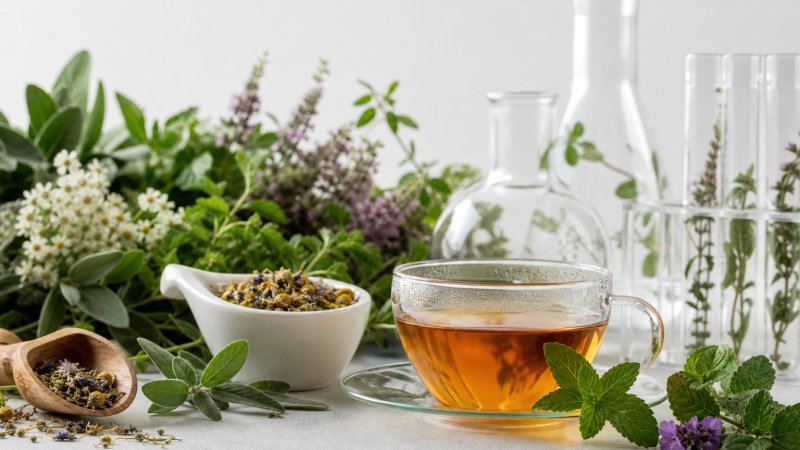
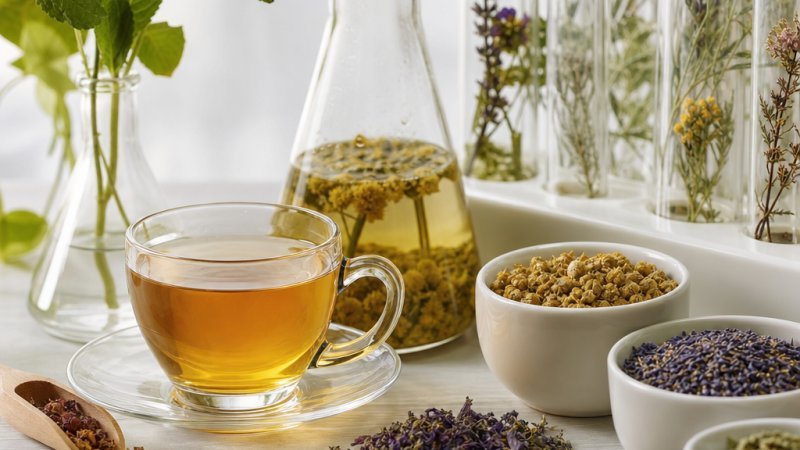
From Garden to Cup: Why Origin Matters in Every Infusion
Almate
June 17th, 2026
No Comments
5 mins read
Share this article
Herbal Terroir: Why the Origin of Plants Completely Transforms Your Cup
The origin of an infusion is a fascinating subject spanning centuries of history and tradition. From ancient China to European cultures, the harvesting and preparation of herbs has been an art passed down from generation to generation. Drinking an infusion is more than enjoying a hot beverage; it is a connection with ancestral practices that value the use of natural ingredients. Artisan infusions, made with locally grown plants, offer a direct link with the land and guarantee unique freshness and quality.
Today, science supports many of these traditions. For example, the use of ingredients such as chamomile or ginger has documented infusion benefits that can relieve stress or improve digestion, respectively (Duke, 2002). Folk knowledge combined with modern scientific evidence ensures that a good infusion is not only delicious, but also beneficial for health.
How Soil, Climate and Harvesting Affect the Actives in Your Infusion
Infusions owe their efficacy to the active compounds present in plants. These compounds, such as antioxidants and essential oils, are responsible for infusion benefits and vary according to the natural origin of each herb. For example, the catechins in green tea are powerful antioxidants that can support cardiovascular health (Nakagawa et al., 2016).
Artisan infusions enhance these components by using cultivation techniques that respect the natural cycle of plants, thus ensuring the maximum concentration of natural infusion ingredients. This infusion origin guarantees that each cup contains not only flavour, but also genuine health and wellbeing benefits.
What Science Says: Does the Origin of Herbs Really Matter?
Science has extensively explored the positive effects of infusions, confirming their capacity to improve health. A study published in the Journal of Ethnopharmacology highlighted that infusions of controlled origin contain higher levels of beneficial compounds due to sustainable agricultural practices (Blumenthal et al., 2012). Furthermore, Phytomedicine highlights the impact of origin on infusion quality (Cartea et al., 2011).
Furthermore, the WHO manual on medicinal plants underlines the importance of natural infusion ingredients in the treatment of certain mild disorders (WHO, 2004). These sources confirm that, when choosing an infusion, origin is a key factor that can increase its effectiveness and ensure it is a safe and healthy option.
How to Choose a Quality Infusion: What to Look for on the Label
To enjoy an infusion to the fullest, it is essential to focus on infusion quality and its origin. Good quality infusions often specify their place of cultivation on the package. Opt for infusions labelled as “artisan” or “organic” to ensure you are getting high quality ingredients.
Preparing an infusion properly is also crucial. It is recommended to use fresh water and heat it to the ideal temperature, which varies depending on the type of plant (Duke, 2002). Leave the leaves or flowers to steep for 5 to 10 minutes to release all their flavour and benefits. Remember that, although the use of herbs is generally safe, it is always a good idea to consult a professional before adding something new to your routine.
Certifications, Pesticides and Quality: What Origin Guarantees You or Not
Infusions are generally safe for daily consumption, but there are considerations. Pregnant women, people with chronic conditions or those taking medications should consult an expert before starting a new infusion. Some plants can interact with medications or may not be recommended during pregnancy.
It is crucial to ensure that the product you choose has been tested and labelled adequately to avoid potential contaminants. EMA assessments offer useful guidance on the safety of many popular herbs (EMA, 2015).
From the Andalusian Fields to Japanese Tea: When Origin is Part of the Tradition
Infusions have been part of cultural practices since time immemorial. In traditional Chinese medicine, tea is a key element of preventive health (Shennong Bencao Jing). In Moroccan culture, mint tea symbolises hospitality and artisan skill.
Similarly, in medieval European traditions, herbs such as linden and sage were prized for their calming and healing effects (Culpeper, 1652). These practices have been passed down from generation to generation, keeping alive the rich heritage of infusion as part of holistic wellbeing.
Frequently Asked Questions about Infusions
Why does the origin of infusions matter? The origin of an infusion determines the quality and diversity of active compounds, affecting its health benefits and final flavour.
What benefits does a naturally sourced infusion offer? Naturally sourced infusions ensure freshness, higher concentration of beneficial nutrients, and the absence of contaminants or additives.
How to identify a good quality infusion? Look for labels indicating organic or artisan origin and check for quality certifications and laboratory tests.
What impact does cultivation have on the properties of an infusion? Cultivation affects nutrient concentration, with sustainable practices resulting in higher quality and health benefits.
How does origin affect the flavour of an infusion? Origin influences terroir, which contributes a unique flavour profile due to specific soil, climate and cultivation techniques.
Conclusion
In summary, the origin of an infusion is essential to determining its quality and benefits. Choosing artisan infusions guarantees a rich flavour and health experience. Always consult a qualified professional before changing your diet to make sure it is safe for you.
Gallego MG, et al. (2013). Antioxidant properties of three aromatic herbs (rosemary, thyme and lavender). J Am Oil Chem Soc. 90:1559-68. DOI: 10.1007/s11746-013-2303-3
Srivastava JK, Shankar E, Gupta S (2010). Chamomile: A herbal medicine of the past with bright future. Mol Med Rep. 3(6):895-901. DOI: 10.3892/mmr.2010.377
EMA HMPC (2016). Community herbal monograph on Rosmarinus officinalis L., folium et flos. European Medicines Agency. EMA Monograph
WHO (2003). WHO guidelines on good agricultural and collection practices (GACP) for medicinal plants. World Health Organization. WHO Guidelines GACP
Learn how to make a functional granita tea at home. Discover recipes, health benefits, preparation tips and cultural variants for this refreshing summer drink.
Can you drink tea while fasting? Discover which infusions support intermittent fasting, their scientific evidence, safety precautions and myths vs reality.
Discover lechuguilla, the strawberry tree and St John’s wort — Spanish native plants with surprising medicinal properties, scientific evidence, safety precautions and integration tips.
Compare traditional horchata and cold infusions in the battle of Spanish natural drinks. Nutritional profiles, science, preparation tips and cultural roots explored.
Make tea the star of your Saturday wellbeing ritual. Antioxidants, L-theanine, preparation tips, cultural traditions and science-backed benefits for a mindful weekend.
Discover how lavender, passionflower and valerian improve sleep quality on hot nights. Scientific evidence, preparation tips, safety precautions and cultural traditions.
Build your perfect travel infusion kit for summer. Digestive, relaxing and refreshing teas — scientific evidence, preparation tips, cultural traditions and practical advice.
Explore adaptogen teas — ginseng, ashwagandha, rhodiola — their active compounds, scientific evidence, preparation tips and cultural origins. A guide to choosing well.
We use our own cookies to keep the shop working (language, basket and checkout), to measure anonymously how the site is used, and to know which channel brought you here. We do not use advertising or profiling, and we do not share this data with third parties.
Functional
Always active
This technical storage is strictly necessary for the site to work: keeping your language, your basket and your checkout session. Without it you cannot complete an order.
Preferences
The technical storage or access is necessary for the legitimate purpose of storing preferences that are not requested by the subscriber or user.
Statistics
Our own anonymous measurement of page views and visits, so we can understand which content is useful. It is not shared with anyone and is not used to build profiles.The technical storage or access that is used exclusively for anonymous statistical purposes. Without a subpoena, voluntary compliance on the part of your Internet Service Provider, or additional records from a third party, information stored or retrieved for this purpose alone cannot usually be used to identify you.
Order attribution
Records which channel brought you to the shop (a search engine, a link or a campaign) so an order can be attributed to its source. It is not used for advertising or commercial profiling.