Caffeine-Free Tea but Full of Flavour: Guide to Starting the Day Differently
Almate
June 17th, 2026
No Comments
5 mins read
Share this article
The Fascinating World of Caffeine-Free Tea
Caffeine-free tea has gained popularity as a delicious and healthy alternative to start the day. This approach not only allows you to enjoy a variety of flavors, but also avoids the stimulating effects of caffeine. Since ancient times, herbal infusions have been an essential part of cultures around the world. For example, in China and India they have been consumed for centuries for their relaxing properties and health benefits. According to scientific literature and traditional knowledge systems, many herbs offer bioactive compounds that contribute to general well-being without the need for caffeine.
Menthol, Anthocyanins and Flavonoids: What Caffeine-Free Teas Contain
AdvertisementYour AdSense code will appear here
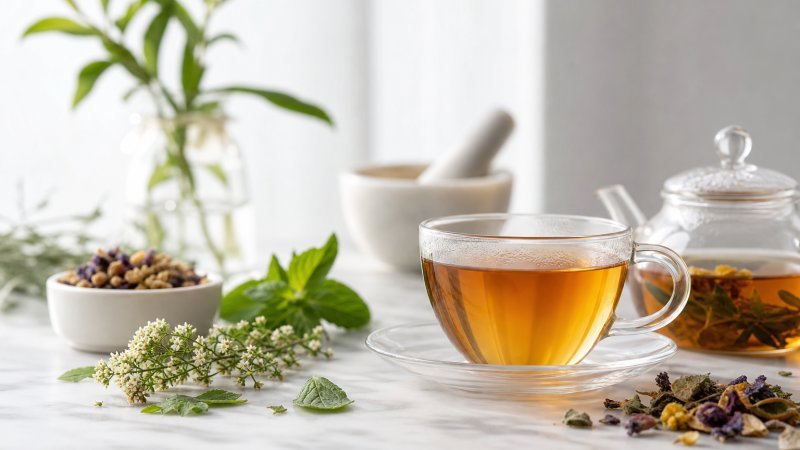
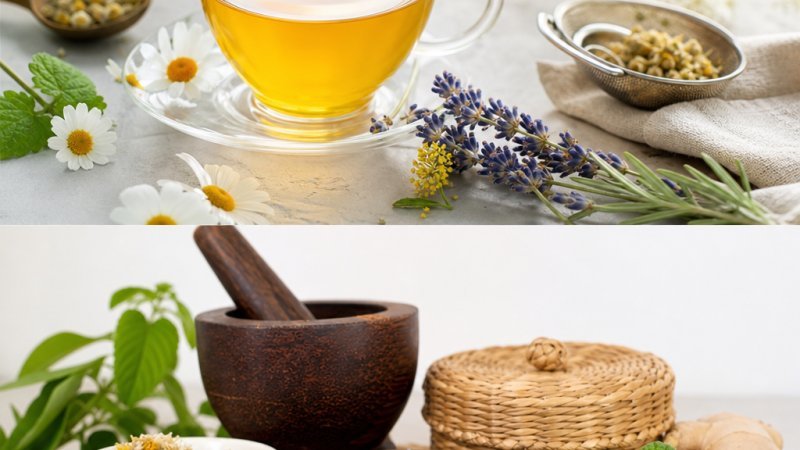
Caffeine-free teas, such as chamomile, rooibos and mint, are rich in antioxidant compounds. Chamomile, for example, contains apigenin, an antioxidant that can help induce calm. Rooibos is known for its high content of aspalathin, a flavonoid that has shown beneficial effects in reducing oxidative stress. Additionally, mint offers menthol, which provides a refreshing and relaxing effect. These components are key to the benefits of caffeine-free tea and align with the concepts of healthy tea and alternative teas that enrich your morning routine.
What Science Says about the Benefits of Caffeine-Free Herbal Tea
Various studies have validated the benefits of caffeine-free tea. A study published in the European Journal of Nutrition (2010) found that rooibos can improve cardiovascular health. Chamomile has been the subject of research in the Journal of Advanced Nursing, showing its potential to improve sleep quality (Chang et al., 2011). These findings support the tradition of using caffeine-free teas not only for taste, but also for their positive effects on wellbeing.
How to Choose and Prepare Your Caffeine-Free Tea: A Guide to Starting the Day Right
AdvertisementYour AdSense code will appear here
Preparing caffeine-free tea is simple and can be a comforting experience. Generally, it is recommended to use a teaspoon of dried leaves or a tea bag per cup of hot water. Leave to steep for 5–7 minutes to release all the flavours. Integrating these infusions into your alternative morning routine can be as easy as replacing your usual cup of coffee. Most teas can be consumed several times a day, as long as moderation is maintained. Each cup can be an opportunity to relax and enjoy the benefits of healthy tea.
Can There Be Risks with Caffeine-Free Tea? What You Need to Know
Although caffeine-free tea is generally safe, it is important to consider certain precautions. Pregnant women and those who are breastfeeding should consult a doctor before consuming large quantities. Some teas, such as liquorice, can interact with medications, so caution is advised. People with allergies to certain herbs should make sure to check the ingredients.
Rooibos, Hibiscus and Liquorice: The Caffeine-Free Infusions the World Chose
AdvertisementYour AdSense code will appear here
The use of caffeine-free infusions has deep roots in various cultures. Chamomile tea has traditionally been used in Europe to calm the nerves and promote sleep. In South Africa, rooibos has been a key part of cultural heritage due to its antioxidant properties. In Ayurvedic medicine, mint is used to facilitate digestion and refresh the body. These cultural practices highlight the rich history and worldwide acceptance of caffeine-free tea.
Frequently Asked Questions about Caffeine-Free Tea
Which teas are caffeine-free? Herbal teas such as rooibos, chamomile and mint are common examples of caffeine-free teas.
What are the benefits of caffeine-free tea? They offer a relaxing way to consume antioxidants without the stimulating effects of caffeine.
Does caffeine-free tea have relaxing properties? Yes, many caffeine-free teas, such as chamomile, are known for their calming effects.
How to choose a good-tasting caffeine-free tea? Try different varieties until you find the flavour you like best, such as rooibos or mint.
Is it healthy to consume caffeine-free tea daily? Consuming it in moderation is generally safe, but consult a professional if you have specific concerns.
Conclusion: Enjoy the Flavours of Caffeine-Free Tea
Caffeine-free tea is a delicious way to start the day with energy and flavour. By integrating these healthy infusions into your routine, you can enjoy not only their unique flavours, but also their health benefits. Always remember to consult a professional before making significant changes to your diet. Enjoy your cup of caffeine-free tea!
References and Further Reading
McKay DL, Blumberg JB (2007). A review of the bioactivity and potential health benefits of rooibos herbal tea. Phytother Res. 21(1):1-16. DOI: 10.1002/ptr.2032
McKay DL, Chen CO, Saltzman E, Blumberg JB (2010). Hibiscus sabdariffa L. tea (tisane) lowers blood pressure in prehypertensive and mildly hypertensive adults. J Nutr. 140(2):298-303. DOI: 10.3945/jn.109.115097
Srivastava JK, Shankar E, Gupta S (2010). Chamomile: A herbal medicine of the past with bright future. Mol Med Rep. 3(6):895-901. DOI: 10.3892/mmr.2010.377
Mashhadi NS, et al. (2013). Anti-oxidative and anti-inflammatory effects of ginger in health and physical activity: review of current evidence. Int J Prev Med. 4(Suppl 1):S36-42. PMID: 23717767
Jäger AK, Saaby L (2011). Flavonoids and the central nervous system. Molecules. 16(2):1471-85. DOI: 10.3390/molecules16021471
Learn how to make a functional granita tea at home. Discover recipes, health benefits, preparation tips and cultural variants for this refreshing summer drink.
Can you drink tea while fasting? Discover which infusions support intermittent fasting, their scientific evidence, safety precautions and myths vs reality.
Discover lechuguilla, the strawberry tree and St John’s wort — Spanish native plants with surprising medicinal properties, scientific evidence, safety precautions and integration tips.
Compare traditional horchata and cold infusions in the battle of Spanish natural drinks. Nutritional profiles, science, preparation tips and cultural roots explored.
Make tea the star of your Saturday wellbeing ritual. Antioxidants, L-theanine, preparation tips, cultural traditions and science-backed benefits for a mindful weekend.
Discover how lavender, passionflower and valerian improve sleep quality on hot nights. Scientific evidence, preparation tips, safety precautions and cultural traditions.
Build your perfect travel infusion kit for summer. Digestive, relaxing and refreshing teas — scientific evidence, preparation tips, cultural traditions and practical advice.
Explore adaptogen teas — ginseng, ashwagandha, rhodiola — their active compounds, scientific evidence, preparation tips and cultural origins. A guide to choosing well.