Mediterranean Botanicals You Need to Know This Summer
Almate
June 17th, 2026
No Comments
6 mins read
Share this article
From Rosemary to Thyme: The History of the Botanicals that Define the Mediterranean
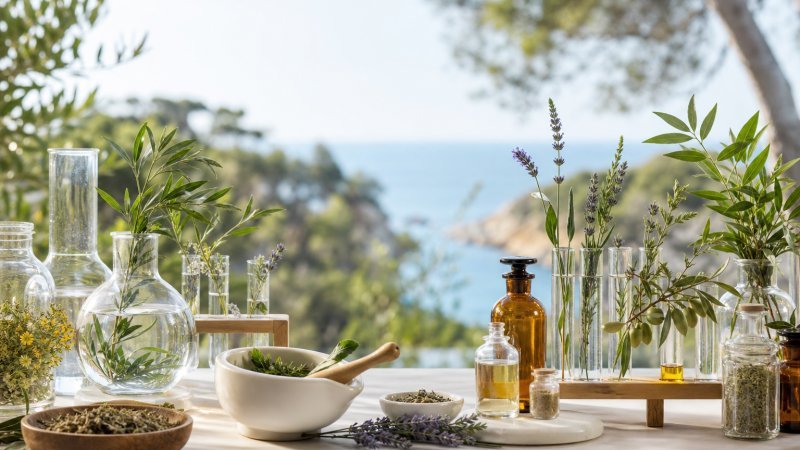
The warm, sunny Mediterranean climate has been home to an incredible diversity of medicinal plants for millennia. These plants are not only an integral part of the landscape, but are deeply rooted in the culture and tradition of the civilisations that have flourished in this region. Since ancient times, cultures such as the Greek, Roman and Egyptian have used various herbs for medicine and cooking, based on knowledge passed down through generations.
The works of Dioscorides, a first-century Greek physician, document many of these Mediterranean plants, describing their medicinal uses. Avicenna, an influential Persian physician, also mentioned these herbs in his remarkable work “The Canon of Medicine”. Today, science continues to explore the benefits of these plants, seeking to validate and extend this traditional knowledge through modern research. In this sense, the dialogue between tradition and modern science enriches our understanding and use of these precious natural resources.
Rosmarinic Acid, Linalool and Thymol: The Compounds that Make These Plants Unique
Mediterranean plants often contain a variety of active compounds that contribute to their beneficial effects. For example, oregano is loaded with phenolic compounds such as carvacrol and thymol, known for their antimicrobial properties. These compounds can help combat infections by inhibiting the growth of harmful bacteria.
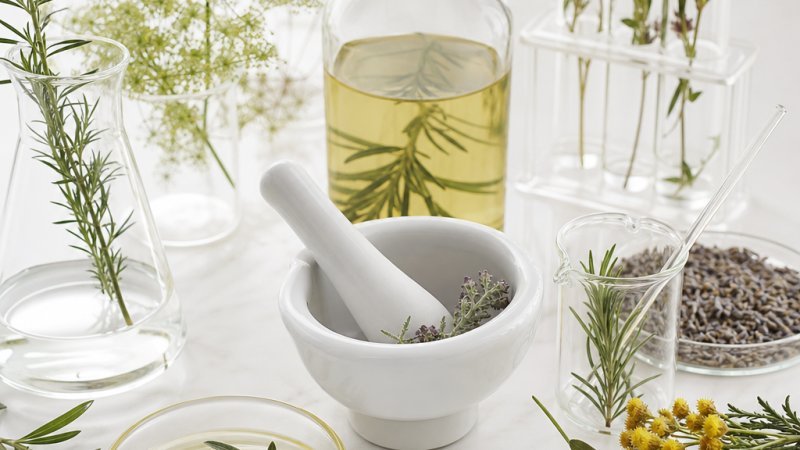
Rosemary, another popular plant, is packed with rosmarinic acid, a powerful antioxidant. This compound can help combat oxidative stress, a factor involved in aging and various chronic diseases. Meanwhile, thyme contains thymol, similar to oregano, which has antiseptic effects, making it useful in treating respiratory conditions.
Understanding these components helps us appreciate how plants and their extracts can influence health. Not only is it fascinating from a scientific point of view, but also practical for those who wish to benefit safely from these herbs.
What Science Confirms about the Aromatic Plants of Southern Europe
Modern research has delved into the efficacy of these Mediterranean plants. A study by Kokkini and Bosabalidis (1999) in the Journal of Ethnopharmacology highlights the antimicrobial potential of oregano through laboratory tests. Similarly, work reviewed by Figueiredo et al. (2008) in the Journal of Agricultural and Food Chemistry proves the antioxidant properties of rosemary through chemical assays.
In the context of systematic reviews, studies compiled by the Cochrane Library demonstrate that thyme extracts have shown promising results in the relief of respiratory symptoms in controlled trials. These findings not only support traditional use, but also support modern therapeutic applications.
Furthermore, EMA assessments underline the safety and efficacy of these extracts when used at appropriate doses, offering a solid foundation for their continued use in both traditional and modern medicine.
How to Incorporate Mediterranean Botanicals into Your Kitchen and Wellbeing
To incorporate these plants into your routine, oregano can be consumed as an infusion. Simply add a teaspoon of dried leaves to a cup of hot water and leave to steep for 10 minutes. This infusion can be taken up to three times a day.
Rosemary can also be prepared as an infusion to take advantage of its antioxidant properties. Use a teaspoon of dried leaves per cup of water and leave to infuse for 5 to 7 minutes. Adding fresh leaves to meals is another excellent way to take advantage of its benefits.
For thyme, a natural mouthwash can be prepared by boiling some sprigs in water and leaving them to cool. Regular rinses are recommended to maintain oral health. Always consult safety guidelines before changing or starting the use of herbal supplements.
Rosemary, Thyme and Pregnancy: What You Need to Know Before Using Them
Although these plants are generally safe, certain precautions must be taken. For example, pregnant women should avoid excessive use of these herbs, especially as essential oil, due to their potent effects.
Caution should also be taken in people allergic to plants of the same family (such as Lamiaceae). Although usual herbal doses in cooking are safe, concentrated supplements should be used with medical supervision, especially in pre-existing conditions. It is always advisable to consult a health professional before starting any herbal treatment.
From Provence to Andalusia: The Role of Herbs in Mediterranean Culture
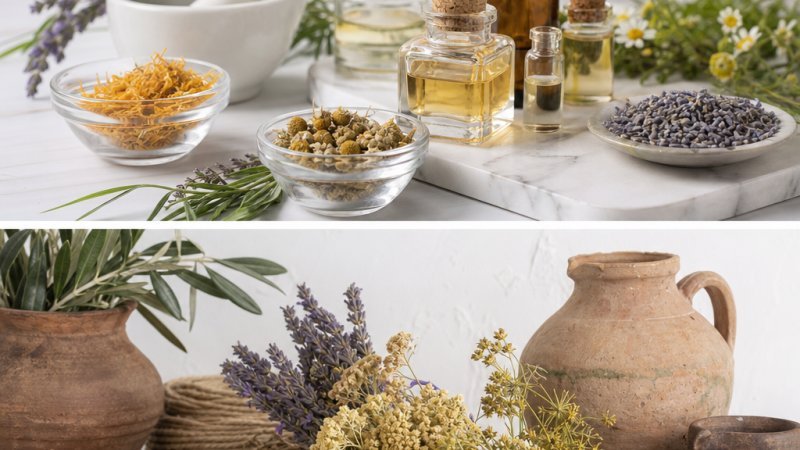
These herbs have a special place in traditional Mediterranean medicine. In the texts of Tibb al-Nabawi (Prophetic Medicine), thyme is mentioned for respiratory problems. Similarly, in Greek tradition, rosemary has been an integral part of both rituals and folk medicine.
Oregano is not only used for its healing properties, but is also an essential ingredient in Mediterranean cuisine. In Morocco, the traditional use of these plants stands out in the preparation of “tajines” and “couscous”, where their flavors and health benefits are harnessed. The rich tradition of using these herbs in various cultures offers us different perspectives for making the most of their properties.
Frequently Asked Questions about Mediterranean Botanicals
Can I combine several Mediterranean herbs in a single infusion? Yes, combining herbs such as rosemary and thyme in an infusion can enhance their benefits. However, make sure you know your allergies and tolerances.
What are the best ways to preserve rosemary? Ideally, dry the leaves and store them in a dark, dry place. They can also be frozen to preserve their properties.
How can oregano help the immune system? Oregano has antimicrobial properties that can help combat infections, strengthening the immune system.
Is it safe to consume rosemary during pregnancy? It is recommended to avoid concentrated use of rosemary during pregnancy. Always consult a doctor.
Is thyme effective against the common cold? Yes, the antiseptic properties of thyme can relieve cold symptoms, especially as an infusion or in steam inhalation.
Conclusion
Mediterranean plants offer an amazing variety of benefits, supported by both tradition and modern science. Incorporating them into our daily lives can improve our health and wellbeing naturally. Remember that it is always essential to consult a health professional before starting any herbal therapy. Enjoy exploring these natural wonders this summer, safely and with knowledge.
References and Further Reading
Gallego MG, et al. (2013). Antioxidant properties of three aromatic herbs (rosemary, thyme and lavender) in oil-in-water emulsions. J Am Oil Chem Soc. 90:1559-68. DOI: 10.1007/s11746-013-2303-3
Borges RS, et al. (2022). A focused insight into thyme: biological, chemical and therapeutic properties of an indigenous Mediterranean herb. Nutrients.PMC9147557
EMA HMPC (2016). Community herbal monograph on Rosmarinus officinalis L., folium et flos. European Medicines Agency. EMA Monograph
EMA HMPC (2014). Community herbal monograph on Lavandula angustifolia Mill., flos. European Medicines Agency. EMA Monograph
Learn how to make a functional granita tea at home. Discover recipes, health benefits, preparation tips and cultural variants for this refreshing summer drink.
Can you drink tea while fasting? Discover which infusions support intermittent fasting, their scientific evidence, safety precautions and myths vs reality.
Discover lechuguilla, the strawberry tree and St John’s wort — Spanish native plants with surprising medicinal properties, scientific evidence, safety precautions and integration tips.
Compare traditional horchata and cold infusions in the battle of Spanish natural drinks. Nutritional profiles, science, preparation tips and cultural roots explored.
Make tea the star of your Saturday wellbeing ritual. Antioxidants, L-theanine, preparation tips, cultural traditions and science-backed benefits for a mindful weekend.
Discover how lavender, passionflower and valerian improve sleep quality on hot nights. Scientific evidence, preparation tips, safety precautions and cultural traditions.
Build your perfect travel infusion kit for summer. Digestive, relaxing and refreshing teas — scientific evidence, preparation tips, cultural traditions and practical advice.
Explore adaptogen teas — ginseng, ashwagandha, rhodiola — their active compounds, scientific evidence, preparation tips and cultural origins. A guide to choosing well.
We use our own cookies to keep the shop working (language, basket and checkout), to measure anonymously how the site is used, and to know which channel brought you here. We do not use advertising or profiling, and we do not share this data with third parties.
Functional
Always active
This technical storage is strictly necessary for the site to work: keeping your language, your basket and your checkout session. Without it you cannot complete an order.
Preferences
The technical storage or access is necessary for the legitimate purpose of storing preferences that are not requested by the subscriber or user.
Statistics
Our own anonymous measurement of page views and visits, so we can understand which content is useful. It is not shared with anyone and is not used to build profiles.The technical storage or access that is used exclusively for anonymous statistical purposes. Without a subpoena, voluntary compliance on the part of your Internet Service Provider, or additional records from a third party, information stored or retrieved for this purpose alone cannot usually be used to identify you.
Order attribution
Records which channel brought you to the shop (a search engine, a link or a campaign) so an order can be attributed to its source. It is not used for advertising or commercial profiling.