Horchata vs Cold Infusion: The Great Battle of Spanish Natural Drinks
Almate
June 17th, 2026
No Comments
5 mins read
Share this article
Two Drinks, Two Traditions: The Long History of Horchata and Cold Infusion in Spain
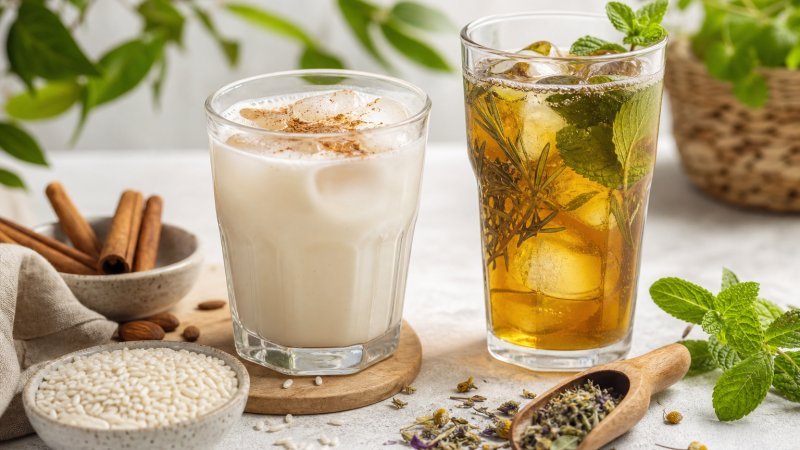
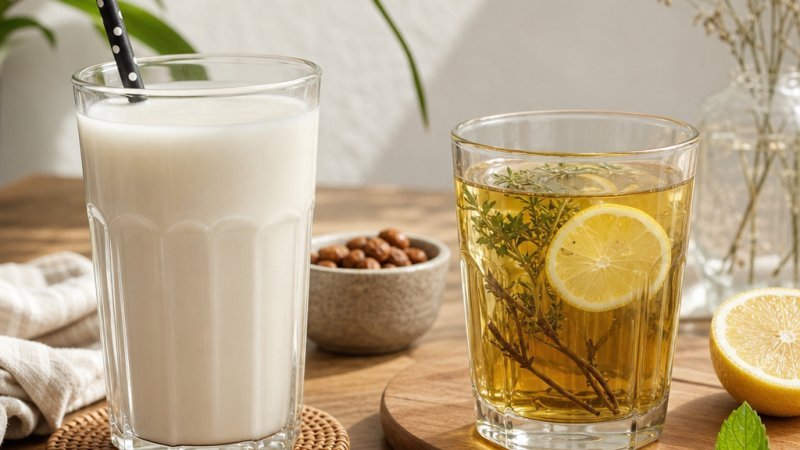
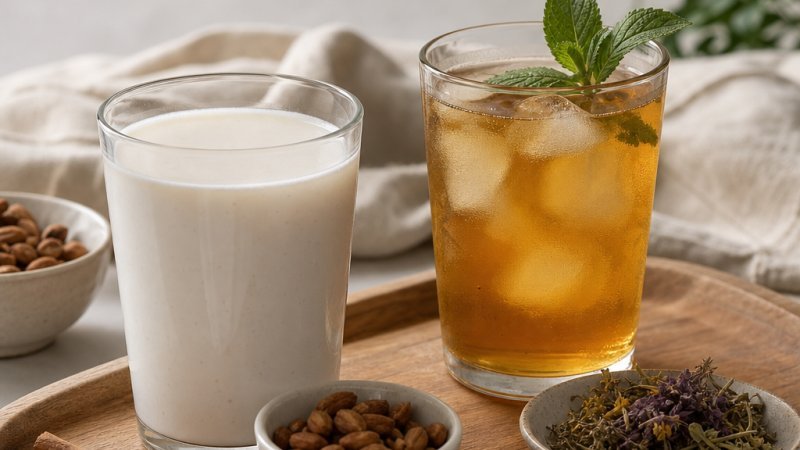
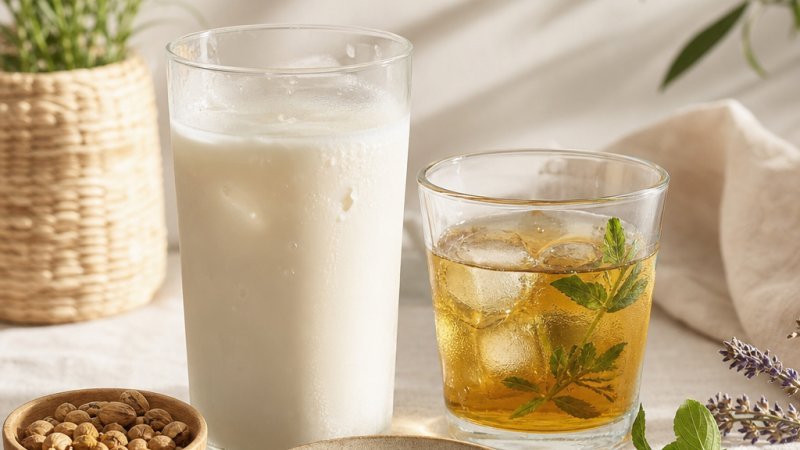
In the battle of natural drinks, two contenders stand out: traditional horchata and cold infusion. Horchata, of Spanish origin, has roots in the Mediterranean, especially in the Valencian Community. Historically made from tiger nuts or almonds, its sweet flavour is a summer favourite. Cold infusions, on the other hand, have grown in popularity as a healthy alternative to sugary drinks. Learn more about drinks culture on our blog.
Horchata is popular not only for its flavour but also for its cultural value. Cold infusions, prepared with various teas and herbs, capitalise on the benefits of natural ingredients and are appreciated for their diversity of flavours. Both represent the rich culture of Spanish drinks, offering delicious and healthy options for different tastes and needs.
Phosphorus, Starch and Polyphenols: What Each Drink Contributes Separately
AdvertisementYour AdSense code will appear here
Traditional horchata is rich in starches, healthy fats and antioxidants from tiger nuts. These components make it good for the digestive system and heart health. Furthermore, for those seeking healthy alternatives, it is caffeine-free and low in cholesterol.
Cold summer infusions offer a wide range of nutrients depending on the herbs used. Ingredients such as hibiscus are known for their antioxidant properties, while green tea contains catechins that can support metabolism. This diversity allows each infusion to be personalised to your specific preferences and nutritional needs.
Who Wins the Nutritional Battle? What Studies Say about Horchata and Infusion
Numerous studies support the benefits of both drinks. According to Chevallier (2016), tiger nut horchata has anti-inflammatory properties beneficial for those with chronic inflammatory conditions. For cold infusions, a study by Khan et al. (2006) in the Journal of Nutrition highlights the antioxidant benefits of green tea, suggesting its role in cardiovascular health.
Furthermore, the natural components of these drinks have been evaluated by institutions such as the EMA, which recognise their scientifically evidenced benefits. This evidence strengthens their use not only as a refreshing option but also as part of a healthy lifestyle.
When to Order Horchata and When Cold Infusion? Your Guide for the Spanish Summer
AdvertisementYour AdSense code will appear here
To enjoy horchata, it is recommended to consume it cold, especially during the hot months. You can prepare it from scratch using soaked tiger nuts, sugar and cinnamon. This drink is best consumed fresh, so try making small amounts if preparing it at home.
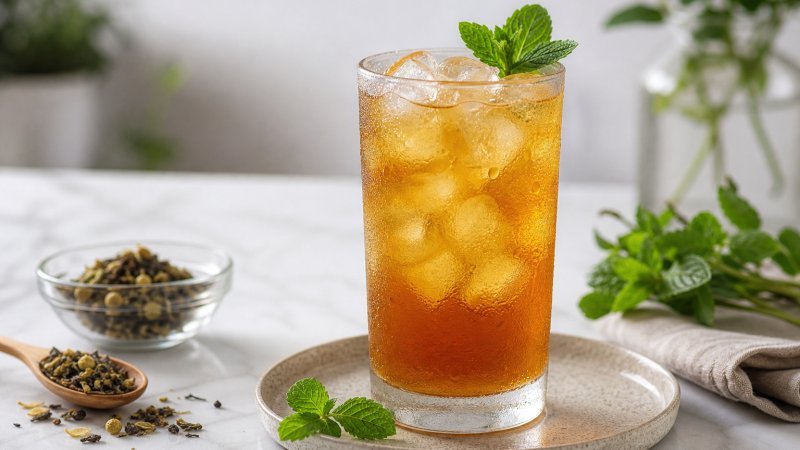
Cold infusions are a versatile option. You can prepare a cold infusion by steeping your favourite herbs, such as mint or black tea, in cold water for at least 12 hours. This method allows the herbs to slowly release their essential oils, enriching both flavour and benefits.
Horchata Allergens and Precautions for Concentrated Infusions
Although both horchata and cold infusions are safe for most people, there are considerations to bear in mind. People with tiger nut allergies should avoid horchata. For those with diabetes, it is important to control the amount of sugar used in its preparation.
For cold infusions, some herbs can interact with medications. Liquorice, for example, can raise blood pressure. Consult a health professional if you are taking medications or are pregnant before introducing these drinks into your regular diet.
From the Valencian Albufera to the Moroccan Teapot: Two Drinks with Deep Roots
AdvertisementYour AdSense code will appear here
Horchata has been a pillar of Spanish drinks culture for centuries. It is considered a revitalising drink, especially for quenching thirst in hot summers. In local communities, it is still celebrated as part of festivities and cultural events.
Cold infusions, while more modern in popularity, have roots in the practice of preparing herbal teas. Cultures worldwide have used herbs as part of their traditional remedies, and these practices are now being rediscovered and appreciated by new generations.
Frequently Asked Questions
What is horchata and where does it come from? Horchata is a refreshing drink originating from Valencia, Spain. It is traditionally made from tiger nuts, although it can also be made with almonds or rice.
What are the benefits of cold infusion? Cold infusions, depending on the herbs used, can offer antioxidant properties, digestive support and calming effects.
Is horchata good for summer? Yes, horchata is perfect for summer thanks to its refreshing capacity and sweet, mild flavour.
How is a cold infusion prepared? It is prepared by steeping herbs in cold water for several hours or overnight, allowing them to release their essences without heat.
Which drink is more popular in Spain in the battle of natural drinks? Both have their popularity, but horchata is deeply traditional, especially in the Valencian Community.
Conclusion
The battle of natural drinks between horchata and cold infusion reveals two delicious and healthy options to enjoy. Both offer flavour and potential health benefits. Consider your personal preferences and dietary needs, and consult a health professional before making significant changes to your diet. Enjoy these drinks responsibly!
References and Further Reading
Gamboa-Santos J, et al. (2013). Physicochemical characterisation and nutritional aspects of tiger nut (Cyperus esculentus L.) and tiger nut flour. J Sci Food Agric. 93(14):3504-12. DOI: 10.1002/jsfa.6180
Serban C, et al. (2015). Effect of sour tea (Hibiscus sabdariffa L.) on arterial hypertension: a systematic review and meta-analysis. J Hypertens. 33(6):1119-27. DOI: 10.1097/HJH.0000000000000585
Kuriyama S, et al. (2006). Green tea consumption and mortality due to cardiovascular disease, cancer, and all causes in Japan. JAMA. 296(10):1255-65. DOI: 10.1001/jama.296.10.1255
Mandalari G, et al. (2013). Tiger nut cyperus esculentus is a functional food with prebiotic potential. Food Sci Technol Int. 19(3):225-33. DOI: 10.1177/1082013212452148
Learn how to make a functional granita tea at home. Discover recipes, health benefits, preparation tips and cultural variants for this refreshing summer drink.
Can you drink tea while fasting? Discover which infusions support intermittent fasting, their scientific evidence, safety precautions and myths vs reality.
Discover lechuguilla, the strawberry tree and St John’s wort — Spanish native plants with surprising medicinal properties, scientific evidence, safety precautions and integration tips.
Compare traditional horchata and cold infusions in the battle of Spanish natural drinks. Nutritional profiles, science, preparation tips and cultural roots explored.
Make tea the star of your Saturday wellbeing ritual. Antioxidants, L-theanine, preparation tips, cultural traditions and science-backed benefits for a mindful weekend.
Discover how lavender, passionflower and valerian improve sleep quality on hot nights. Scientific evidence, preparation tips, safety precautions and cultural traditions.
Build your perfect travel infusion kit for summer. Digestive, relaxing and refreshing teas — scientific evidence, preparation tips, cultural traditions and practical advice.
Explore adaptogen teas — ginseng, ashwagandha, rhodiola — their active compounds, scientific evidence, preparation tips and cultural origins. A guide to choosing well.