Why Heat Ruins Sleep and What Plants Can Help You in Summer
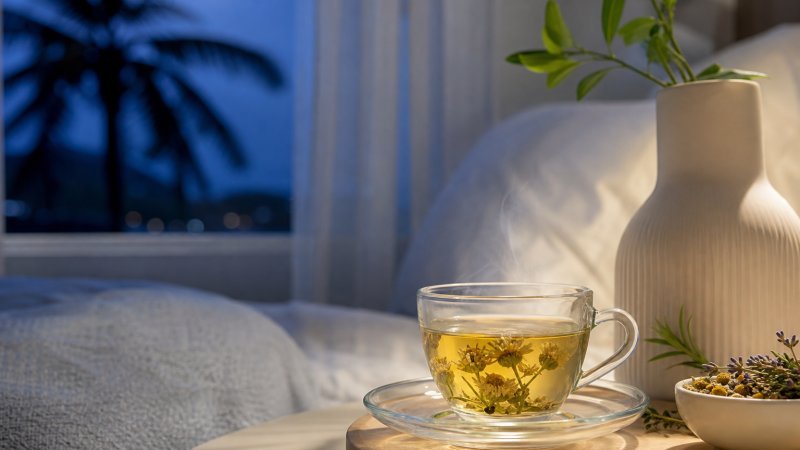
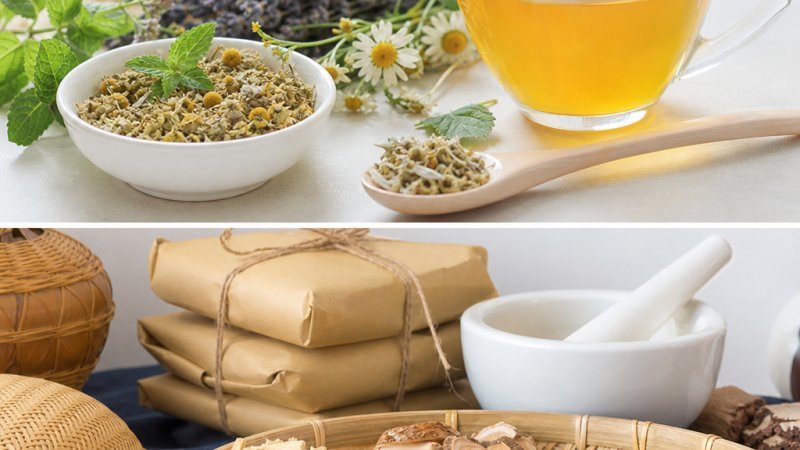
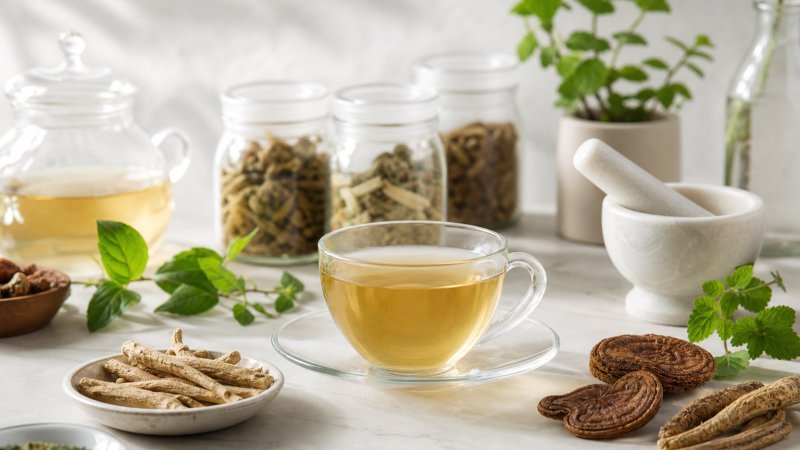
For centuries, infusions for better sleep on hot summer nights have been a popular solution for falling asleep, especially during hot summer nights. Traditions such as Ayurvedic medicine and traditional Chinese medicine have valued these drinks for their calming effects. In these cultures, chamomile tea and linden have been used to promote rest. Today, scientific studies support the use of some of these infusions for their relaxing components, which can help improve sleep quality.
Infusions for better sleep on hot summer nights are not only a historical practice, but are also supported by modern research. For example, a study found that chamomile contains apigenin, a compound that binds to certain brain receptors to reduce anxiety and induce sleep (PubMed: 23586711).
Apigenina, Linalool y Valerepótico: Los Activos Vegetales que Invitan al Sueño
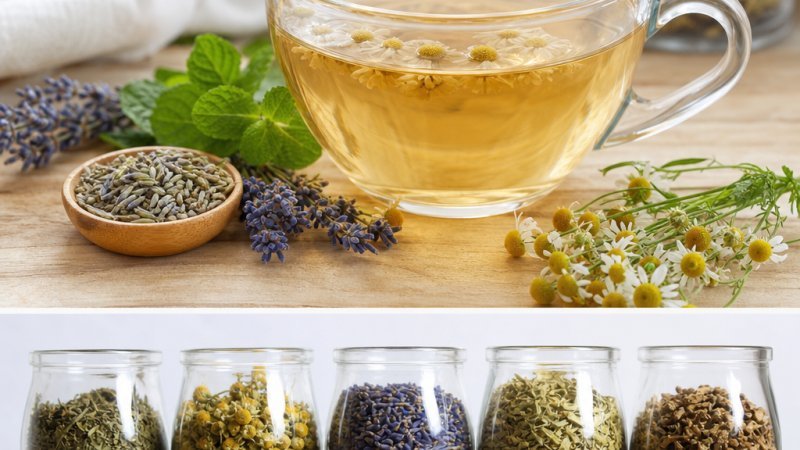
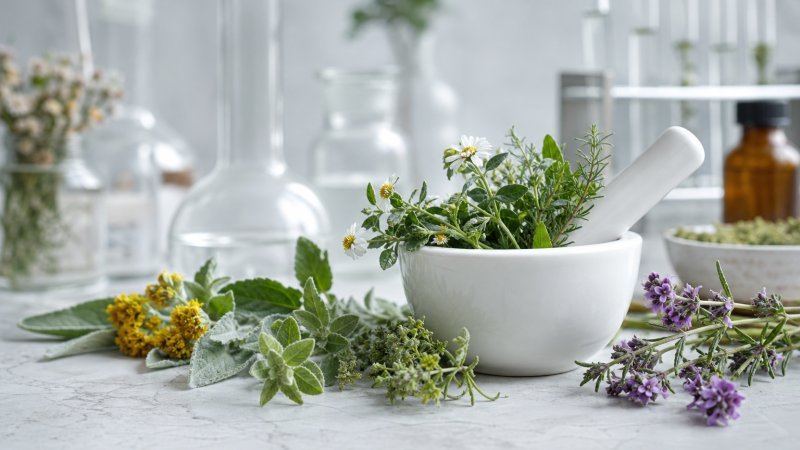
Sleep-improving infusions often contain herbs rich in active compounds. Chamomile, for example, has apigenin, a flavonoid that helps induce tranquility. Valerian contains valerianic acid, which is believed to increase production of the neurotransmitter GABA, promoting relaxation. These substances work to calm the nervous system and regulate sleep rhythm.
Lavender, another common ingredient, is rich in linalool, a component with anxiolytic effects. Lemon balm, also known as melissa, contains rosmarinic acid, which can relieve stress and promote deeper sleep.
What Science Demonstrates about Plants that Promote Sleep
Infusions have been the subject of several scientific studies. Valerian has been extensively analysed in clinical trials for its ability to improve sleep without the side effects of other sedatives (Bent et al., 2006, American Journal of Medicine, 119(12), 1005–1012). Evidence suggests that the combination of valerian and lemon balm can be especially effective for combating mild insomnia (EMA/529/2018).
The use of chamomile to improve sleep has also been confirmed in many studies, which highlight its safety and efficacy (WHO monographs on selected medicinal plants, 1999). These findings underline the value of infusions as a natural sleep aid. Discover other related traditions and habits in our culture section.
The Summer Night Routine: What to Take, When and at What Temperature
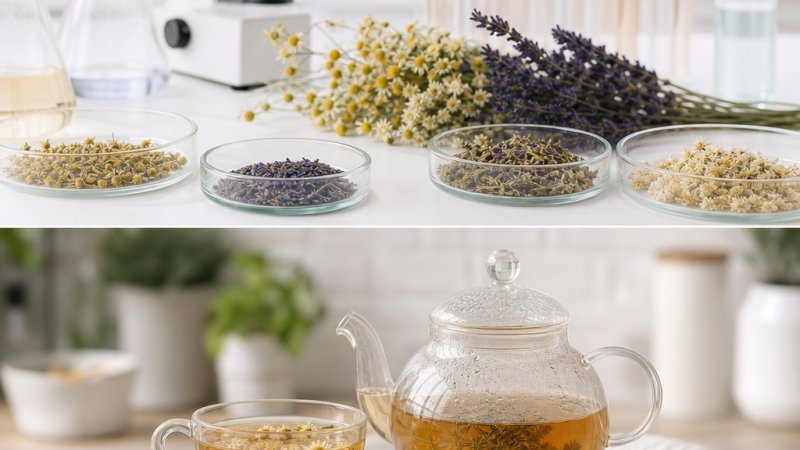
To maximise the benefits of infusions, prepare them correctly. For example, use one tablespoon of dried chamomile flowers per cup of boiling water, leaving it to steep for 10 minutes. Drinking this infusion approximately 30 minutes before sleep can enhance its relaxing effects.
If you prefer valerian, it is recommended to use it as a liquid extract following the manufacturer’s instructions, as concentrations may vary. It is crucial to remember that there are no standardised approved amounts for all herbs, so always consult a healthcare professional if in doubt.
Valerian and Sleep Medications: Precautions You Should Not Ignore
Although infusions are generally safe, some precautions are necessary. Pregnant or breastfeeding women should avoid valerian and chamomile, as there are limited data on their safety during these stages. If taking medications, it is essential to consult a doctor to avoid interactions.
Avoid these infusions if you have known allergies to plants of the daisy family, such as chamomile. Also, make sure to buy quality products to reduce the risk of contamination.
From Grandmother’s Linden Tea to Asia’s Nocturnal Tea Ritual
In traditional European medicine, chamomile was used for its calming properties. The writings of Hippocrates and Galen already mentioned its benefits. In Ayurvedic culture, lemon balm was used to balance energies and calm the mind, helping people cope with the summer heat.
In America, Native North American communities have used valerian to induce sleep and relieve pain, demonstrating ancestral knowledge that complements modern discoveries.
Preguntas Frecuentes sobre Infusions for Better Sleep on Hot Summer Nights
What infusions are best for sleeping in summer? Chamomile, valerian and lavender infusions are popular and effective options for improving sleep during summer.
How can the heat affect sleep? Heat can disrupt the sleep cycle, making it difficult to fall asleep. Infusions for better sleep on hot summer nights can help calm the nervous system.
Are there side effects from sleep infusions? In general, they are safe, but may cause drowsiness or allergic reactions in some people. Consult a doctor if you have concerns.
Are sleep infusions safe for children? Not all of them. Consult a paediatrician before giving infusions to a child, as doses and effects may vary.
How long does it take for a sleep infusion to take effect? Generally, effects can be felt within 30 minutes to one hour after ingestion.
Conclusion
Infusions for better sleep on hot summer nights offer a natural way to improve rest. These drinks combine traditional knowledge with current scientific evidence. Before incorporating them into your daily routine, remember to consult a healthcare professional to ensure they are right for you.
References and Further Reading
Srivastava JK, Shankar E, Gupta S (2010). Chamomile: A herbal medicine of the past with bright future. Mol Med Rep. 3(6):895-901. DOI: 10.3892/mmr.2010.377
Bent S, et al. (2006). Valerian for sleep: a systematic review and meta-analysis. Am J Med. 119(12):1005-12. DOI: 10.1016/j.amjmed.2006.02.026
Ngan A & Conduit R (2011). A double-blind, placebo-controlled investigation of the effects of Passiflora incarnata (passionflower) herbal tea on subjective sleep quality. Phytother Res. 25(8):1153-9. DOI: 10.1002/ptr.3400
Shakeri A, Sahebkar A, Javadi B (2016). Melissa officinalis L.: a review of its traditional uses, phytochemistry and pharmacology. J Ethnopharmacol. 188:204-28. DOI: 10.1016/j.jep.2016.05.010
EMA HMPC (2013). Community herbal monograph on Lavandula angustifolia Mill., flos. European Medicines Agency. EMA Monograph
Learn how to make a functional granita tea at home. Discover recipes, health benefits, preparation tips and cultural variants for this refreshing summer drink.
Can you drink tea while fasting? Discover which infusions support intermittent fasting, their scientific evidence, safety precautions and myths vs reality.
Discover lechuguilla, the strawberry tree and St John’s wort — Spanish native plants with surprising medicinal properties, scientific evidence, safety precautions and integration tips.
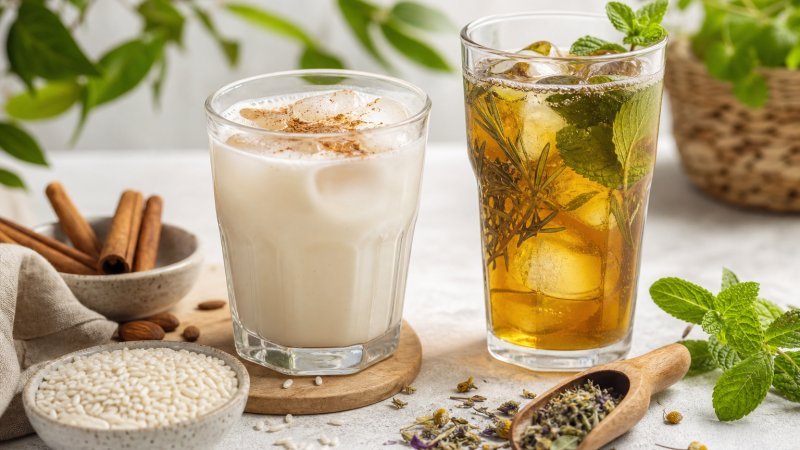
Compare traditional horchata and cold infusions in the battle of Spanish natural drinks. Nutritional profiles, science, preparation tips and cultural roots explored.
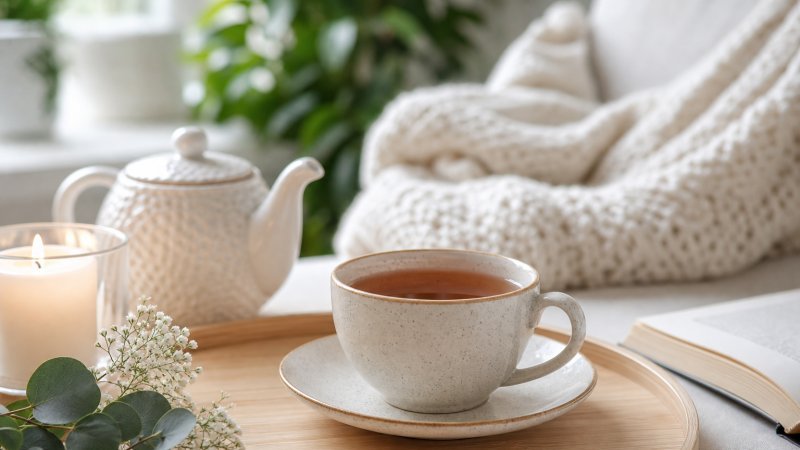
Make tea the star of your Saturday wellbeing ritual. Antioxidants, L-theanine, preparation tips, cultural traditions and science-backed benefits for a mindful weekend.
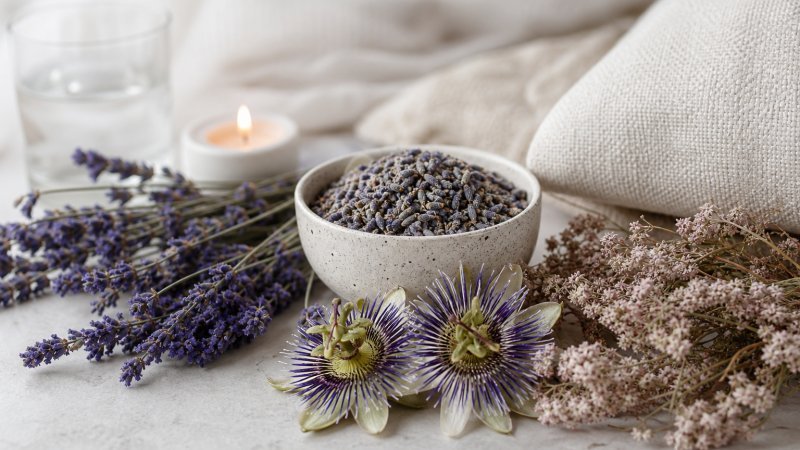
Discover how lavender, passionflower and valerian improve sleep quality on hot nights. Scientific evidence, preparation tips, safety precautions and cultural traditions.
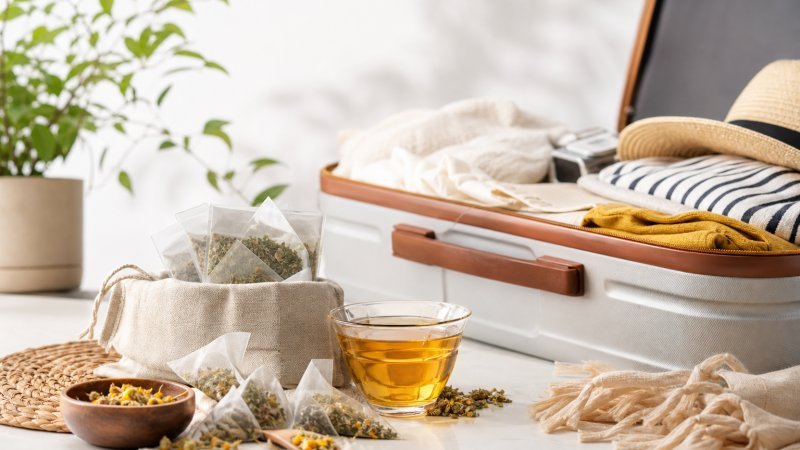
Build your perfect travel infusion kit for summer. Digestive, relaxing and refreshing teas — scientific evidence, preparation tips, cultural traditions and practical advice.
Explore adaptogen teas — ginseng, ashwagandha, rhodiola — their active compounds, scientific evidence, preparation tips and cultural origins. A guide to choosing well.
We use our own cookies to keep the shop working (language, basket and checkout), to measure anonymously how the site is used, and to know which channel brought you here. We do not use advertising or profiling, and we do not share this data with third parties.
Functional
Always active
This technical storage is strictly necessary for the site to work: keeping your language, your basket and your checkout session. Without it you cannot complete an order.
Preferences
The technical storage or access is necessary for the legitimate purpose of storing preferences that are not requested by the subscriber or user.
Statistics
Our own anonymous measurement of page views and visits, so we can understand which content is useful. It is not shared with anyone and is not used to build profiles.The technical storage or access that is used exclusively for anonymous statistical purposes. Without a subpoena, voluntary compliance on the part of your Internet Service Provider, or additional records from a third party, information stored or retrieved for this purpose alone cannot usually be used to identify you.
Order attribution
Records which channel brought you to the shop (a search engine, a link or a campaign) so an order can be attributed to its source. It is not used for advertising or commercial profiling.